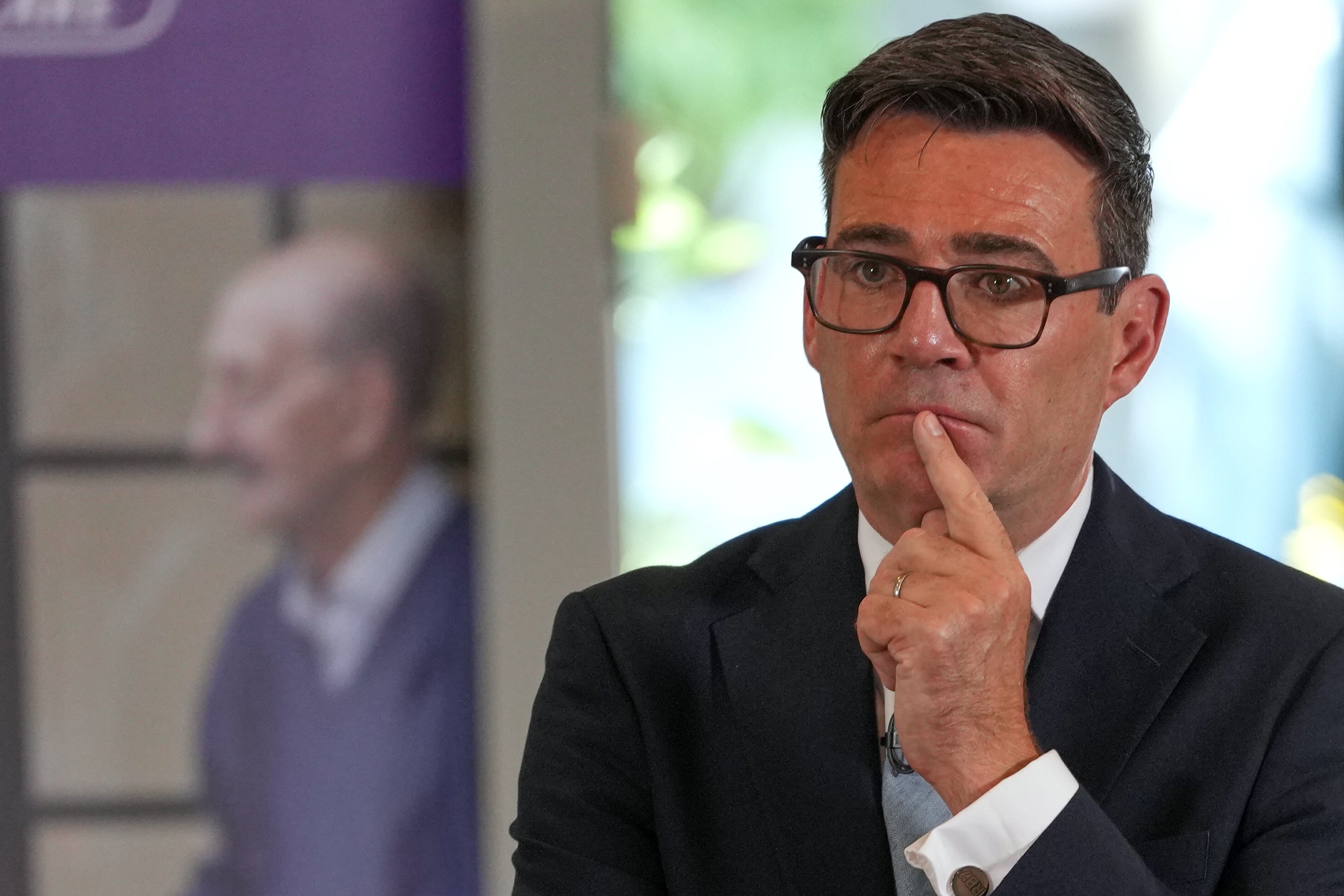
- Farmers are warning of shortages as Tesco and Sainsbury's call on Andy Burnham to prioritize food security amid rising prices.
- Over 100 organizations have urged the new Prime Minister to make food a national priority alongside defense and energy.
- The letter highlights that Britain's food system has suffered repeated shocks in recent years, leading to higher food prices.
- Food prices in the UK are forecasted to be 50% higher by November compared to levels at the start of the cost-of-living crisis in mid-2021.
- British production of fruit and vegetables has fallen 16% since 2015, with the UK now importing 78% of its supply.
- The next food shock is anticipated, with experts stating it is not a question of if, but when.
- Food insecurity is already affecting 15% of households with children, highlighting the urgency of the situation.
- Poor diet, especially among children, is cited as one of the biggest challenges facing the UK today.
- Anna Taylor, executive director of The Food Foundation, stated that the UK food system is dangerously exposed to shocks beyond its borders.
Food industry leaders are calling on UK Prime Minister Andy Burnham to prioritize food security amid rising prices and shortages. A letter signed by over 100 organizations emphasizes the urgent need for a comprehensive food policy framework.123
The letter highlights that British production of fruit and vegetables has fallen by 16% since 2015, leading to a reliance on imports for 78% of the supply. Simon Roberts, chief executive of Sainsbury’s, noted, “Recent weeks have shown just how much pressure our food system is under.”7
Food insecurity is already impacting 15% of households with children, with the cost of inaction disproportionately affecting those with fewer resources. Richard Hall, Danone's vice president, stated, “Poor diet, especially amongst children, is one of the biggest challenges facing the UK today.”910
The letter warns that the UK food system is “dangerously exposed to shocks far beyond our borders,” with rising costs and climate change pressures contributing to escalating food prices. Research indicates that food prices are forecast to be 50% higher by November than at the start of the cost-of-living crisis in 2021.11
The proposed legislation aims to create a legal framework for food policy, targeting reductions in childhood obesity, increased fruit and vegetable consumption, and enhanced domestic production to combat household food insecurity. The next food shock is not a question of if, but when, and food must stop being an afterthought for the government.8
“Food prices in the UK are projected to be 50% higher by November compared to mid-2021 levels, exacerbating food insecurity affecting 15% of households with children. Leaders emphasize that the UK food system is dangerously exposed to shocks, necessitating a legal framework for food policy to address these challenges.”
 The Independent



