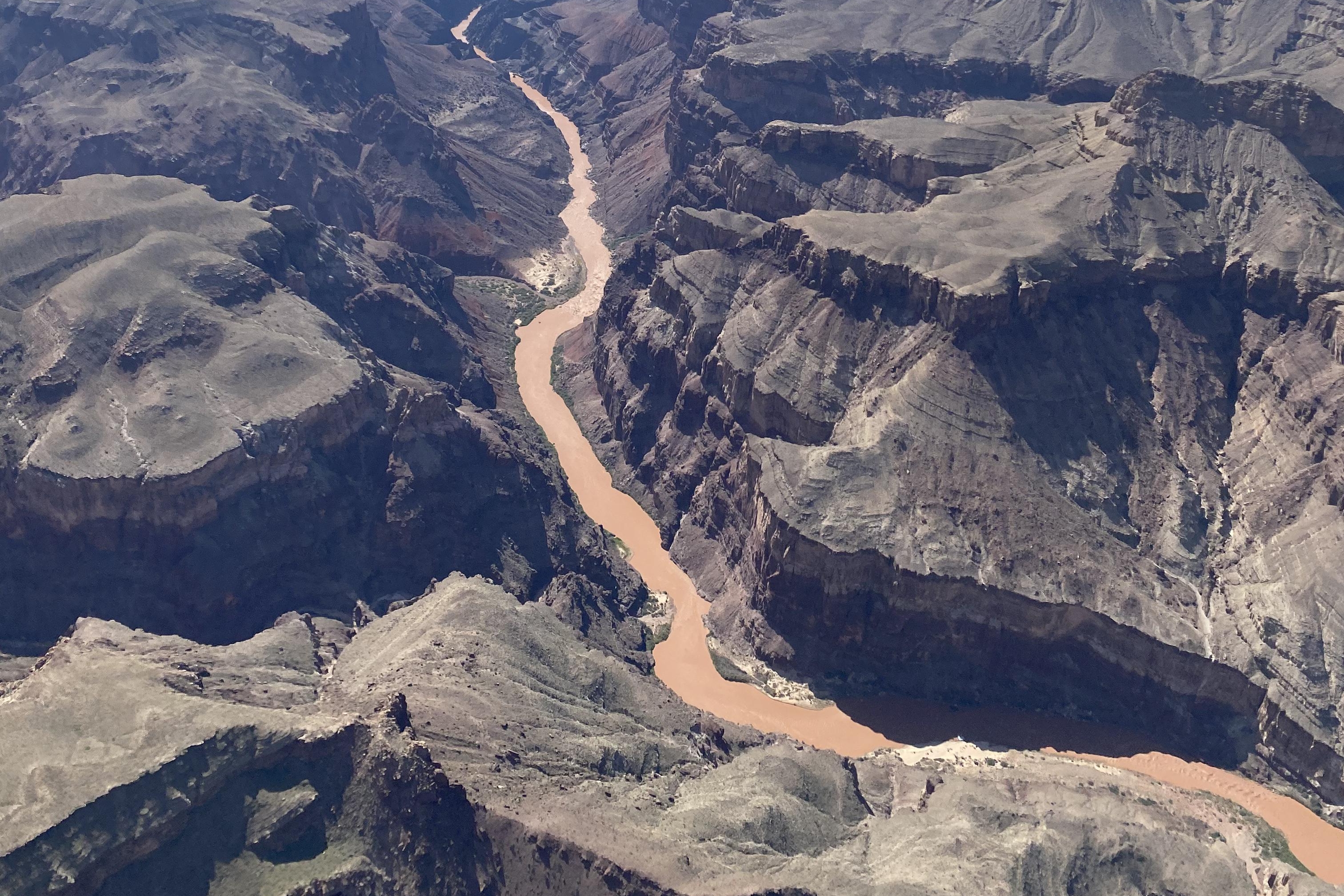
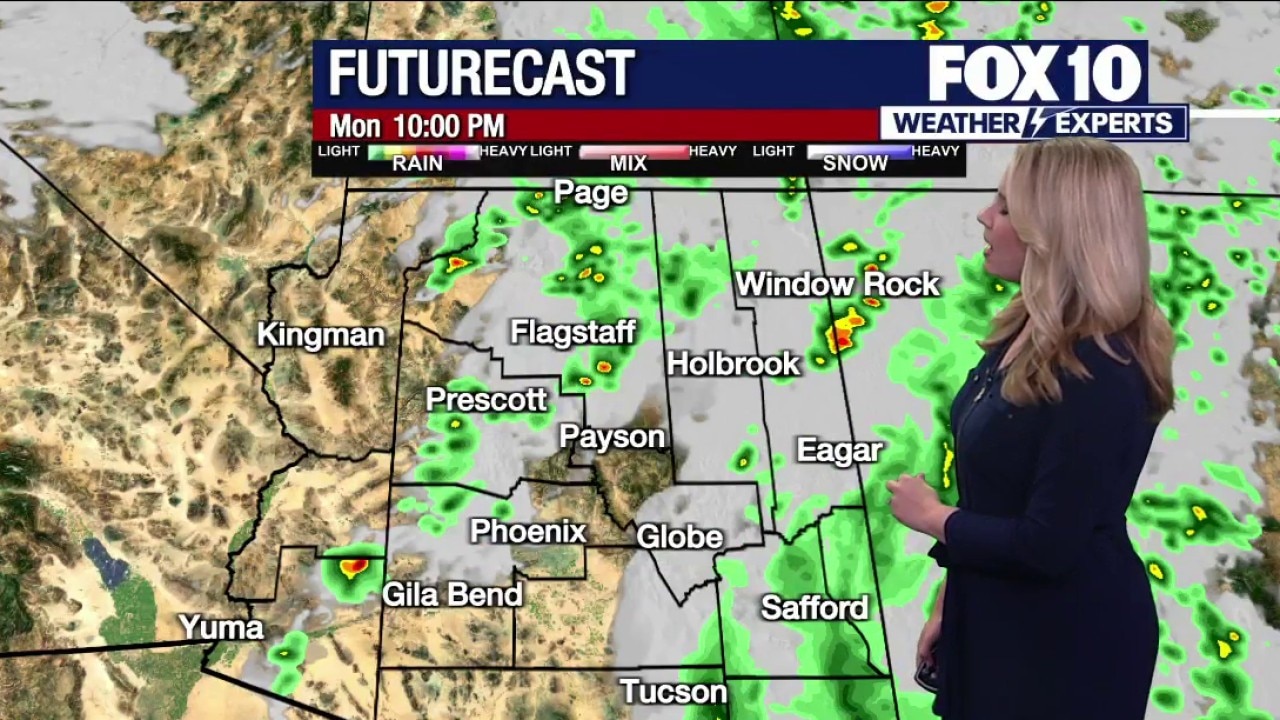
- The weekend flash flooding caused major damage to the Grand Canyon's critical water pipeline, which is the sole source of water for millions of visitors.
- One hiker died and two remain missing after the flash floods, prompting a search-and-rescue operation.
- Park officials reported that roughly 40% of the pipeline was damaged or destroyed due to the flooding.
- The park has halted overnight accommodations and is urging visitors to implement significant water reductions on the South Rim.
- The flooding has forced parts of the park to close, and additional flooding was possible Monday, according to the National Park Service.
- The 12.5-mile (20-kilometer) long pipeline, finished in the 1970s, has broken more than 85 times since 2010.
- A more than $200 million repair and replacement project was underway when the floods hit, which began in 2023 and took over a decade to design and fund.
- The pipeline upgrade project involves installing helicopter pads, building water treatment facilities, and replacing several miles of pipeline, as well as moving the water intake further down the canyon to Bright Angel Creek.
- The three men entered the Grand Canyon on Friday and hiked to Bright Angel Campground, planning to spend two nights exploring trails and fishing before moving on to Havasupai Gardens.
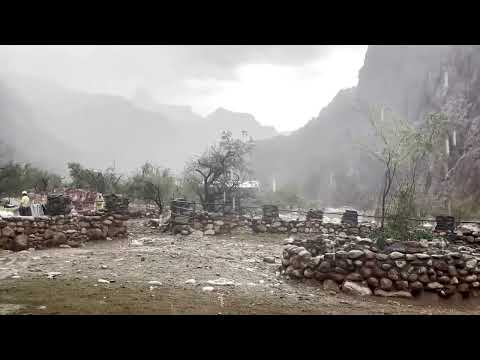
Flash floods in the Grand Canyon have wreaked havoc, damaging a critical water pipeline and leading to the death of a hiker while two others remain missing. The flooding, caused by heavy rain, resulted in the evacuation of over 60 people and significant infrastructure damage.
Park officials reported that approximately 40% of the pipeline was either damaged or destroyed, complicating ongoing repair efforts. The pipeline, which supplies water to millions of visitors, has faced numerous breaks in recent years, with over 85 breaks since 2010. A $200 million repair project was already underway when the floods struck, further complicating the situation.6789

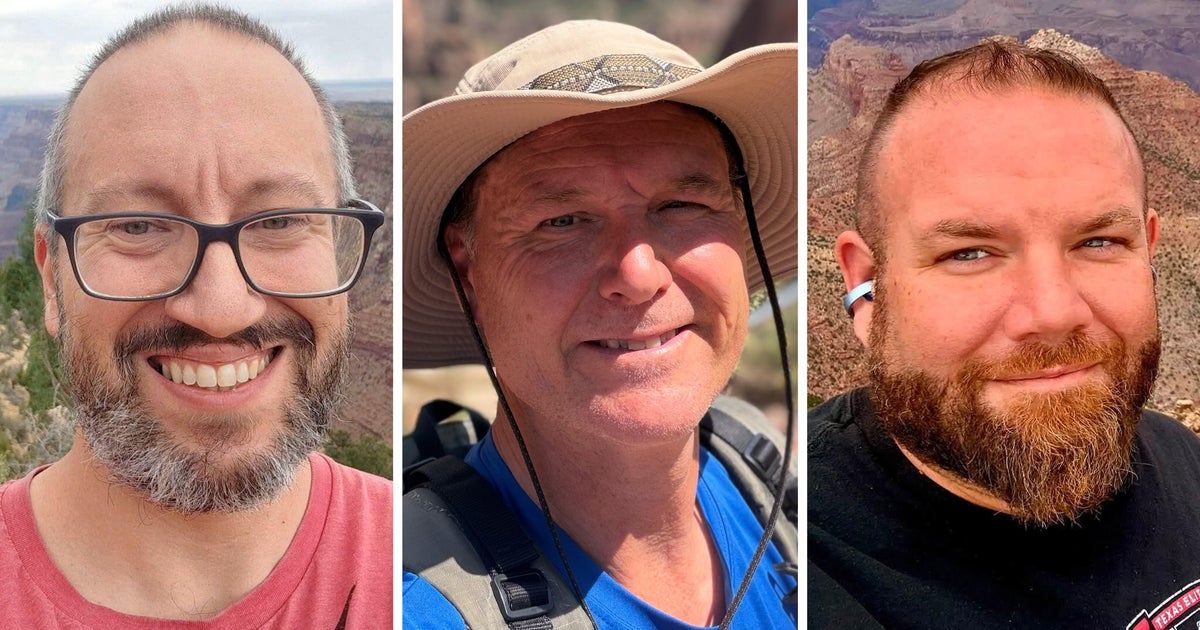
The hiker who died was identified as Dr. John Giusti, a 46-year-old chiropractor from Texas. His companions, Brent Rosenkranz and Timothy Allen Smith, are among the roughly 15 people still missing. Their families expressed gratitude for the search-and-rescue efforts and requested continued prayers for their loved ones.
In response to the crisis, the park has halted overnight accommodations and is urging visitors to conserve water by taking short showers and turning off taps while brushing teeth. The National Park Service has warned of potential additional flooding, prompting further closures within the park.5
The flooding has been described as unprecedented, with the Grand Canyon receiving nearly half a year's worth of rain in just two days, hampering rescue efforts and prompting urgent calls for assistance from the community.
“Park officials said roughly 40% of the pipeline was damaged or destroyed, and the 12.5-mile line has broken more than 85 times since 2010. The $200 million upgrade project, begun in 2023, was underway when the floods hit, complicating repairs.”


 CBS News