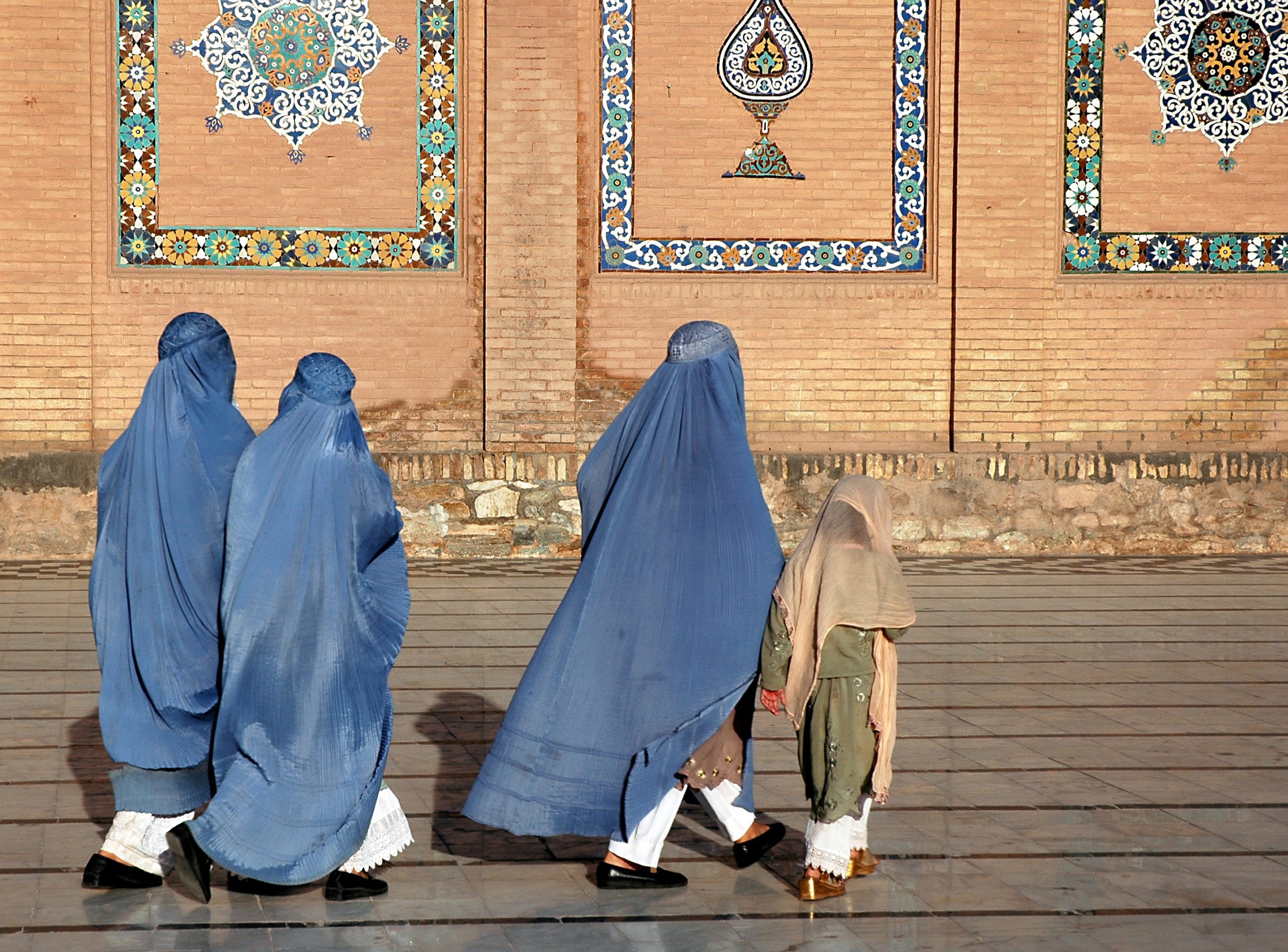
- In the five years since the chaotic US withdrawal from Kabul, Afghanistan has become home to one of the world’s worst human rights and humanitarian emergencies.
- Humanitarian aid to Afghanistan has been dramatically cut by international donors since the Taliban returned to power, with women and girls bearing the brunt of those cuts.
- The United States, once the top provider of assistance to Afghanistan, no longer ranks in the top five of donor nations.
- The Taliban's governance has been described as gender apartheid, systematically stripping women of their rights and agency.
- Afghanistan is now the only country on earth where girls are banned from attending school past sixth grade.
- The ban on poppy cultivation in 2022 has led to a 95% drop in illicit drug production, but it has also wiped out a crop that provided a large share of rural income.
- In 2025, the US State Department removed its multi-million-dollar bounties for several Taliban leaders.
- China appointed an ambassador to the Taliban government in December 2023, deepening its economic ties with Afghanistan.
- Five years on, the promises that once sought to justify two decades of American intervention have not just gone unfulfilled but have been actively undone.
- Women have been banned from most jobs, ordered to wear face coverings in public, and barred from traveling long distances without a male chaperone.
- UN Women reports that half of Afghan women now leave home only once or twice a month, leading to a mental health emergency.
- One in ten Afghan children are acutely malnourished, with more than eleven million projected to need humanitarian assistance this year.
- Overall humanitarian funding for Afghanistan has fallen nearly 70 percent since 2022.
- More than half of women-led organizations recently surveyed by the UN expect to close or suspend their operations within the next year due to funding cuts.
Five years after the Taliban's return to power, Afghanistan is grappling with one of the world's worst humanitarian crises. The situation has worsened significantly, with humanitarian aid cut by international donors, leaving approximately 45% of the population in dire need.2
Women and girls are particularly affected, facing severe restrictions under a regime described as 'gender apartheid.' John Sopko, former Special Inspector General for Afghanistan Reconstruction, stated, 'To be very blunt, it’s hell if you’re a woman in Afghanistan.' The Taliban's policies have erased women from public life, with many banned from education and employment.4
Currently, 2.4 million girls are excluded from school, and the United Nations Educational, Scientific and Cultural Organization (UNESCO) reports that Afghanistan is the only country where girls are banned from attending secondary school. UN Women highlights that half of Afghan women now leave home only once or twice a month, leading to a mental health crisis, with seven in ten women describing their mental health as 'bad' or 'very bad.'
Activist Mahbouba Seraj expressed her despair, stating, 'I cannot continue working this way because I haven’t been any help to any one of the Afghan women that needed me.' The international community's response has been inadequate, with the United States no longer among the top five donor nations, further exacerbating the crisis.3
“UN Women reports that 10.7 million Afghan women and girls depend on humanitarian aid, yet funding has fallen nearly 70% since 2022. Meanwhile, 2.4 million girls are excluded from school, and one in ten children are acutely malnourished, according to UNESCO and Save the Children.”