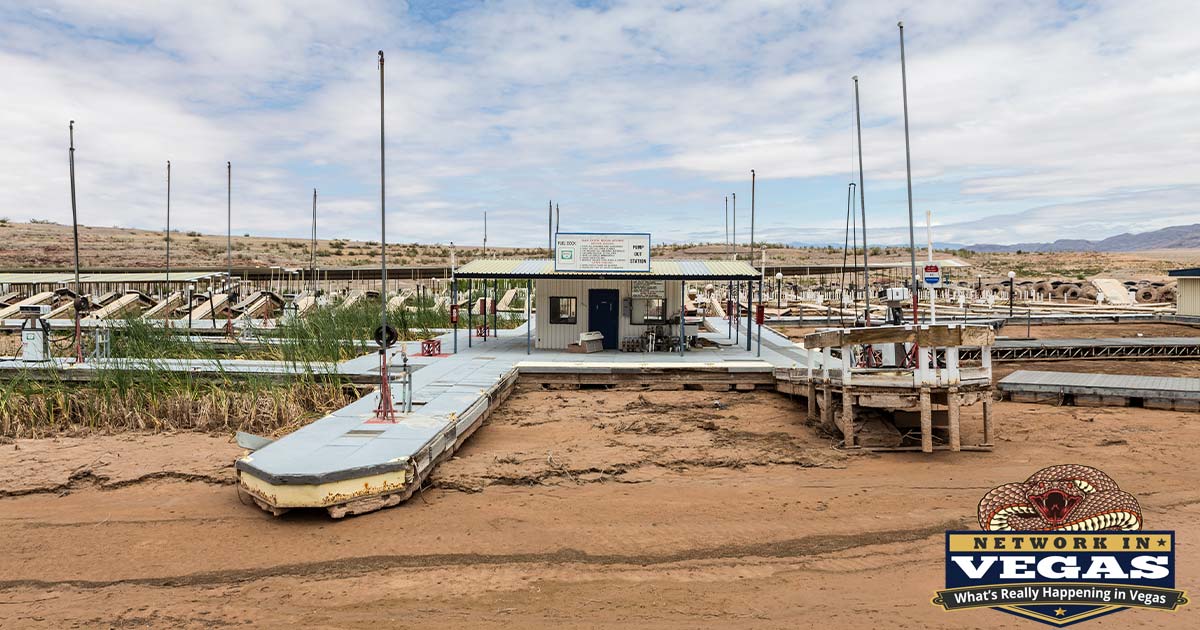
- The Federal government has ordered steep Colorado River water cuts for Arizona, California, and Nevada.
- Arizona will see the biggest cuts of 760,000 acre-feet, while upstream states (Colorado, Utah, Wyoming, New Mexico) face no cuts for now; Mexico will reduce intake by 250,000 acre-feet under a U.S.-Mexico treaty.
- Officials in Arizona, California, and Nevada expressed support for the plan, with Arizona's director noting it provides stability for 2027-2028, and California's negotiator calling it 'a bridge, not a permanent solution.'
Federal officials have mandated steep water cuts for Arizona, California, and Nevada, totaling 1.25 million acre-feet annually over the next two years, with Arizona facing the largest reduction of 760,000 acre-feet.
The cuts are part of a strategy to manage the Colorado River, which serves as a vital water source for approximately 35 million to 40 million people. The Department of the Interior (DOI) announced that California would see a reduction of 440,000 acre-feet and Nevada 50,000 acre-feet.
The DOI's guidelines also encourage the states to voluntarily conserve and store at least 700,000 acre-feet of water during this period. Secretary of the Interior Doug Burgum expressed gratitude for the collaboration among stakeholders, stating, “We are grateful for the Seven Basin States, the thirty Basin Tribes, Mexico, and many other basin stakeholders...”
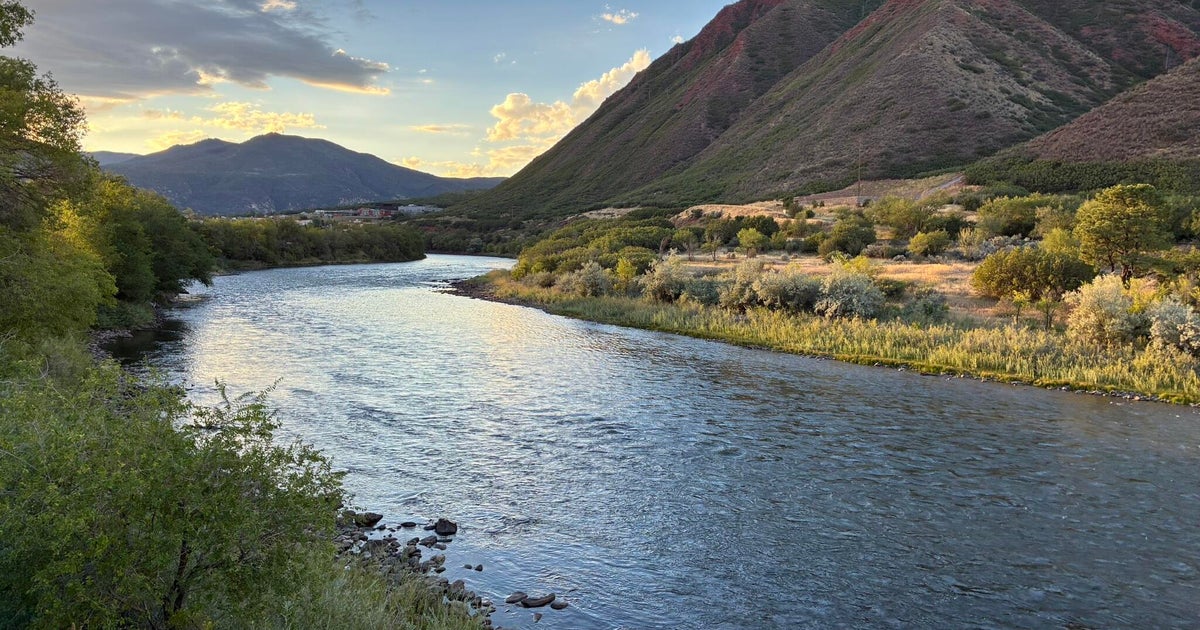
The cuts come as the Colorado River faces unprecedented challenges due to prolonged drought, climate change, and overuse, with Lake Mead and Lake Powell at their lowest levels in decades. Last winter recorded the worst snowpack on record for the basin, exacerbating the situation for farmers, industries, and wildlife.
Negotiators from Arizona, California, and Nevada have expressed optimism about the agreement, with Arizona's water resources director, Tom Buschatzke, stating, “The reductions that are now memorialized here will provide substantial stability for folks.” Meanwhile, JB Hamby, California's chief negotiator, called the plan a “bridge, not a permanent solution.”
“Arizona will see the largest cut, while upstream states like Colorado and Utah face no reductions for now, and Mexico will reduce intake by 250,000 acre-feet under a U.S.-Mexico treaty. California's negotiator called the plan 'a bridge, not a permanent solution,' as officials seek long-term stability.”

 CBS News