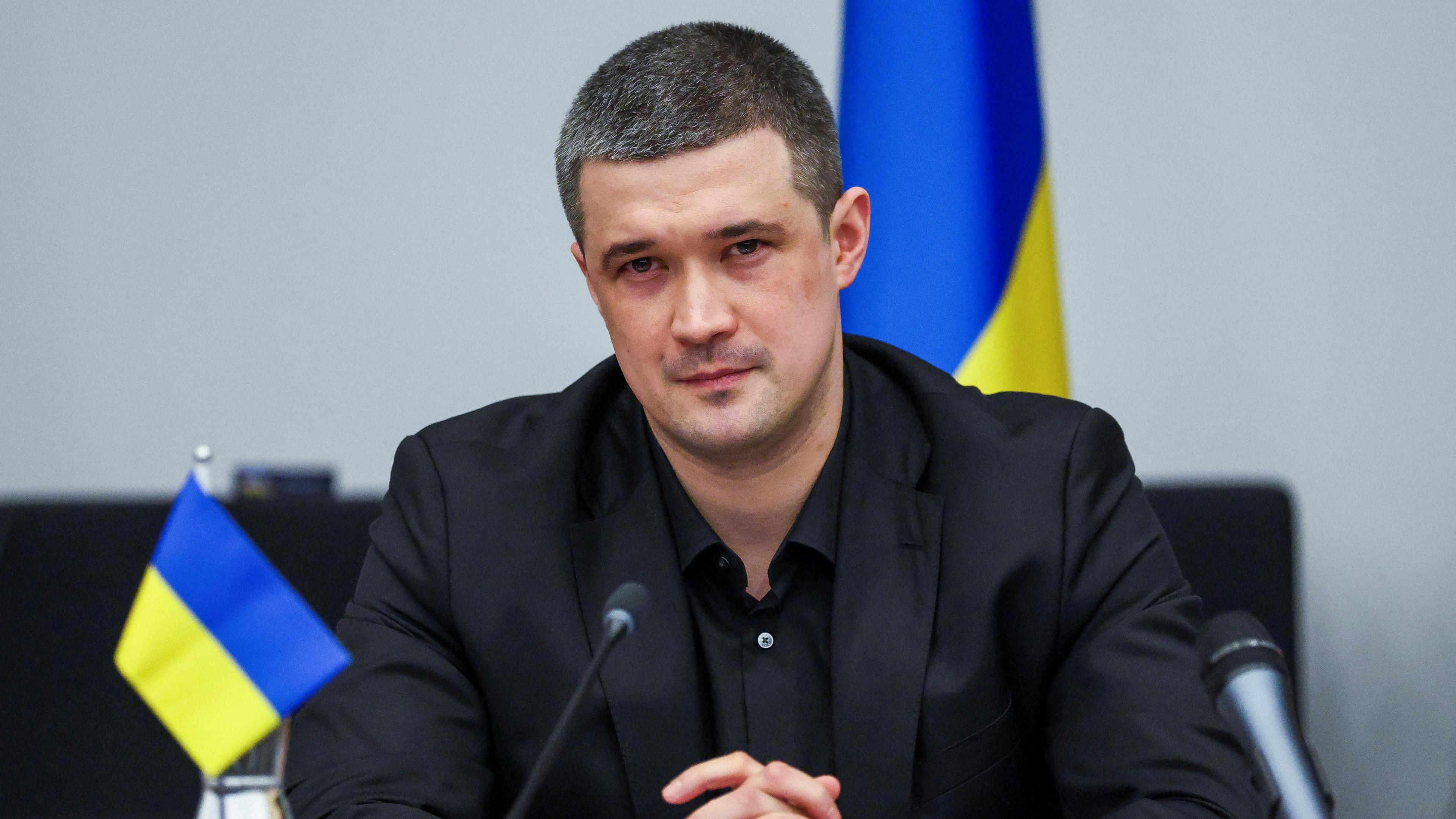
- Fedorov's gamble against President Zelenskiy backfired as protests demanding his return ended with the appointment of Yevhenii Khmara as defense minister on 19 August.
- Protesters rallied against military commander-in-chief Oleksandr Syrskyi, who was accused by Fedorov of blocking his work, during the month-long protests.
- Dmytro Koziatynskyi, a veteran and civic activist, ended the protests, stating it was all worth it after Parliament appointed Khmara as defense minister.
- Fedorov's reforms included an audit that exposed roughly $7.2 billion in defense overspending, which became a rallying cry for the protests.
- Analysts noted the protests were unique as they were explicitly 'for' a government official, marking a first in Ukraine's political landscape.
- Public morale has been buoyed by a recent successful Ukrainian campaign of strikes on Russian energy infrastructure, contributing to Zelenskiy's stable approval rating of around 60%.
- Protesters defended Fedorov's reforms, including open procurement via the Brave1 marketplace and a competitive tender that cut 155mm shell prices by 16%.
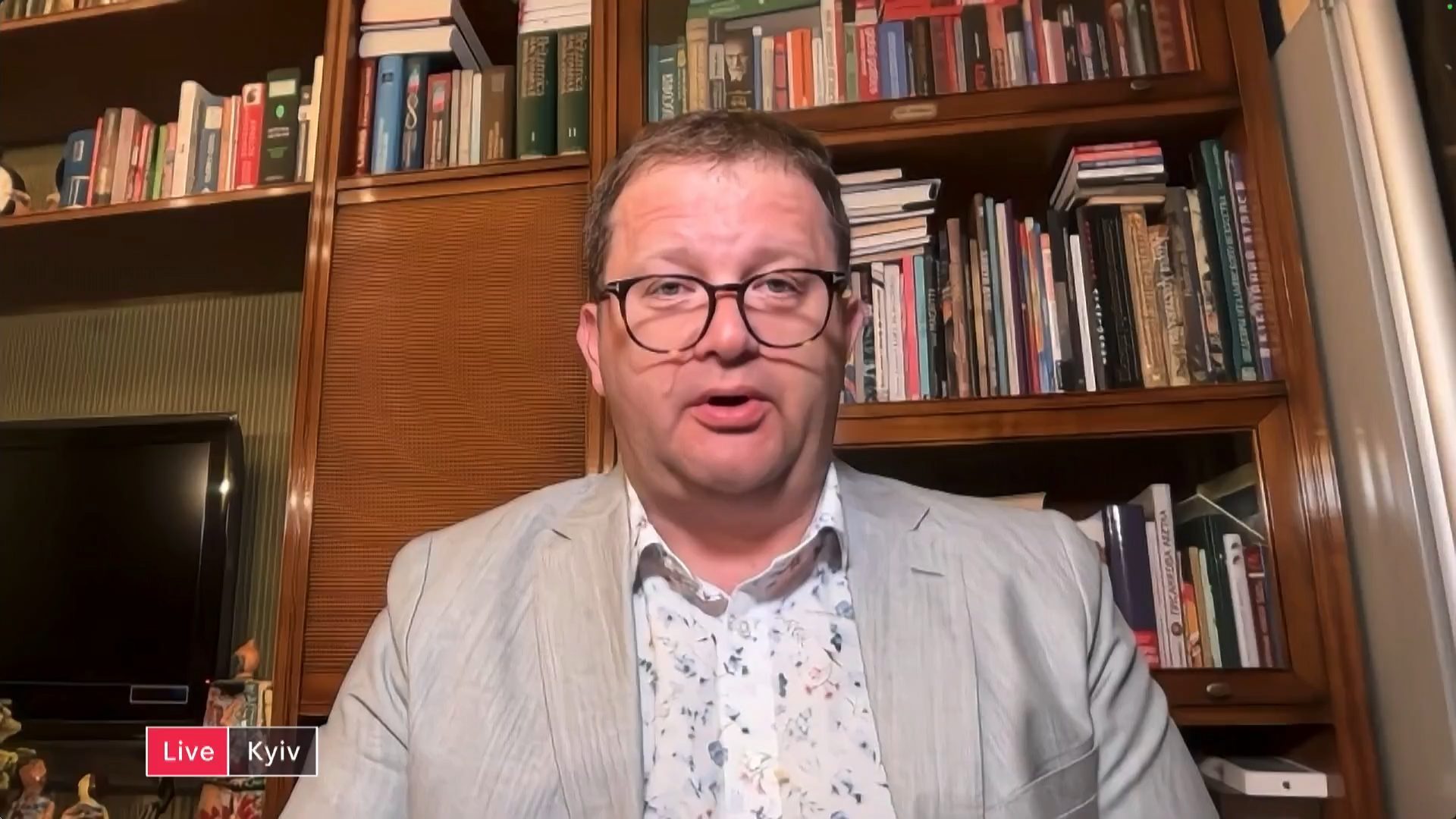
- Romaniuk cautions that it is still too early to speak of a change in Ukrainians' political culture, but he hopes it becomes the beginning of one where people in power are judged by their results.
Ukrainian President Volodymyr Zelenskiy's decision to dismiss Mykhailo Fedorov as defense minister ignited widespread protests, reflecting public discontent over governance amid the ongoing war with Russia. Fedorov, a reformer credited with significant military-tech advancements, was seen as a potential challenger to Zelenskiy's authority.
Protests erupted after Fedorov's abrupt removal on July 14, with demonstrators demanding his reinstatement. Many viewed the dismissal as a threat to Ukraine's war effort, leading to a month-long movement that saw thousands rallying in support of Fedorov. Despite this, on August 19, parliament appointed Yevhenii Khmara as the new defense minister, effectively sidelining the protests.1
Fedorov's tenure was marked by significant achievements, including exposing $7.2 billion in defense overspending and spearheading drone programs crucial for Ukraine's military strategy. His removal was perceived as a move by the old guard to protect itself, igniting further public outrage. “The audit showed 300 billion in theft. They removed the auditor, not the thieves,” read one protest sign.4
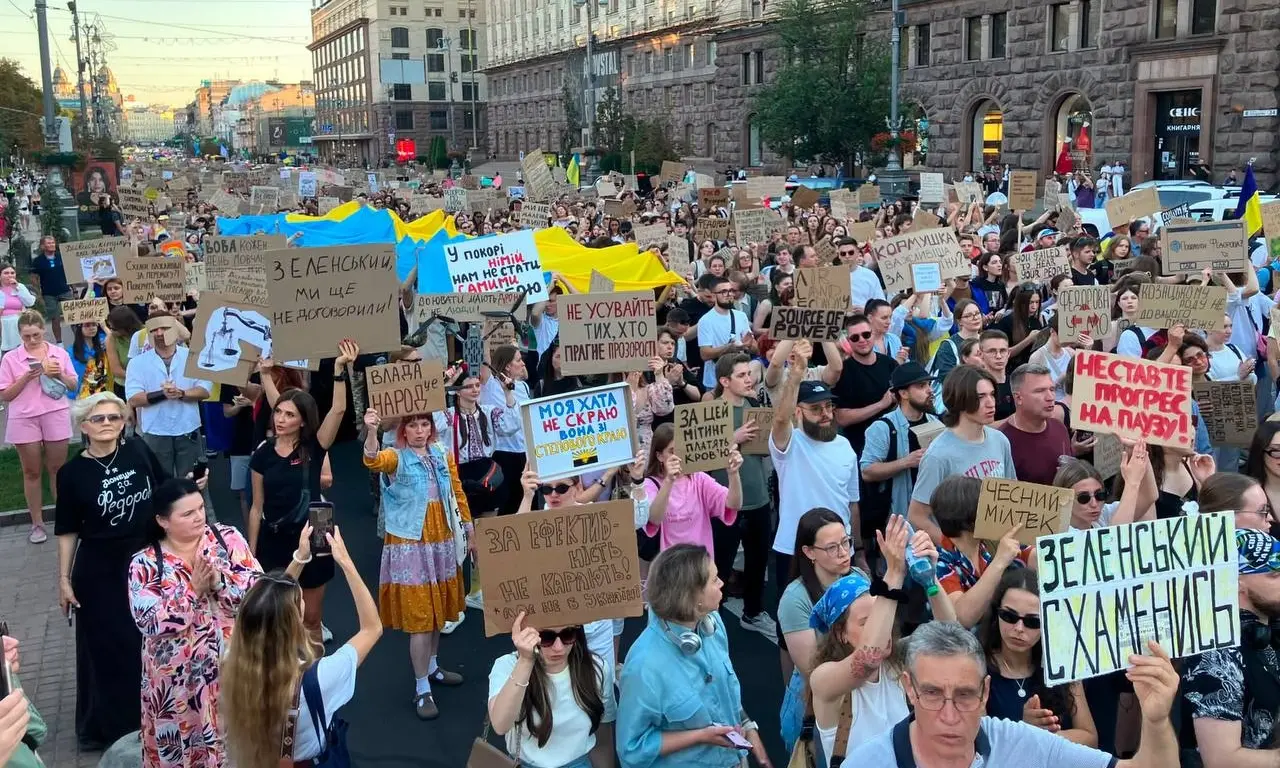
Despite the protests, Zelenskiy's approval rating remains stable at around 60%, buoyed by recent military successes against Russian infrastructure. However, the protests marked a significant moment in Ukraine's political landscape, as they were organized in support of a government official rather than against the government itself, indicating a shift in public sentiment.
As the conflict continues, the implications of these protests and the public's response to governance will be critical in shaping Ukraine's political future.
“The protests were a first in Ukraine, explicitly supporting a politician for his past results, not promises. Fedorov's audit exposed $7.2 billion in defense overspending, and his drone campaign struck targets 1,300 kilometers inside Russia, buoying public morale.”
 Sowetan
 Euromaidan Press