KCCI
KCCI- The Federal Reserve raised interest rates by a quarter point, marking the first hike since 2023, as inflation remains stubborn.
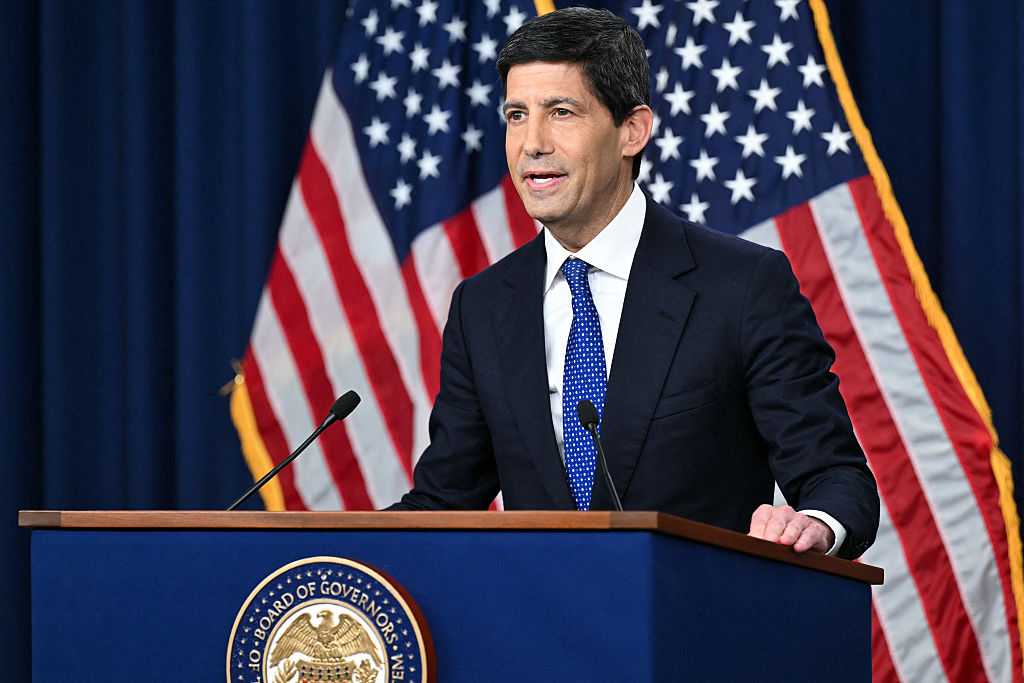
- Fed Chair Kevin Warsh defended the rate hike as necessary for stable prices, saying it will benefit lower-income Americans who are hurt most by inflation.
- Consumer prices rose 3.4% in August year-over-year, with the monthly increase quadrupling to 0.4%.
- Credit card rates are expected to rise by a quarter-point, as most cards track the prime rate, which responds quickly to Fed moves.
- Mortgage rates are rising: the 30-year fixed-rate mortgage hit 6.76% last week, the highest in more than 14 months.
- The FOMC projects one more 25-basis-point hike this year, with further moves possible at the October and December meetings.
- The Federal Open Market Committee (FOMC) noted solid economic activity, resilient domestic spending, strong productivity, and robust capital investment, while acknowledging elevated uncertainty due to geopolitical developments.
- Warsh noted that inflation has been running above target for more than five years, with the PCE index likely around 3.6% in August, well above the 2% target.
The Federal Reserve raised its benchmark interest rate by a quarter point to a range of 3.75% to 4.00%, the first increase since 2023, as inflation remains stubbornly high.1
Fed Chair Kevin Warsh emphasized the need for price stability, stating, “The plain fact is that inflation is too high and has been for too long.”2
The decision, made unanimously by the Federal Open Market Committee, reflects concerns over rising consumer prices, which increased 3.4% in August compared to the previous year.3
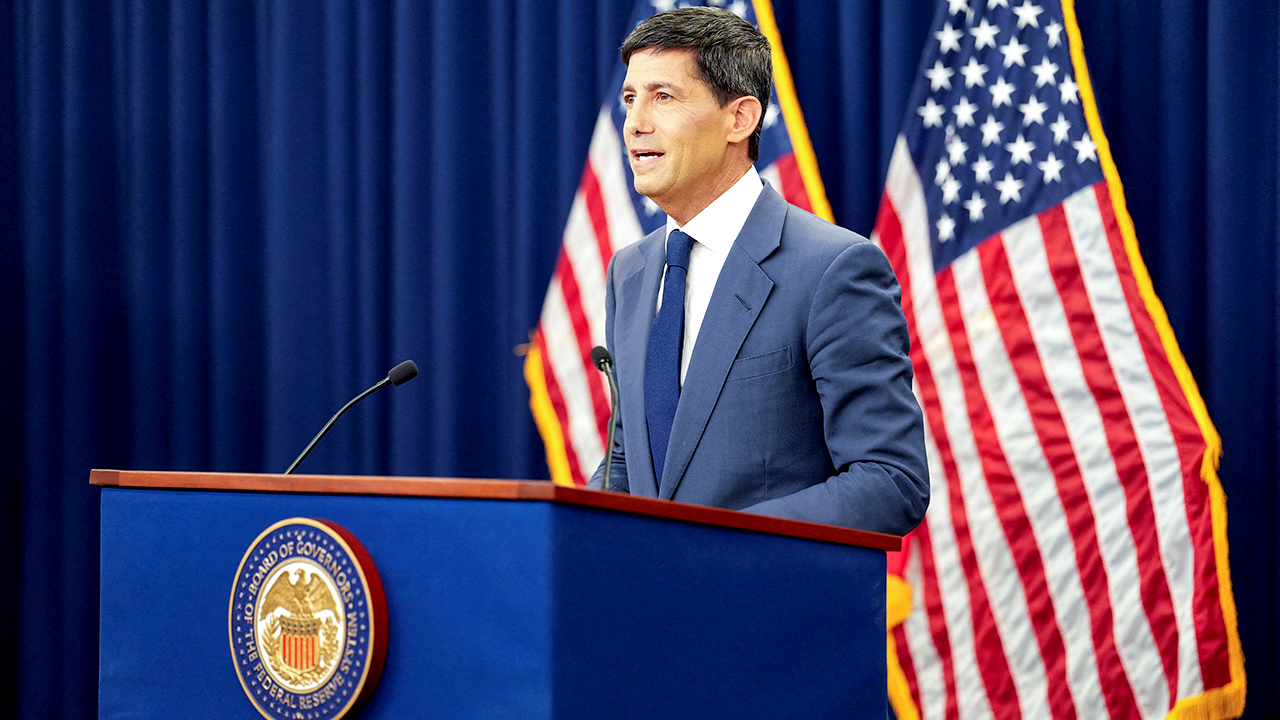
The Fed's action is expected to raise borrowing costs for consumers, particularly impacting credit card and mortgage rates.
The average rate on a 30-year fixed mortgage has already risen to 6.76%, the highest in over 14 months, while credit card rates are projected to increase by a quarter-point in the coming months.45
Warsh noted that the rate hike aims to support lower-income Americans, who are most affected by inflation, stating, “The least well off are the ones that have the most to gain from stable prices.”

The Fed's decision comes amid a backdrop of resilient economic activity, with job gains keeping pace with the workforce and domestic spending remaining strong.
However, the ongoing geopolitical tensions and rising energy prices continue to pose risks to inflation, prompting Fed officials to signal the possibility of further rate hikes later this year.
The median forecast indicates at least one more increase is likely, as the Fed aims to achieve its 2% inflation target.
“Fed Chair Kevin Warsh defended the hike, saying it will benefit lower-income Americans hurt most by inflation, while the FOMC's dot plot projects one more 25-basis-point hike this year. Consumer prices rose 3.4% in August, and the 30-year fixed mortgage rate hit 6.76% last week.”


 Fox Business