- Judge Rodriguez denied Minnesota's request for a temporary restraining order, allowing ICE agent Christian Castro to be released from a Texas jail.
- The judge ruled that Minnesota's lawsuit was premature because Texas Governor Greg Abbott has not yet denied the extradition request.
- Castro's 90-day detention period under Texas law expires Thursday, which is the day he is expected to be released.
- The court noted that Abbott has considered the extradition matter for an atypically-long duration, but no law requires him to act within a specific timeframe.
- Christian Castro was charged in May with four felony counts of second-degree assault and one misdemeanor count of falsely reporting a crime stemming from a January ICE operation in Minnesota.
- During the January operation, Castro fired a shot through a closed front door, injuring a person in the leg.
- Minnesota formally requested Castro's extradition in early June after his arrest in Cameron County.
A federal judge has cleared the way for ICE agent Christian Castro to be released from a Texas jail, denying Minnesota's request to block his release amid an extradition dispute.157
The ruling by U.S. District Judge Fernando Rodriguez Jr. came as Castro's 90-day detention period under Texas law was set to expire.3
Rodriguez stated that Minnesota's lawsuit was premature, as Texas Governor Greg Abbott has not yet denied the extradition request.2
"The record reflects only that Governor Abbott has neither agreed nor refused to sign the rendition warrant as to Castro," the judge noted.
Castro faces four felony counts of second-degree assault and one misdemeanor count of falsely reporting a crime related to a January incident in which he allegedly shot a Venezuelan man, Julio Cesar Sosa-Celis, in the leg.
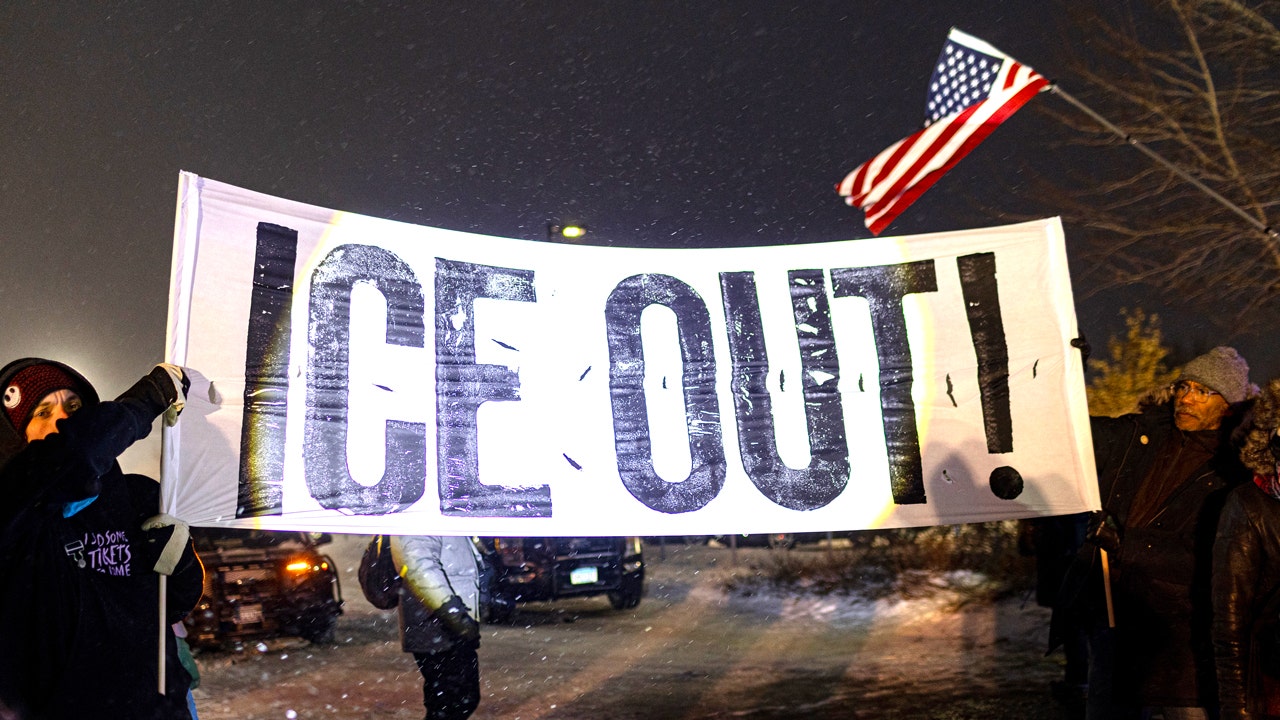
The shooting incident has sparked protests in Minneapolis and has become a focal point in the ongoing political and legal battle between Minnesota officials and the Trump administration over the prosecution of ICE agents.
Minnesota Attorney General Keith Ellison has argued that Castro's actions fell outside his federal law-enforcement duties, while the Department of Homeland Security has accused Minnesota officials of staging a "political stunt."
Despite the controversy, Rodriguez ruled that neither state nor federal extradition laws impose a deadline for Abbott to complete his review of the extradition request.
The judge's decision allows Castro to leave jail as soon as Thursday, raising concerns from Minnesota officials about his potential flight from prosecution.
Attorneys for Minnesota argued that it would be difficult to compel Castro to face charges if he is released, but the judge's ruling has left them with limited options.
"The Court has doubts that caselaw supports the construction of ‘fugitive’ that Texas is considering," Rodriguez wrote, emphasizing the complexities of the extradition process.
“Castro's 90-day detention under Texas law expires Thursday, and without a court order or rendition warrant from Governor Abbott, he will be released from Cameron County Jail. The judge ruled Minnesota's lawsuit premature, noting Abbott has neither agreed nor refused to sign the warrant.”
 Fox News
 The Guardian