- US airstrikes have expanded with attacks on multiple bridges, resulting in at least 7 deaths according to reports.
- US Marines boarded the M/T Wen Yao to ensure compliance with the ongoing US naval blockade against Iran.
- Stranded sailors in the Strait of Hormuz expressed their frustration, telling US forces to 'F–k off' over marine radio.
- The Middle East has seen escalating conflict as the US and Iran engage in a series of attacks following the collapse of a ceasefire.
- The US military has redirected three commercial vessels attempting to breach the blockade since it was implemented.
- Iranian state media reported that US strikes targeted areas around Tehran and Semnan province, which is significant for Iran's military capabilities.
Sailors stranded in the Strait of Hormuz voiced their anger at U.S. forces, telling them to 'F–k off' as tensions escalated following a renewed blockade against Iran. The U.S. military confirmed that Marines boarded the M/T Wen Yao to ensure compliance with the blockade, which began earlier this week.23
The U.S. Central Command (Centcom) reported that three commercial vessels were redirected for attempting to breach the blockade, with one disabled for non-compliance. This military action coincided with a series of U.S. airstrikes targeting Iranian infrastructure, which have reportedly killed at least seven people and injured others.
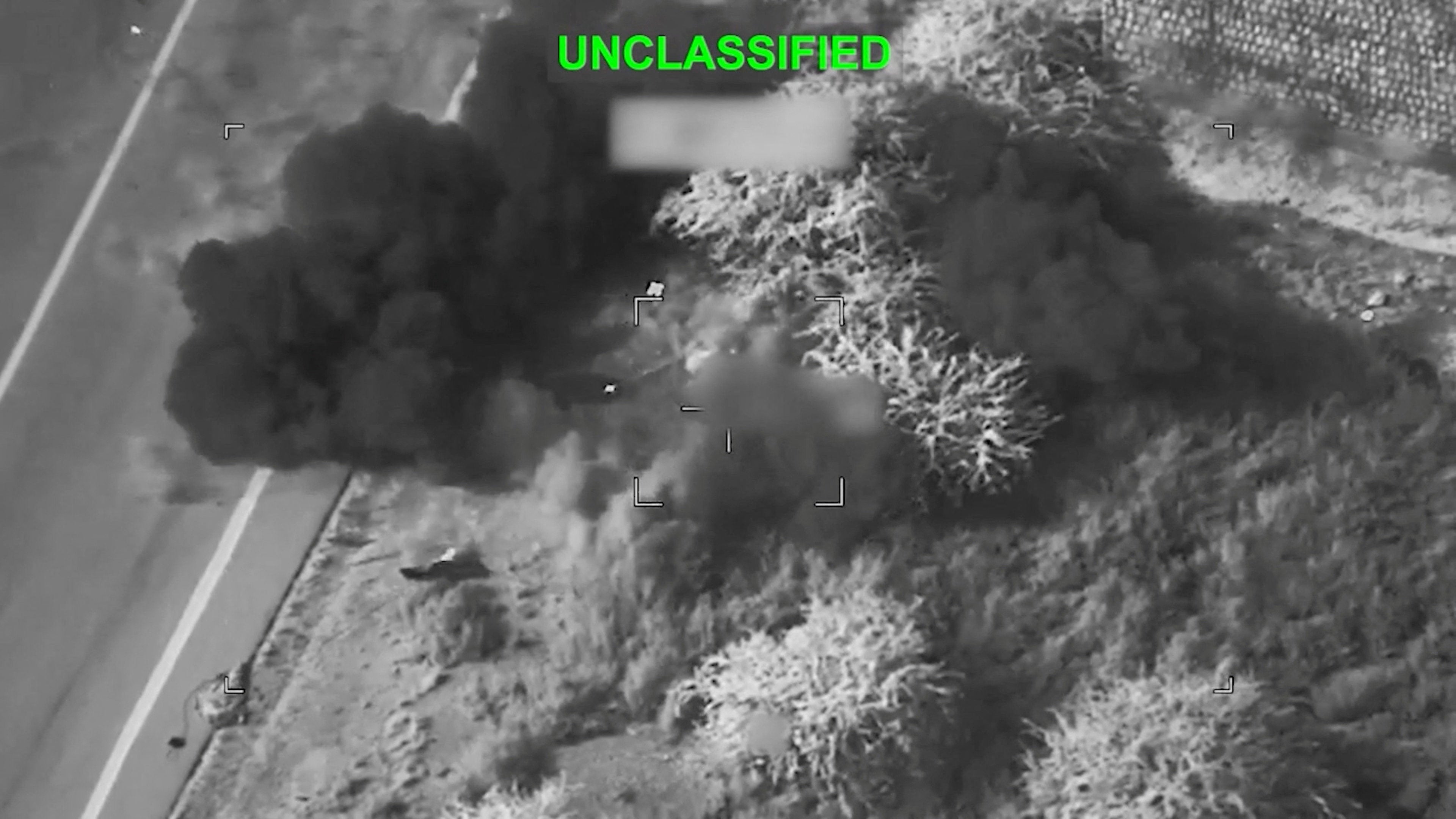
In a statement, President Donald Trump claimed the U.S. was 'winning big in Iran' and promised that Americans would soon see the 'fruits of that labour'. Iranian state media reported that U.S. strikes hit key locations around Tehran and Semnan province, including military production sites.6
Iran retaliated with missile and drone attacks on Gulf nations, including Kuwait, which reported responding to aerial assaults. An Iranian military chief warned of potential widespread attacks on regional infrastructure if U.S. actions continued.

Despite the U.S. military's assurances of maintaining freedom of navigation, maritime data indicates that most vessels are avoiding the U.S.-backed route through the Strait of Hormuz, with only a fraction of ships opting for it amid fears of Iranian aggression.
The U.S. has previously provided cover for over 70 ships during earlier conflicts, but this number pales in comparison to the more than 130 ships that typically traversed the strait daily before the current hostilities.
“Brent crude oil prices rose to near $85.28 a barrel amid the escalating conflict, and Centcom reported redirecting three commercial vessels trying to run the blockade. Iran also attacked Gulf states including Bahrain, Qatar and Kuwait, while the Houthi leader threatened to target all Saudi oil facilities if Riyadh intervenes.”


 The Guardian
 The Independent



