- The Federal Reserve kept interest rates unchanged on Wednesday, leading to mixed reactions in the markets.
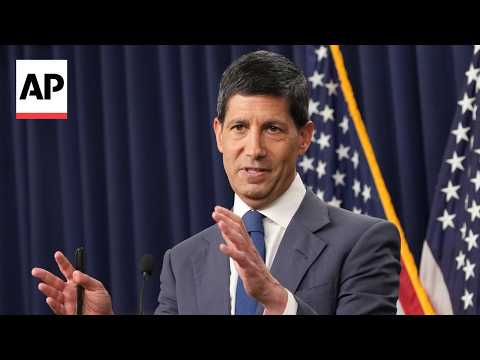
- Fed Chair Kevin Warsh pledged to keep fighting inflation, but his comments left markets uncertain about future rate hikes.
- The U.S. dollar found its footing in Asian trading after the Fed's decision, nudging up 0.1% to 100.93 following U.S. actions in Iran.
- Despite three committee dissents favoring a July hike, Warsh did not signal an imminent rate increase, echoing the tone from June.
- The 30-year Treasury yield climbed to its highest in almost two decades following the Fed's decision.
- Market expectations for future Fed tightening have led analysts to believe the dollar's decline may be temporary.
- MUFG's Derek Halpenny noted that the Fed's decision and Warsh's unclear justification triggered a sell-off in long-term Treasuries and modest dollar weakness.
- The outlook for the dollar has become less clear, with increased uncertainty regarding the Fed's reaction function.
- Concerns about Fed credibility have arisen, especially after a significant jump in inflation expectations.
The U.S. dollar found its footing in Asian trading after the Federal Reserve's decision to maintain interest rates, but Chair Kevin Warsh's comments left markets uncertain about future rate hikes. His remarks failed to clarify the Fed's rationale for the pause, leading to questions about Fed credibility and rising inflation expectations.1234511
The dollar index nudged up 0.1% to 100.93, reflecting traders' mixed reactions. Money markets are now pricing a 34.9% probability of the Fed holding rates at its next meeting, a notable increase from 24% prior to the meeting. Analysts from HSBC noted, 'We look for the USD to bounce back from this retreat, aided by market expectations for future Fed tightening and U.S. economic resilience.'
However, the long-end of the U.S. Treasury bond market experienced a sell-off, with the 30-year yield reaching its highest in nearly two decades. Derek Halpenny from MUFG pointed out that the Fed's decision and Warsh's lack of clear justification triggered this sell-off, contributing to modest dollar weakness. He emphasized that the Fed's credibility is now in question, with inflation expectations rising and the dollar outlook deteriorating.
The 2s10s spread saw its largest jump since August last year, indicating further depreciation risks for the dollar. The outlook remains uncertain as traders await clearer signals from the Fed regarding its future policy direction.
“The U.S. dollar held firm near multi-week highs as traders reacted to the Fed's decision, with a 34.9% probability of holding rates at the next meeting. Analysts express concerns over Fed credibility, noting inflation expectations have jumped, which could lead to further depreciation risks for the dollar.”