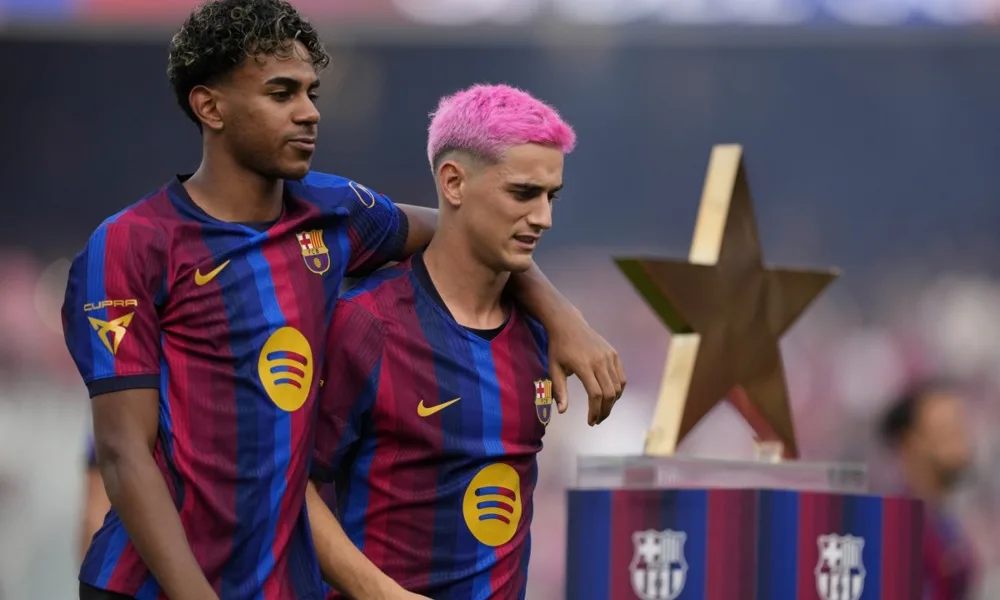
- FC Barcelona has drawn criticism in Cyprus after its academy advertised two youth football camps in the Turkish-occupied north of the island.
- The club’s advertisement lists the venue as Near East University, Lefkosa, Northern Cyprus, using the Turkish name for Nicosia.
- The nationalist ELAM party condemned the plan on August 24, calling for intervention from the Spanish government.
- The Cyprus Football Association wrote to its Spanish counterpart urging him to discourage FC Barcelona from holding the camp.
- Turkish Cypriot leader Tufan Erhurman defended the camp, stating that attempts to cancel it are a defeat for humanity.
- The TRNC criticized the Greek Cypriot Administration's efforts to prevent the camp, emphasizing the importance of opportunities for young people.
- Cyprus has been divided since Turkey invaded in 1974, leading to the establishment of the self-declared Turkish Republic of Northern Cyprus in 1983.
- The Republic of Cyprus joined the European Union in 2004, but the application of EU law in the north is suspended.
- Barcelona has previously been involved in the Cyprus dispute, with former president Joan Laporta visiting the north in 2014.
FC Barcelona's youth football camp in Turkish-occupied northern Cyprus has ignited significant controversy, drawing ire from Greek Cypriots who view it as a breach of sovereignty. The camp, scheduled for September 7-11 and September 16-20, is set to take place at Near East University, an institution recognized only by Turkey.1
The National Popular Front (ELAM), a nationalist party, condemned the initiative, urging the Spanish government to intervene. They labeled it inconceivable for foreign organizations to conduct activities in occupied areas, especially by a club from an EU member state. ELAM's statement reflects broader concerns about the normalization of relations with Turkish Cypriots.
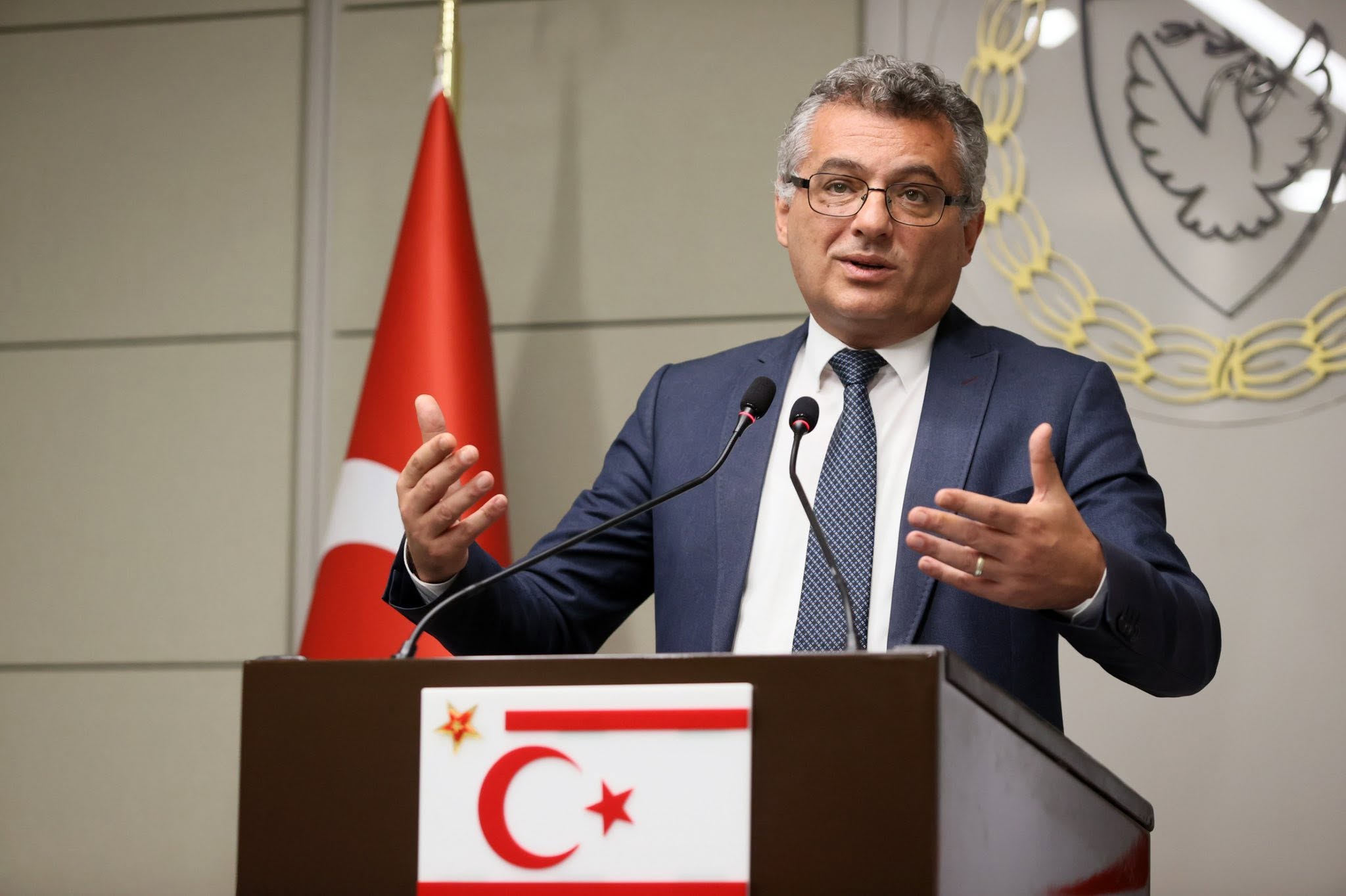
In response, Turkish Cypriot President Tufan Erhurman criticized the Greek Cypriot efforts to cancel the camp, stating, “Attempting to force the cancellation of a children’s football camp is clearly a defeat for all people and for humanity as a whole.” He emphasized the importance of providing opportunities for young people, regardless of their ethnic background, and called for bicommunal sports events to foster trust between communities.
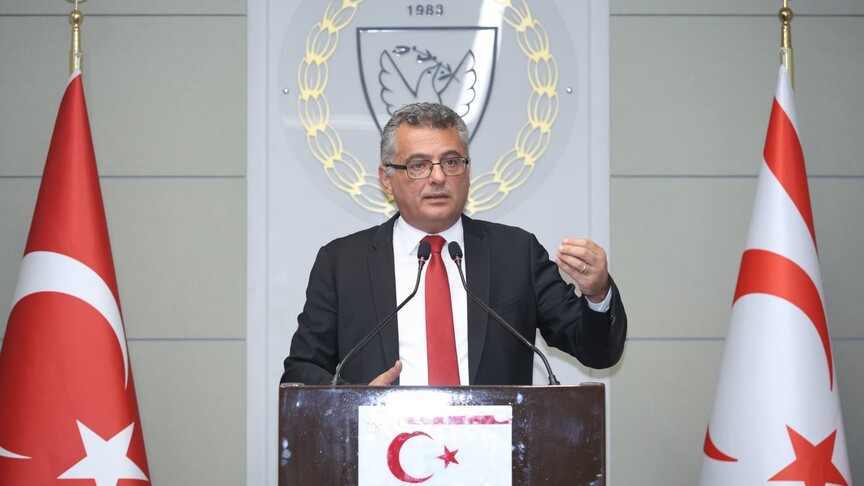
The Cyprus Football Association has also expressed concern, writing to its Spanish counterpart to discourage the camp, citing legal and regulatory frameworks. However, Erhurman argued that such events should not be politicized, referencing calls from the UN and EU to end the isolation of Turkish Cypriots after the 2004 referendum on reunification.5
As the camp approaches, tensions remain high, with both sides entrenched in their positions regarding the future of Cyprus and the role of international organizations in the region.
“The camp, set for September 7-11 and 16-20 at Near East University, was still online as of August 26. ELAM has also demanded cancellation of the Zamna music festival in October, and the Cyprus Football Association has asked Spain's Rafael Louzan to intervene.”