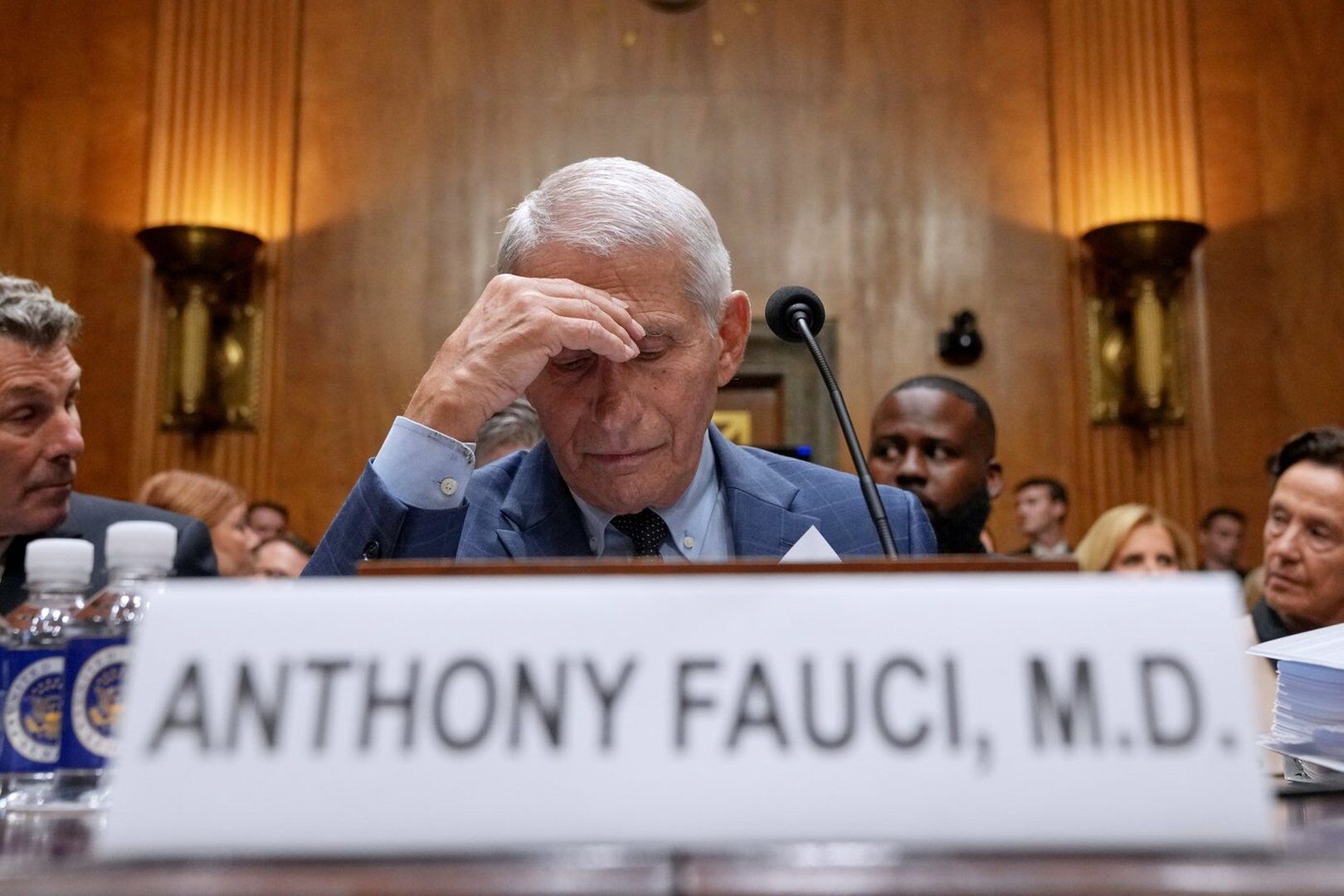
- A Senate committee is set to vote Thursday on whether to hold Dr. Anthony Fauci in contempt of Congress and refer him to the Justice Department for potential prosecution over his refusal to answer questions at a hearing last week focused on his handling of the COVID-19 pandemic.
- The Republican-led panel is set to vote Thursday morning on whether to refer Fauci to the U.S. Attorney’s Office in Washington, which would make a decision on whether or not to investigate or potentially attempt to prosecute the doctor for contempt.
- Paul, who has previously sent referrals on Fauci on his own, acknowledged Wednesday that contempt resolutions have often gone through the full Senate but said he did not want to waste time moving the matter to a vote of the full Senate, where it would be unlikely to muster the required 60 votes needed to advance.
- The pardon from Biden covered acts from 2014 through January 2025 but does not shield Fauci from state-level prosecutions or from investigations into any testimony that he did give that lawmakers thought was false.
- Fauci, in a statement issued before the hearing, said he had good reason to fear the possibility of criminal charges given what he said was Paul’s determination “to get me to say something, anything, that could vindicate his repeated public pledges that I end up, in his words, quote, behind bars, unquote.”
- No matter what happens, the episode raises fresh and complicated questions about lawmakers’ ability to compel testimony from previously pardoned witnesses — and the outcome could resonate beyond Fauci given the possibility that Trump may also grant clemency to his own aides before leaving the White House.
A Senate committee is poised to vote Thursday on whether to hold Dr. Anthony Fauci in contempt of Congress for his refusal to answer questions during a hearing about his COVID-19 response. Fauci invoked his right against self-incrimination over 100 times, citing fears of criminal charges from Sen. Rand Paul, who has publicly called for Fauci to face prosecution.15
Fauci stated, “I had good reason to fear the possibility of criminal charges” due to Paul's insistence on obtaining damaging testimony. The committee's decision could lead to a referral to the U.S. Attorney’s Office in Washington for potential prosecution, raising complex questions about the ability of lawmakers to compel testimony from pardoned witnesses.26
Paul, the Republican committee chairman, noted that contempt resolutions often proceed to the full Senate but expressed concern about the likelihood of securing the necessary 60 votes for advancement. He stated, “We still might come to the floor, but at this point, the first thing we will do is we will send it over as a recommendation from our committee, if it passes.” The outcome of this vote could have implications beyond Fauci, especially as former President Trump may consider clemency for his aides before leaving office.3
This situation underscores the ongoing tensions between lawmakers and public health officials, particularly in the context of the pandemic response and accountability.
“The vote follows Biden's pardon covering acts from 2014 through January 2025, which does not shield Fauci from state-level prosecutions or investigations into false testimony. Senator Paul said he does not 'want to waste time' moving the matter to the full Senate, where it would likely fail to get 60 votes.”






