- China has warned there is a "high risk" that a lake formed after the recent landslide near the Nepal-Tibet border may burst, causing a second flood downstream.
- As of Friday morning, an estimated 2.5 million cubic metres of water had accumulated at the barrier lake, according to state broadcaster CCTV.
- Officials said that three million cubic metres of water is expected to flow into the lake between Thursday and Saturday, posing a "high risk of breach".
- The barrier lake, which formed at the confluence of the Chhochen Khola and Purepu Tsangpo rivers, has already started to overflow, according to China's Ministry of Water Resources.
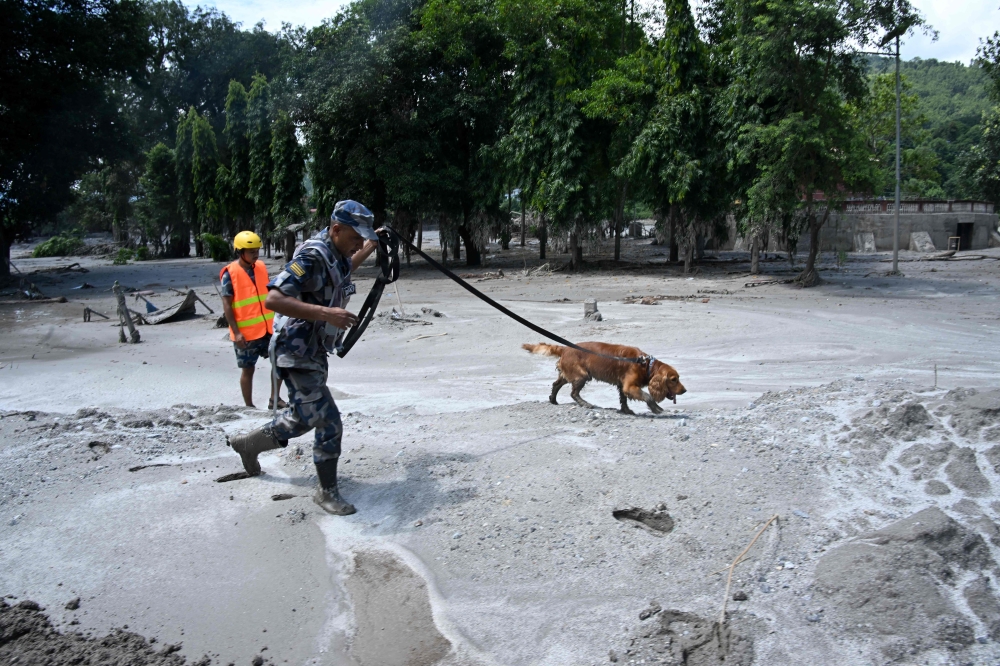
- Due to the risks, search and rescue operations had to be suspended near the Nepal-Tibet border, according to the report.
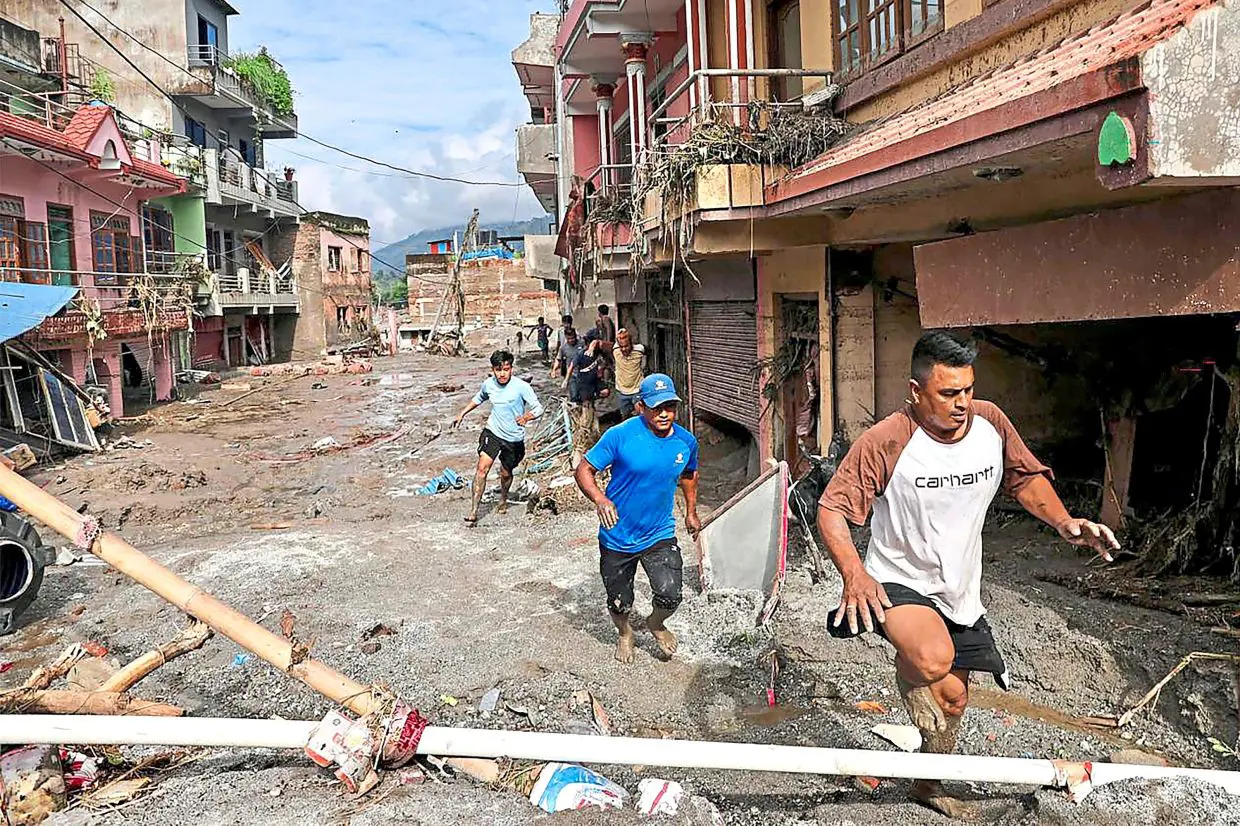
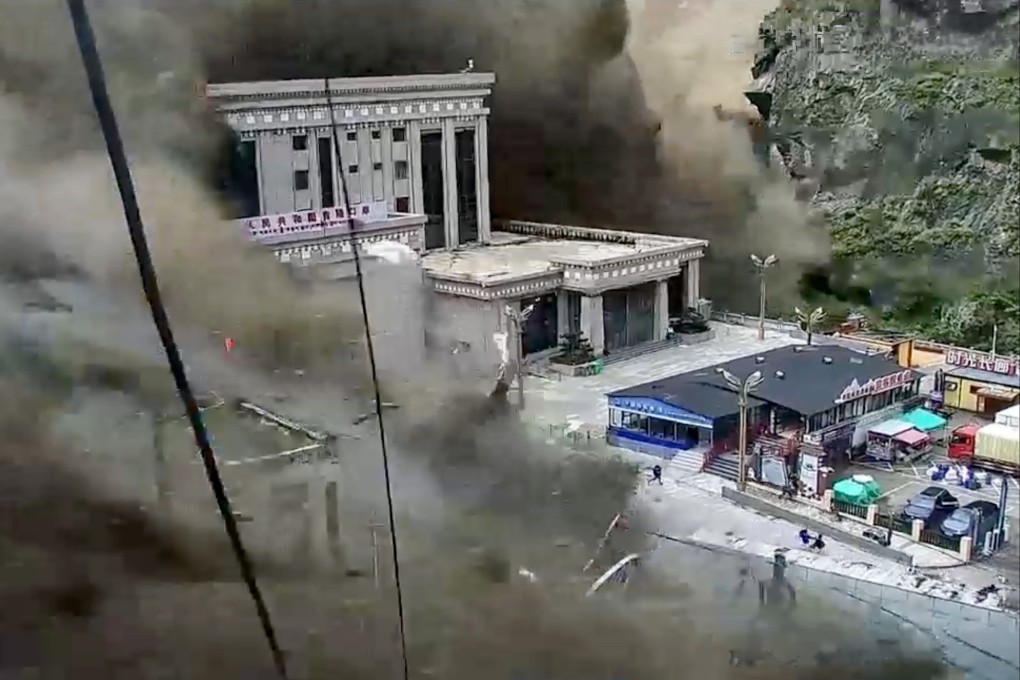
- A CCTV report on Friday morning said that most of the Chinese emergency services were stuck at a village about 7km (4 miles) from Gyirong Port, the major land crossing linking Nepal and China which was hit by Wednesday's massive flood.
- The emergency services were stuck because the barrier lake was "overflowing non-stop", which could lead to fresh floods or debris flows.
- Separately, Nepali authorities have warned of the risk of blockages causing further floods along the Bhote Koshi and Trishuli rivers.
China has warned of a 'high risk' that a barrier lake near the Nepal-Tibet border may burst, potentially causing a second flood downstream.15
As of Friday morning, 2.5 million cubic metres of water had accumulated at the lake, with an additional three million cubic metres expected to flow in between Thursday and Saturday, raising concerns of a breach.23
The barrier lake formed at the confluence of the Chhochen Khola and Purepu Tsangpo rivers and has already begun to overflow, according to China's Ministry of Water Resources.4
A report from CCTV indicated that most Chinese emergency services were stranded about 7km (4 miles) from Gyirong Port, the main land crossing affected by Wednesday's massive flood.6

The lake's continuous overflow poses a risk of fresh floods or debris flows, prompting authorities to suspend search and rescue operations in the area.
Additionally, Nepali authorities have cautioned about the potential for blockages that could lead to further flooding along the Bhote Koshi and Trishuli rivers.8
The situation remains critical as officials monitor the lake's status closely.
“The barrier lake, formed at the confluence of the Chhochen Khola and Purepu Tsangpo rivers, has already started to overflow, with 2.5 million cubic metres of water accumulated as of Friday. Nepali authorities separately warn of further flood risks along the Bhote Koshi and Trishuli rivers.”


 BBC
BBC