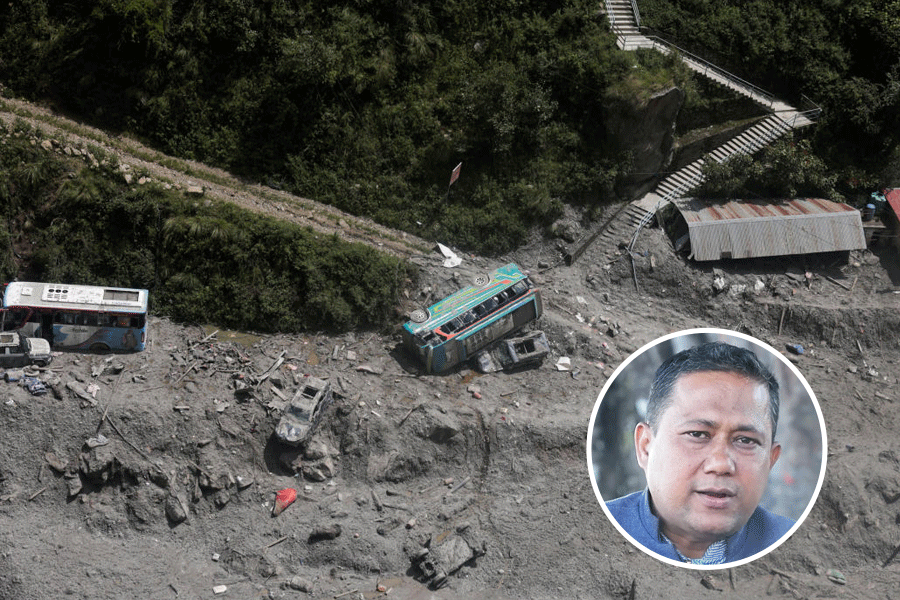
- The death toll from the flash floods in Nepal has surpassed 1,250, with Prime Minister Balendra Shah linking the disaster to climate change.
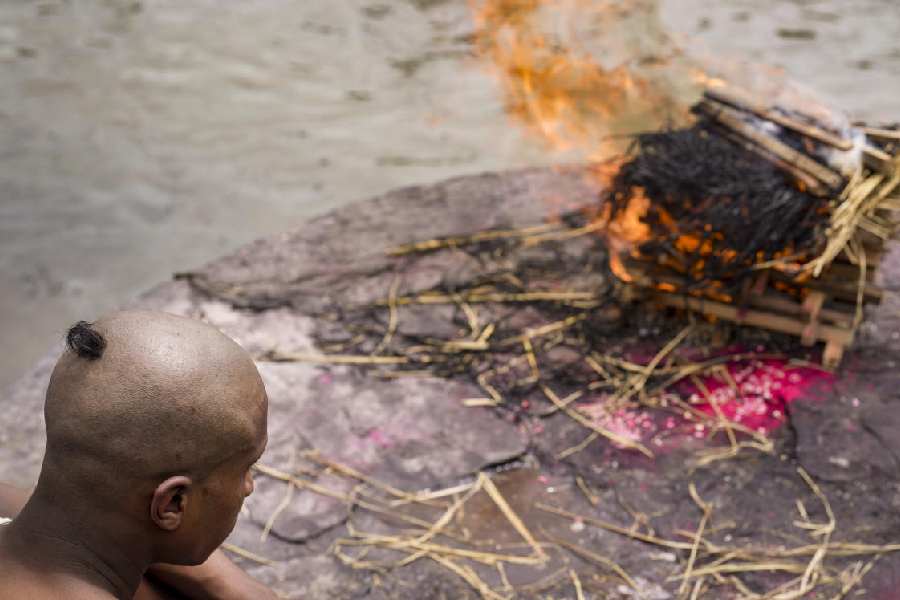
- In Nuwakot, along the Trishuli river, priests perform symbolic funerals with straw effigies for the missing victims.
- In Kathmandu's Tribhuvan hospital, more than 150 bodies are awaiting identification, causing families to search desperately for any marks of identification.
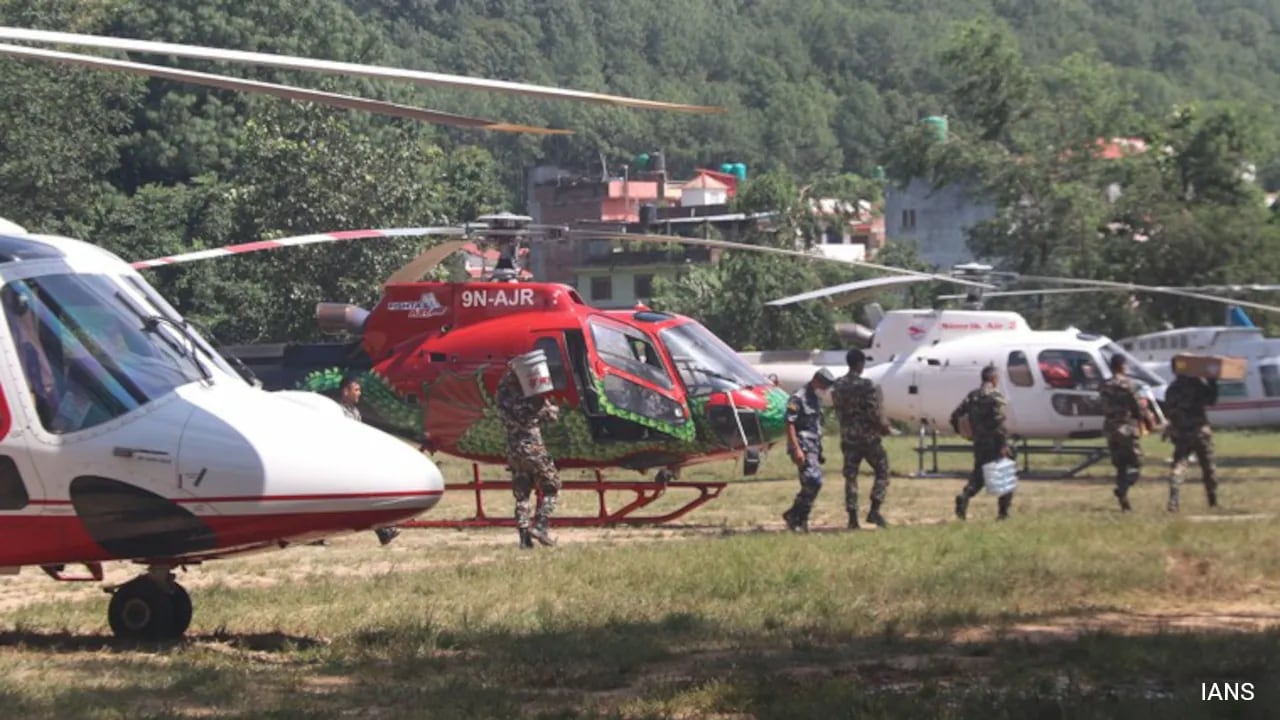
- In Chitwan, over 350 bodies have been recovered, with drones deployed to locate any bodies flowing downstream.
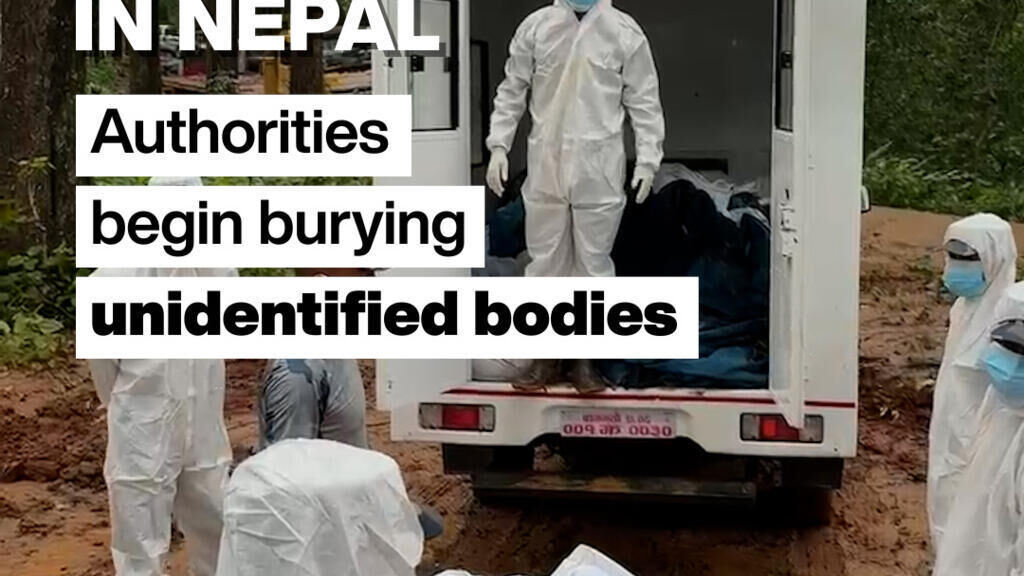
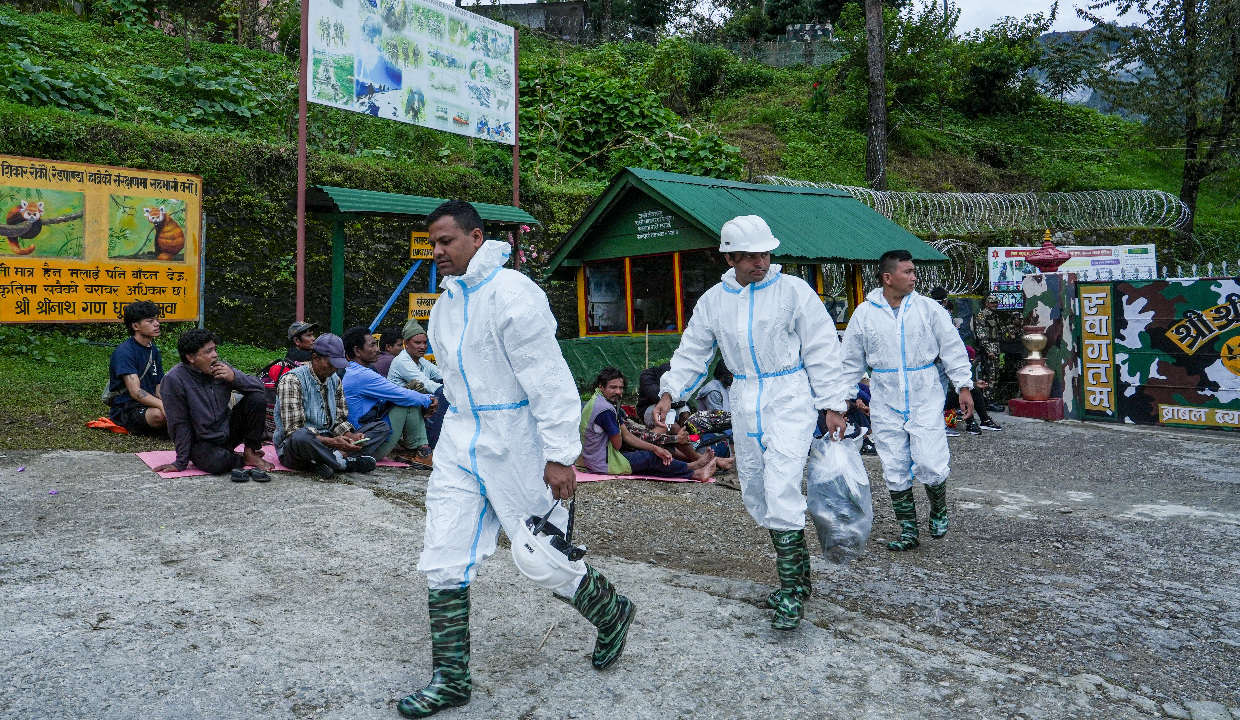
- The recovered bodies are being temporarily buried in a nearby forest to reduce infection risk, and DNA has been collected for future identification.
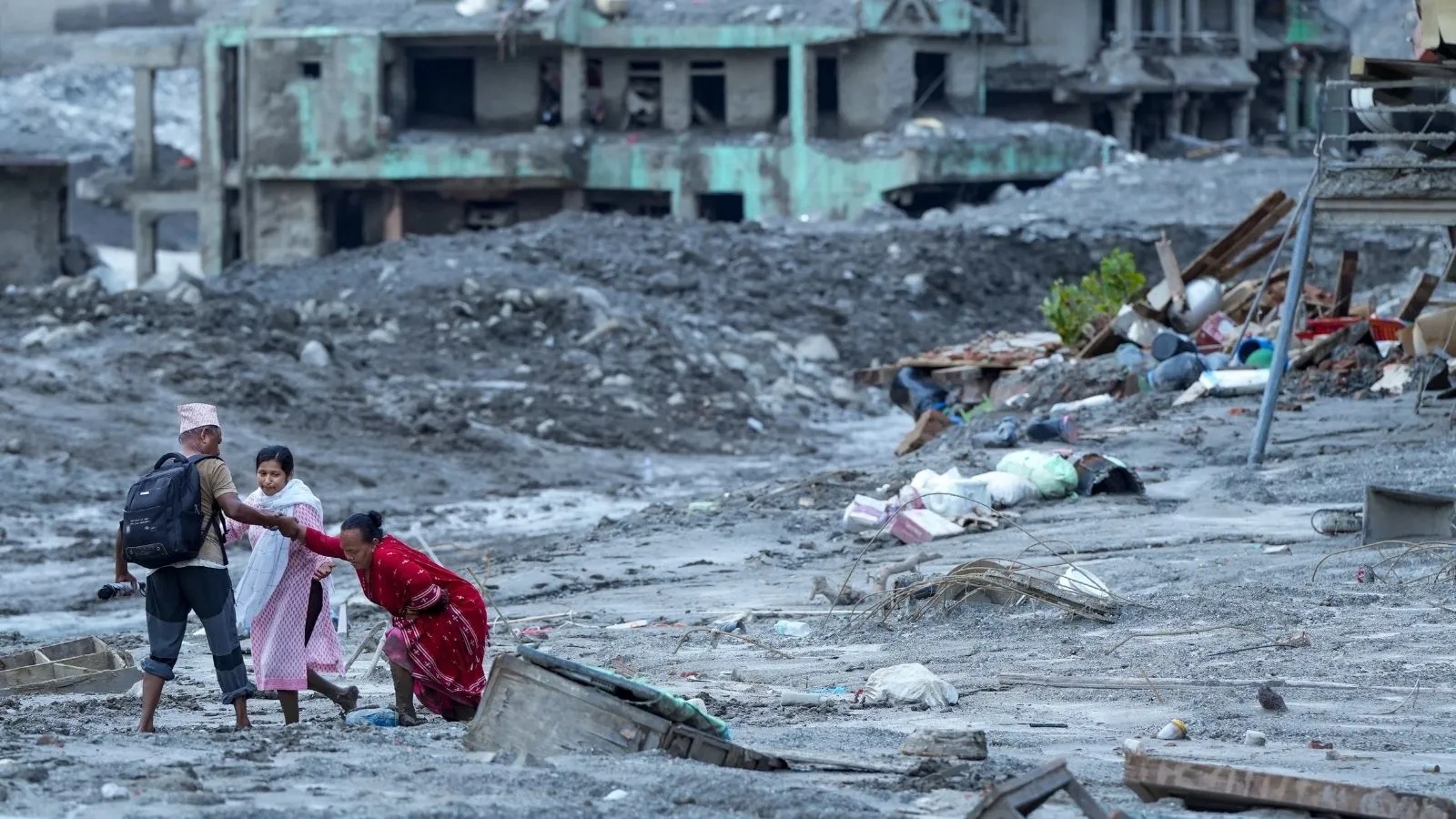
Nepal's recent flash floods have devastated communities, with the death toll surpassing 1,250 and over 4,000 individuals still unaccounted for. The floods, triggered by a massive glacier break, struck without warning, leading to widespread destruction along the Trishuli and Bhote Kosi rivers.1
In a poignant display of grief, families are conducting symbolic funerals along the Trishuli river, using effigies made of grass and straw to represent their missing loved ones. These rituals, held at the Pashupati Nath temple, allow families to say goodbye despite the absence of bodies.2
The situation is dire at local hospitals, where over 150 bodies await identification in Kathmandu's Tribhuvan hospital. Families are desperately searching for any identifying marks to claim their loved ones. Meanwhile, the Narayani river in Bharatpur continues to wash up bodies daily, further complicating recovery efforts.3
In Chitwan, more than 350 bodies have been recovered, with drones deployed to locate additional remains. The deceased are temporarily buried in nearby forests to prevent infection, with DNA samples collected for future identification. This process could take weeks, leaving families in anguish as they await closure.4
Priests along the Trishuli river perform Hindu cremation rituals for the missing, allowing families to honor their loved ones in a time of profound loss.
“More than 150 bodies await identification at Kathmandu's Tribhuvan hospital, with families desperately searching for marks to claim loved ones. Recovered bodies are temporarily buried in a nearby forest after DNA collection, a process that could take weeks before handover.”