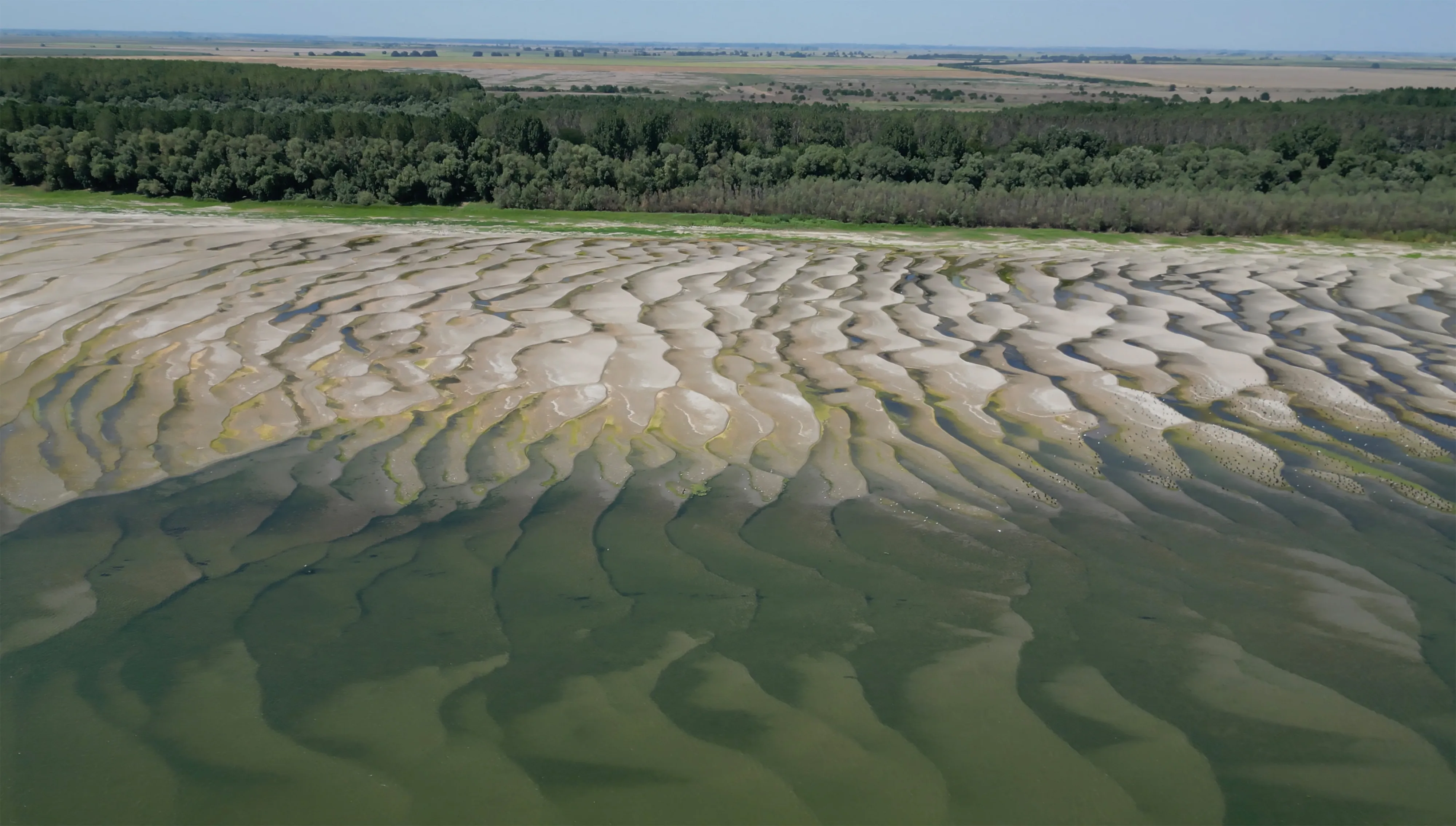
- Romania's sole nuclear plant at Cernavoda has been fully shut down due to extremely low water levels in the Danube River, which provides cooling water for its reactors.
- The first reactor at Cernavoda was shut down in July due to low Danube levels, and the second reactor was controlled shut down on Thursday.
- The second reactor was disconnected from the grid just before midday on Thursday, and the plant's director, Romeo Urjan, stated that no restart is expected within the next 10 days.
- Romania attempted to avert a complete shutdown by trying to divert the Danube's flow using barges and rock blasting, but these efforts were unsuccessful.
- The Danube River has experienced its lowest flow rates in over three decades due to a severe drought, impacting cooling water availability for nuclear plants.
- Cernavoda typically generates about 20% of Romania's electricity, highlighting the significance of its shutdown.
- The Ministry of Energy has indicated that alternative power sources, including wind power and electricity imports, will be utilized to ensure adequate supplies during this period.
Romania's Cernavoda nuclear plant has ceased operations due to extremely low water levels in the Danube River, which are at their lowest in over 30 years. The plant's director, Romeo Urjan, confirmed that operations will not resume within the next 10 days, significantly affecting the country's electricity supply, which typically relies on the plant for 20% of its power.13478
The Romanian government had attempted to avert a complete shutdown by investing over 2 million euros (approximately $2.3 million) to divert the Danube's flow, including measures such as blowing up rocks and sinking barges to increase water levels. However, these efforts have proven insufficient as the drought continues to impact the region.
Romania's energy ministry has indicated that alternative power sources, including wind power and electricity imports, will be utilized to meet demand. However, they have also warned of potential restrictions on large industrial consumers during peak hours to conserve electricity.
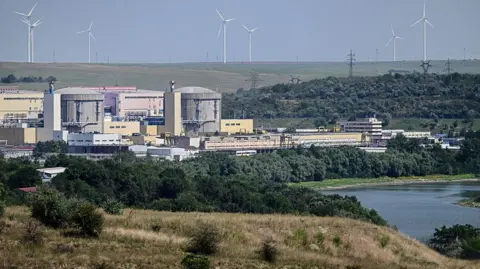
In contrast, neighboring Hungary has managed to keep its nuclear plant operational, although it faces similar challenges with the Danube. Hungarian Prime Minister Péter Magyar has ordered the construction of a submerged wall to control water flow near the Paks plant, which supplies about one-third of Hungary's electricity needs.
The situation highlights the broader impact of climate change on energy infrastructure in Europe, as prolonged heatwaves and droughts strain power generation capabilities across the region.
“The Cernavoda plant, which usually generates a fifth of Romania's electricity, had tried to divert the river by sinking barges and blasting a rock, spending over €2m. Hungary's Paks plant, also cooled by the Danube, has so far avoided shutdown but is building a submerged wall.”
 BBC
BBC