- SMART was expanded to 22 air route traffic control centers across the country on Tuesday, just days before a nationwide ground stop.
- A nationwide ground stop occurred at 4 p.m. Friday due to 'extraordinary circumstances', although the FAA did not immediately link the disruption to the new system.
- The FAA is investigating whether the new AI technology contributed to the ground stop, with federal officials examining its potential connection to the telecommunications disruption.
- The FAA began its initial rollout of the SMART system in September, with plans to expand its use to improve air traffic management.
- SMART merges about 200 data streams focused on flight paths, schedules, weather, and other factors onto a single platform to anticipate airspace constraints.

The FAA's new AI tool, SMART, was rolled out to all 22 air traffic control centers just three days before a nationwide ground stop occurred on Friday. The system integrates approximately 200 data streams to enhance air traffic management by anticipating constraints and issues.15
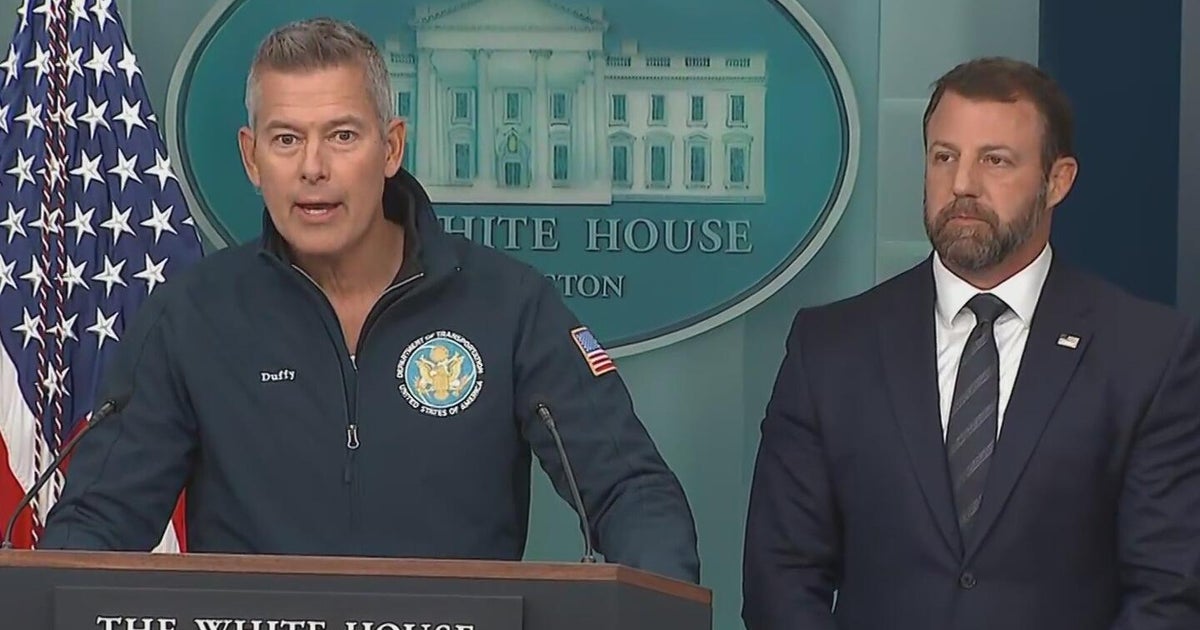
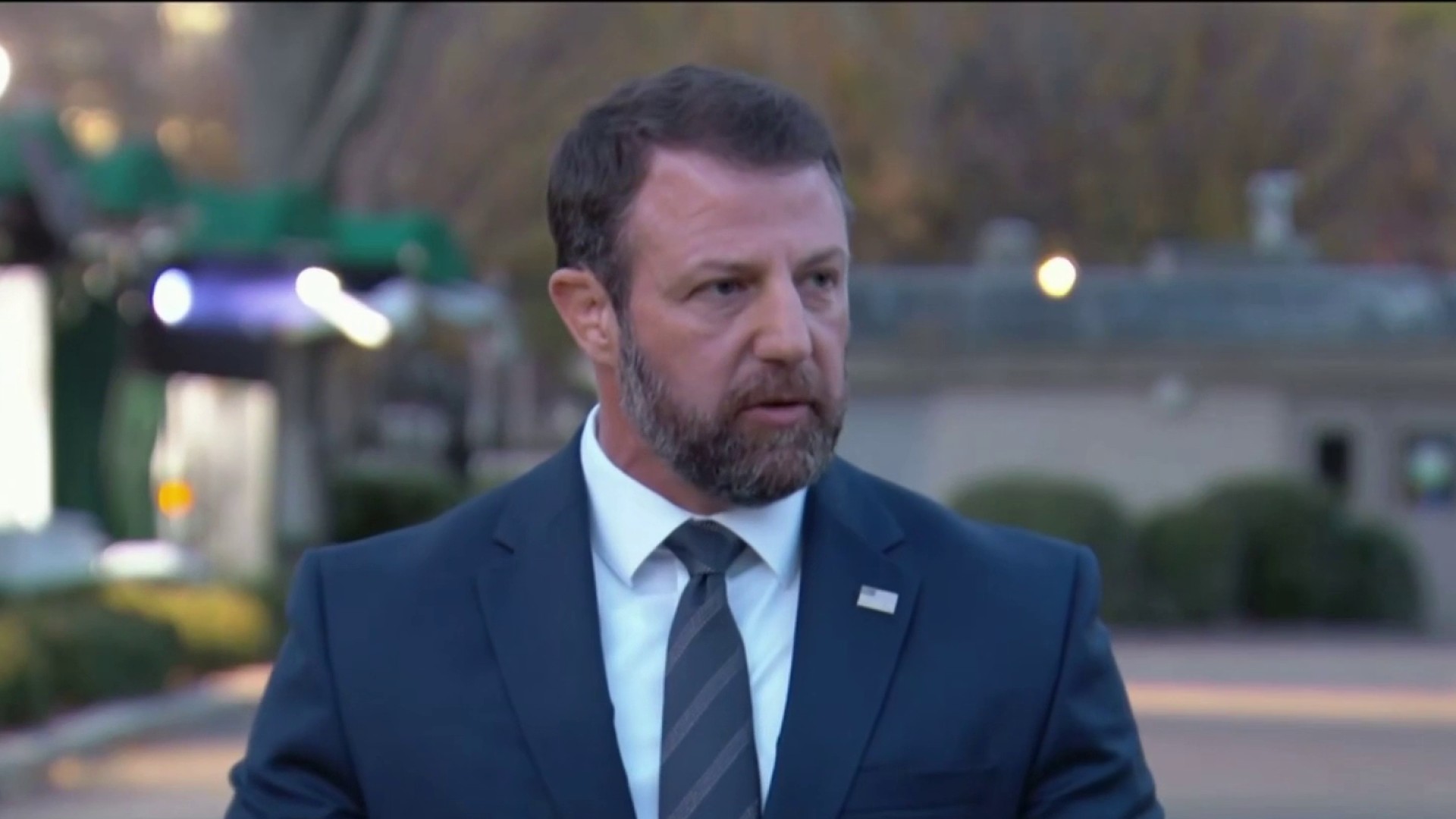
During a news conference, Homeland Security Secretary Markwayne Mullin confirmed that the Department of Homeland Security is collaborating with other federal agencies to investigate the potential link between the AI system and the telecommunications disruption.
Mullin emphasized that there is no threat to the public, describing the situation as a telecommunications issue. He stated, “That’s part of something that obviously through CISA at DHS we’re taking a look,” indicating ongoing scrutiny of the new technology.
The FAA's SMART system aims to improve efficiency and reduce delays by utilizing real-time data, including weather conditions and flight paths. The rollout began in September, with plans for further expansion.
Despite the investigation, officials have not confirmed that the AI system caused the disruption. The FAA has stated that technicians are actively investigating the communications failure affecting air traffic control centers nationwide.3
“The SMART system merges about 200 data streams onto a single platform to anticipate airspace constraints. Homeland Security Secretary Markwayne Mullin said DHS is working with other agencies, but stressed there is no threat to the public and the issue is telecommunications-related.”


 Click2Houston