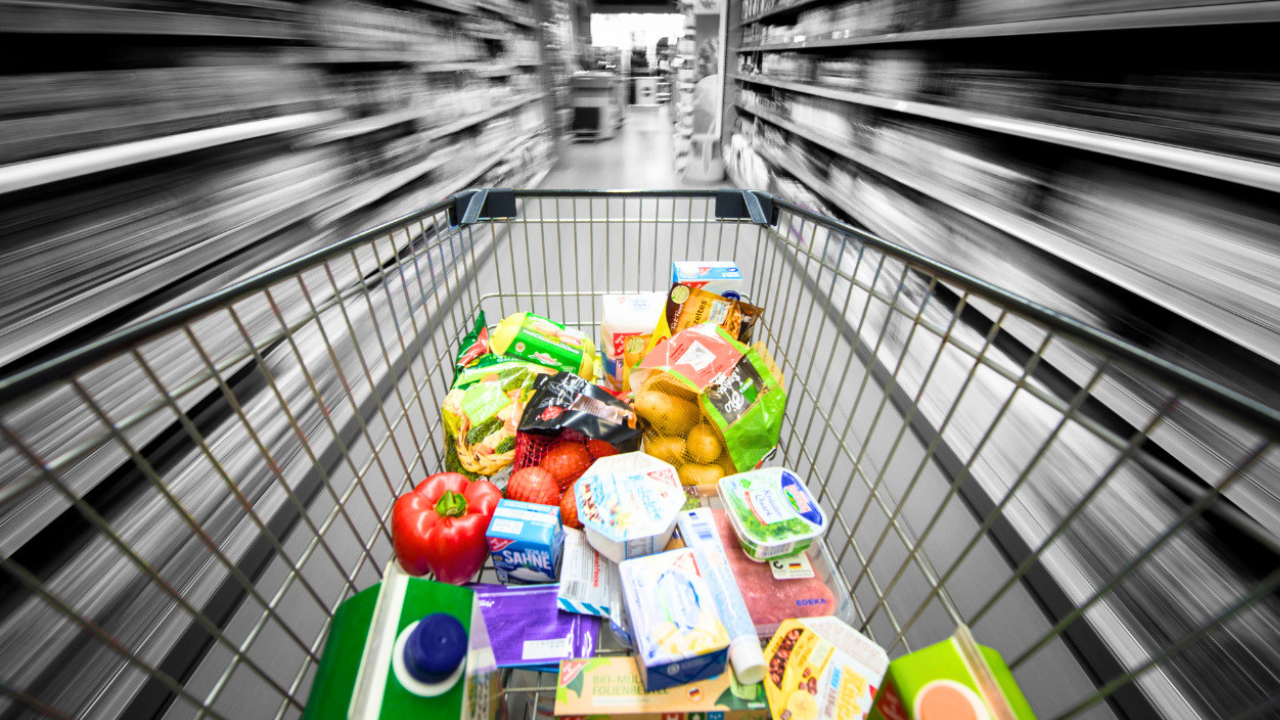
- Experts warn NYC Mayor Zohran Mamdani's plan to open several city-backed grocery stores could hurt bodegas, drain taxpayer dollars and undercut private businesses.
- Richard Stern, vice president of the Plymouth Institute for Free Enterprise, argued the proposal ultimately relies on taxpayer dollars to make up the difference between the discounted prices and the cost of operating the stores.
- Adam Lehodey, a policy analyst at the Manhattan Institute, stated that the 30% savings announced on government-owned stores are an illusion and that taxpayers will foot the bill for millions of dollars in subsidies.
- E.J. Antoni, chief economist at the Heritage Foundation, questioned whether the city's pricing model is financially sustainable, arguing that grocery stores already operate on razor-thin profit margins.
Experts warn that NYC Mayor Zohran Mamdani's grocery store initiative could harm local bodegas and burden taxpayers. Critics argue that the plan, which aims to save New Yorkers about $1,000 annually, relies heavily on taxpayer funding to subsidize discounted prices.
Richard Stern, vice president of the Plymouth Institute for Free Enterprise, stated, "They're just going to use New York City budget money to insure the discount," highlighting concerns over the financial sustainability of the project.
Lehodey criticized the proposed 30% savings as an illusion, asserting that "Taxpayers will foot the bill for millions of dollars in subsidies" while still paying full prices indirectly. He emphasized that the initiative could lead to losses for taxpayers due to the low profit margins of grocery stores.4567
Antoni echoed these sentiments, stating, "These artificially low prices will also harm small businesses which will lose sales to taxpayer-subsidized grocery stores." The city plans to open five municipal grocery stores, with the first set to debut in the Bronx by the end of 2027, raising questions about the long-term impact on local economies and businesses.
Mamdani's office maintains that the initiative will provide significant savings, with an average of $90 per month for visitors, but experts remain skeptical about the feasibility and consequences of the plan.
“Richard Stern from the Plymouth Institute argues that the grocery plan relies on taxpayer dollars to cover the difference between discounted prices and operational costs. Adam Lehodey of the Manhattan Institute claims the announced 30% savings are an illusion, stating that taxpayers will ultimately bear the financial burden through subsidies.”

 Fox News



