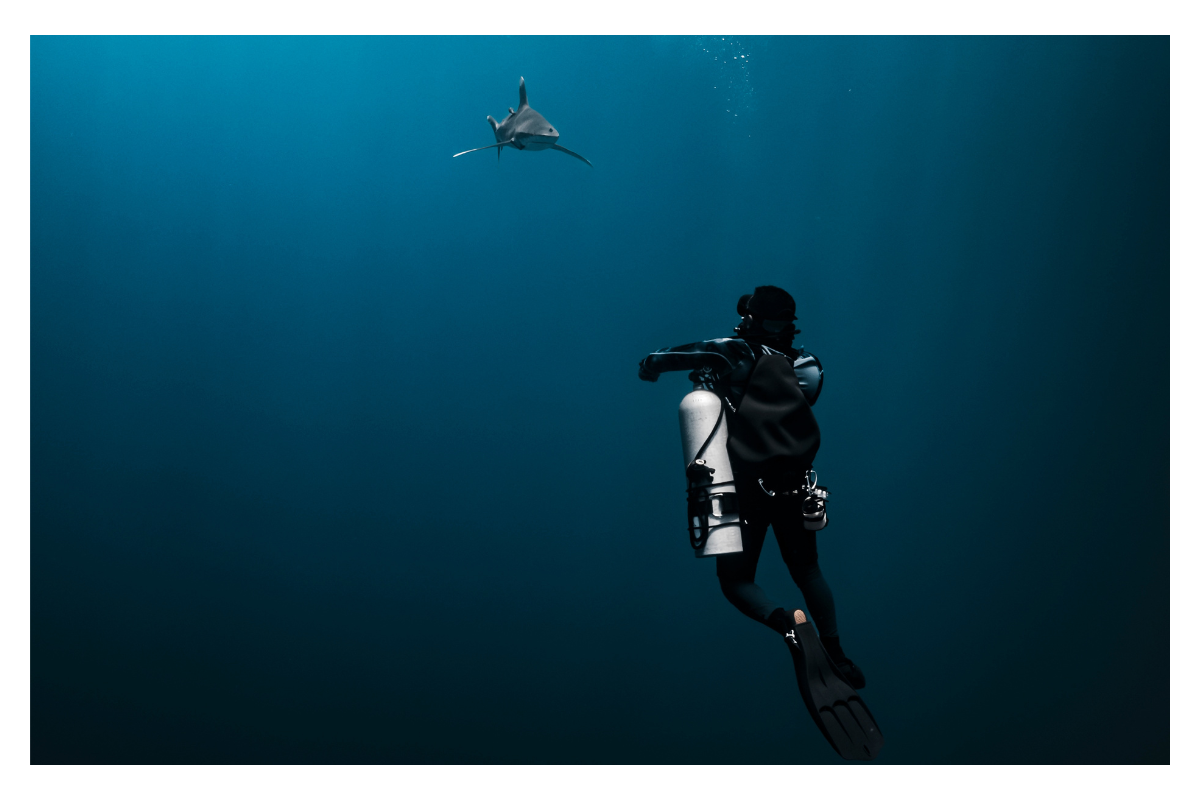
- More and more people are posting footage of themselves touching sharks or even riding them.
- There have been incidents in which people taking footage of themselves swimming and diving with sharks have been bitten.
- The organisation has seen an increase in the past three years of people being attacked while trying to capture footage.
- Close contact with humans can weaken sharks' immune systems and may even increase the chance of death.
- A study published last year on sharks in French Polynesia found around 5% of recorded bites appeared to be a result of self-defence because of close human contact.
- Dr. Eric Clua stated, “These bites are simply a manifestation of survival instinct, and the responsibility for the incident needs to be reversed.”
- Kristian Parton remarked, “You wouldn’t walk into the Serengeti and put your hand on the face of a lion.”
Experts are increasingly concerned about the rising number of shark bites, attributing the trend to social media influencers who engage in dangerous interactions with these animals.
More individuals are posting videos of themselves touching or riding sharks, leading to a spike in incidents. In the past three years, there has been a notable increase in attacks on people attempting to capture footage with sharks.23
Dr. Eric Clua, the lead researcher on a recent study, stated, “These bites are simply a manifestation of survival instinct, and the responsibility for the incident needs to be reversed.” This sentiment is echoed by shark scientist Kristian Parton, who cautions against reckless behavior, stating, “You wouldn’t walk into the Serengeti and put your hand on the face of a lion.”67
The close contact with humans can weaken sharks' immune systems and increase their chances of death, further complicating the relationship between humans and these apex predators.4
A study published last year on sharks in French Polynesia found that around 5% of recorded bites were due to self-defense triggered by close human interaction.
As the trend of risky shark interactions continues, experts urge a reevaluation of human behavior in these encounters to prevent further incidents.
“A study found that around 5% of recorded shark bites were due to self-defense from close human contact, highlighting the dangers of influencer interactions. Kristian Parton emphasized the absurdity of such behavior, stating, “You wouldn’t walk into the Serengeti and put your hand on the face of a lion.””
 The Guardian