- Leading climate scientists are urging Andy Burnham to unequivocally reject new drilling in the North Sea.
- Approving new drilling would signal that the UK is backtracking on its international climate commitments.
- Experts who helped Burnham draw up Manchester carbon neutral pledge say backtracking would send wrong message amid wildfires and heatwaves.
- Prof Kevin Anderson and scientists from the Tyndall Centre expressed concern over reports suggesting approval for the Rosebank and Jackdaw oilfields.
- The letter urged Burnham to adhere to commitments made when announcing the Greater Manchester carbon neutral by 2038 policy.
- The scientists emphasized that future generations will judge governments based on their actions regarding fossil fuel production.
- Drilling in the North Sea would do almost nothing to cut our energy bills as most estimates say it would be in the region of £16 to £82 a year per household at the very most.
- The academics stated that global emissions must be cut by 8% every year to meet the Paris climate agreement's upper limit of 2C.
- The scientific evidence has strengthened since earlier commitments were made, with global temperatures already at the lower limit of the Paris Agreement's range.
- Approving further development of oil and gasfields cannot be reconciled with the UK’s commitment to international climate obligations.
- Any approval of new drilling would send the wrong signal to the world regarding the UK's climate obligations.
Experts are urging Manchester Mayor Andy Burnham to reject new North Sea drilling, warning it would undermine climate commitments amid rising global temperatures.
Leading climate scientists, including Prof Kevin Anderson from the Tyndall Centre, expressed concern over reports of potential approvals for the Rosebank and Jackdaw oil and gas fields.
"The scientific evidence has only strengthened since those earlier commitments were made," the letter stated, highlighting the urgency of cutting global emissions by 8% annually to meet the Paris Agreement's 2°C limit.
The scientists emphasized that approving new drilling would send a "wrong signal" globally, suggesting the UK is willing to step back from its climate obligations.21314
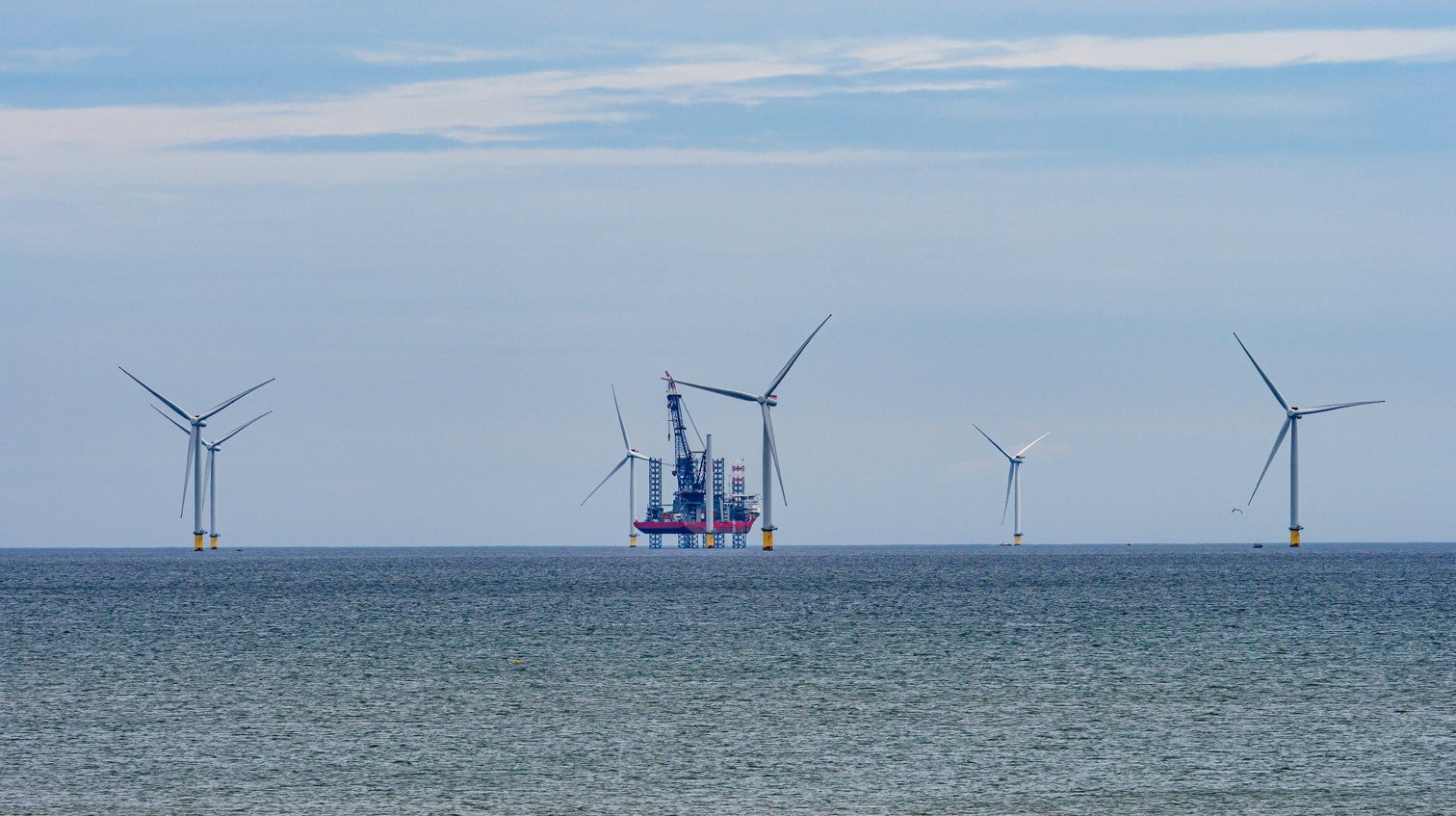
"Future generations will not judge governments by the ingenuity with which they justified expanding fossil fuel production," they warned.
Drilling in the North Sea is projected to have minimal impact on energy bills, with estimates suggesting a maximum annual saving of £82 per household, compared to potential savings of £400 through renewables.
Currently, the North Sea accounts for only 0.11% of global gas reserves and 0.08% of oil reserves, with most of its resources already extracted.
The UK government has historically sold off drilling rights, missing out on significant potential revenue, while countries like Norway have successfully transitioned away from fossil fuel dependency.
“Leading climate scientists emphasize that approving new drilling would contradict the UK's international climate obligations, as global emissions must be cut by 8% annually to meet the Paris Agreement's targets. They also highlight that drilling in the North Sea would do little to reduce energy costs, with potential savings from renewables far exceeding any benefits from new oil extraction.”
 The Guardian
 The Eco Experts



