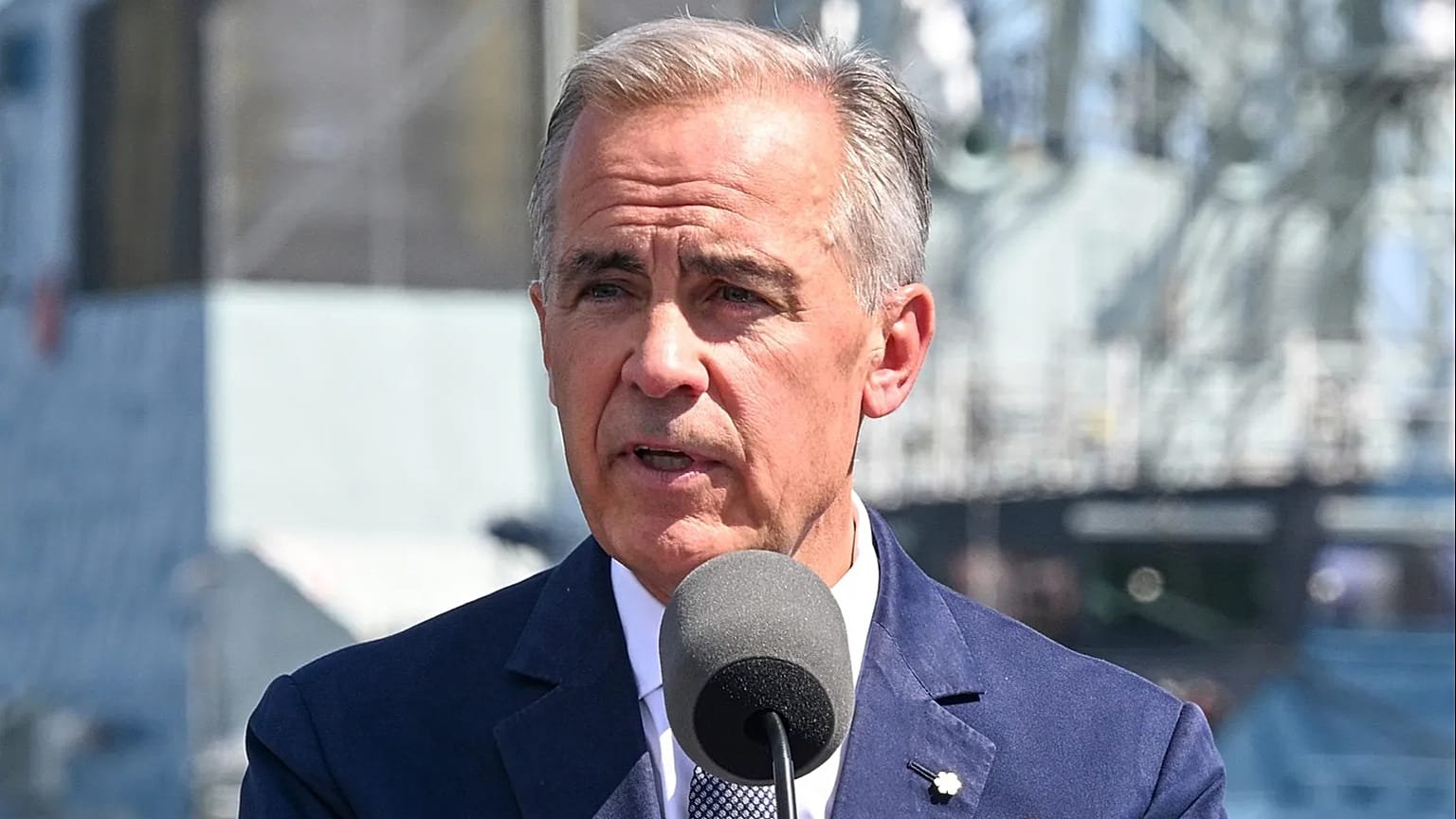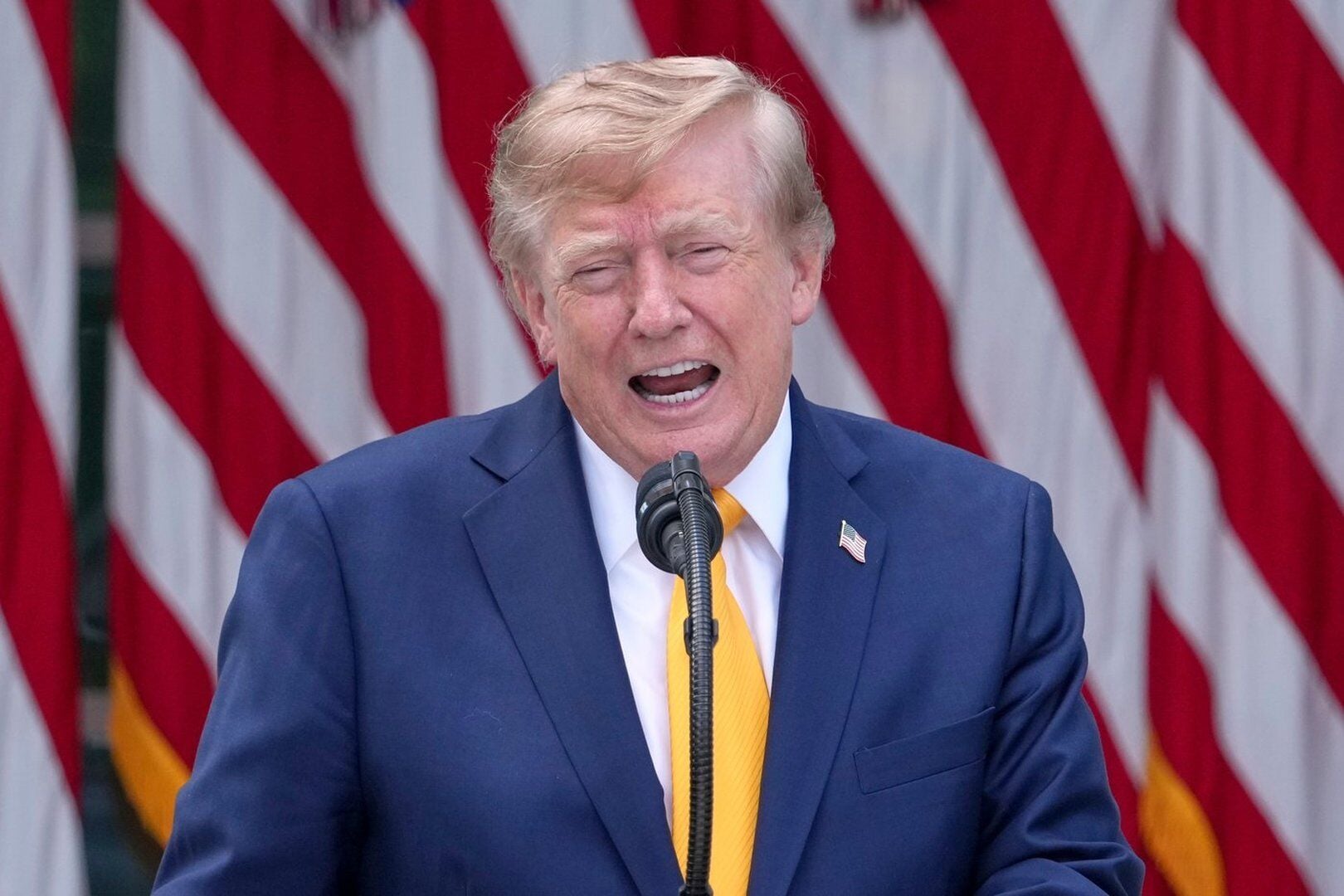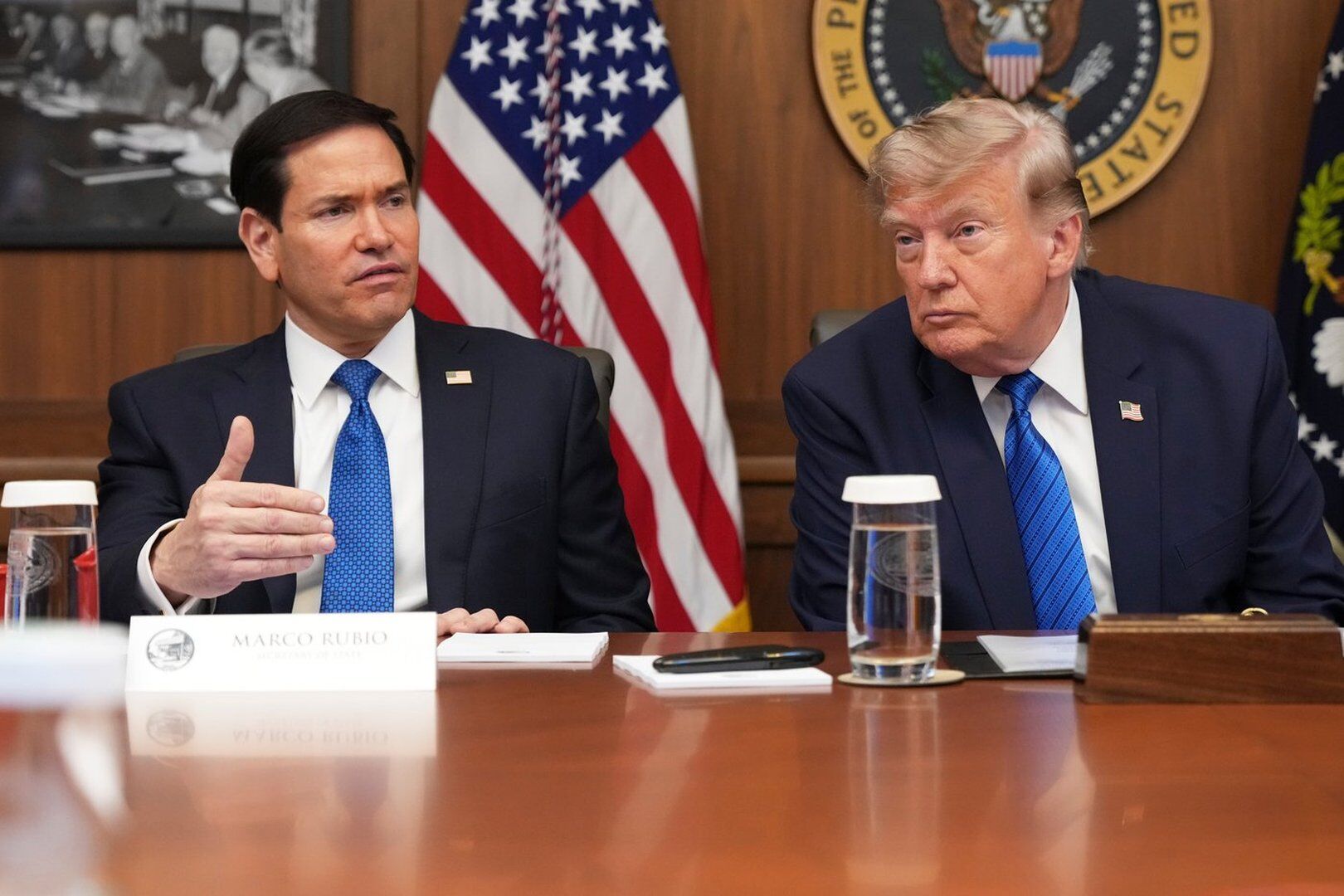
- Trump’s new 50% tariffs took effect over the weekend, and Prime Minister Mark Carney said trade talks broke apart because the U.S. demanded too much while offering little in return.
- Foreign Minister Mélanie Joly announced support for small businesses, including $500 million in interest-free loans from the BDC, with no repayment for 36 months available even after Trump leaves office.
- Experts say U.S. tariffs are likely to persist beyond the Trump administration, with Aaron Ettinger of Carleton University stating, “I don’t see this changing any time soon. I don’t think this goes away magically when Trump exits the White House.”
- Even if Democrats take control of Congress in 2026, tariffs may remain because they have a legal foundation, and Trump could veto any attempts to repeal them.
- Businesses have already adapted to tariffs, and reversing them would be unrealistic and take a long time, with cascading effects even after Trump leaves office.
Experts predict that U.S. tariffs on Canada will likely endure beyond President Trump's term, with new 50% tariffs already in effect. Political science associate professor Aaron Ettinger emphasizes, “I don’t see this changing any time soon... it’s wishful thinking to think we can hold our breaths.”56
The recent tariffs were implemented as trade negotiations faltered, with Prime Minister Mark Carney noting that the U.S. demands were excessive and offered little in return. “Canada needs to be prepared for a tariff regime coming from the United States that continues beyond the Trump administration,” he stated.12
A report from Deloitte indicated that businesses are hesitant to invest due to the uncertainty surrounding tariffs, which could impact hiring and expansion plans. “Businesses on both sides of the border have already adapted to the tariff system,” Ettinger remarked, highlighting the challenges of reverting to a pre-Trump trade environment.
Even if the political landscape shifts, “these tariffs are going to have cascading effects and echoing effects all down the line,” Ettinger warned. The potential for a Democratic-controlled Congress to alter tariff laws exists, but it would require cooperation from Trump, who is unlikely to concede power. “It’d be very easy for any subsequent president to use the legislation that Trump has used to impose these tariffs to get rid of them probably literally overnight,” said Prof. Asa McKercher.
As the U.S. approaches midterm elections, the future of these tariffs remains uncertain, but experts agree that Canada must brace for a prolonged period of trade challenges.
“Carleton's Aaron Ettinger warns that even a Democratic Congress in 2026 may not reverse tariffs, as they have a legal foundation and Trump could veto repeal. Meanwhile, Canada's BDC offers $500 million in interest-free loans, with no repayment for 36 months, to help small businesses adapt.”
 Global News