- The co-pilot requested and received clearance to ascend from 35,000 to 37,000 feet after reporting sub-zero temperatures and ice forming on the hull, which may have contributed to accelerating the stall.
- Pilots faced two bad options: ascend and risk a stall, or dive into the storm.
- Aviation expert and CEO of Jettly, Crabbe, stated that the pilots should have gone around [the storm], saying, "They certainly should have gone around [the storm]."
- Crabbe noted that air-traffic control gave the pilots flexibility to deviate around the weather, but he suspects they were eager to reach the Bahamas, a behavior known as 'get-there-itis'.
- The crash resulted in the death of co-pilot Nathalia Filgueiras.
- Zachary S. Gorwitz, an aviation lawyer, called it a 'perfect storm of trouble', citing turbulence, icing, precipitation, and rapidly forming tall thunderstorms.
- Gorwitz noted that the 20-year co-pilot was the one on the radio, suggesting the pilot was at the controls.
- Crabbe acknowledged the difficulty of the situation, saying, "It’s extremely easy to say this from the ground and from a position of safety."
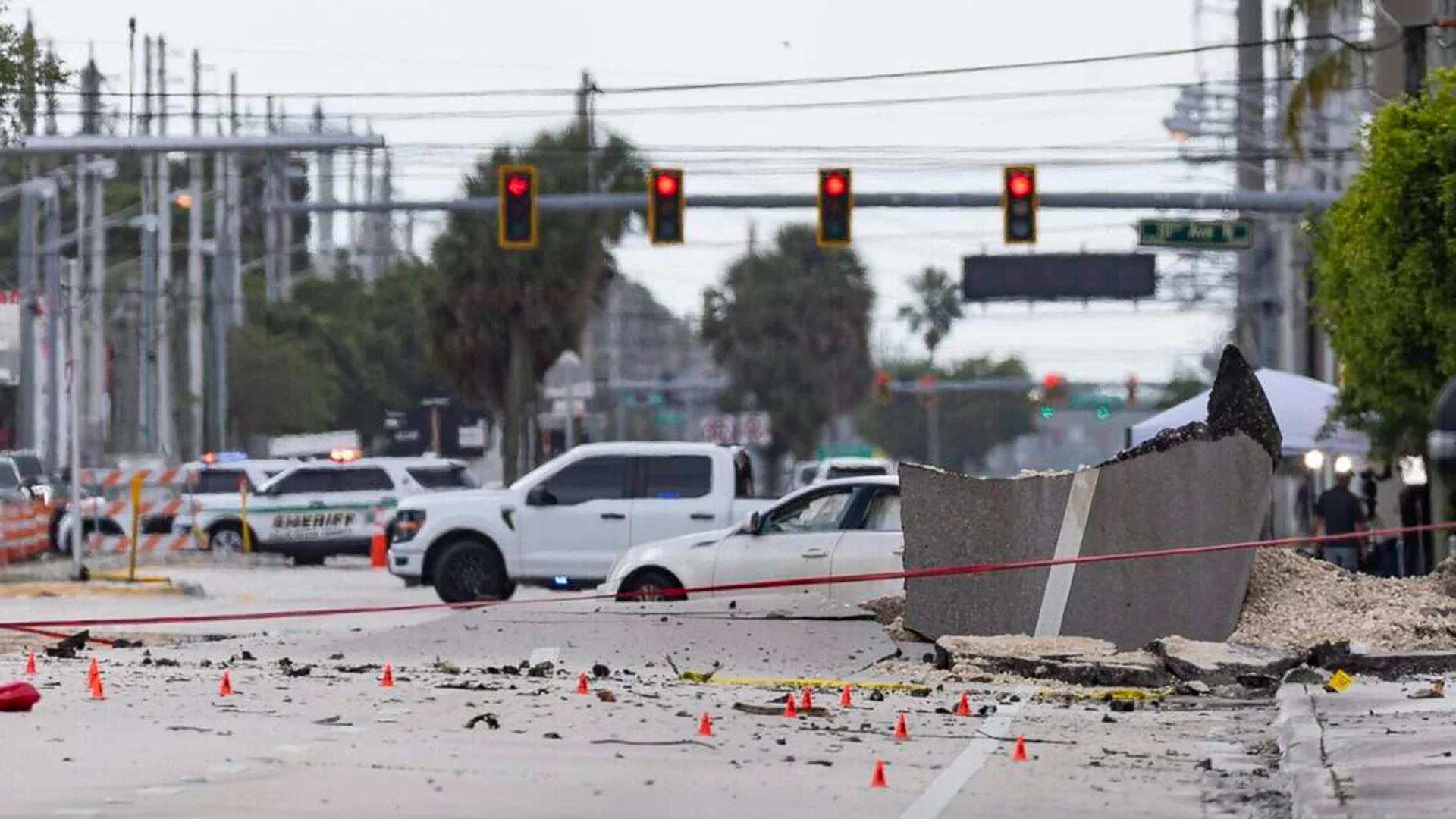
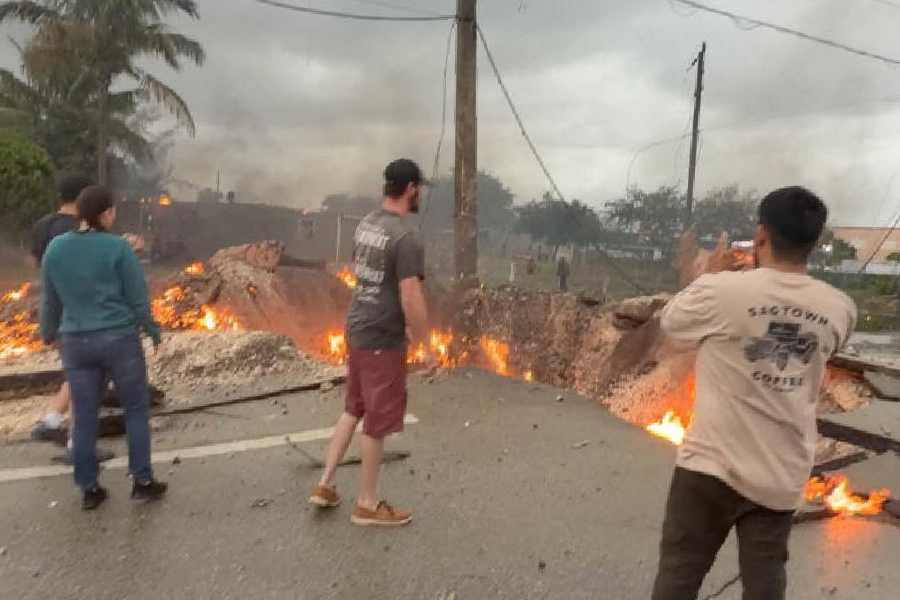
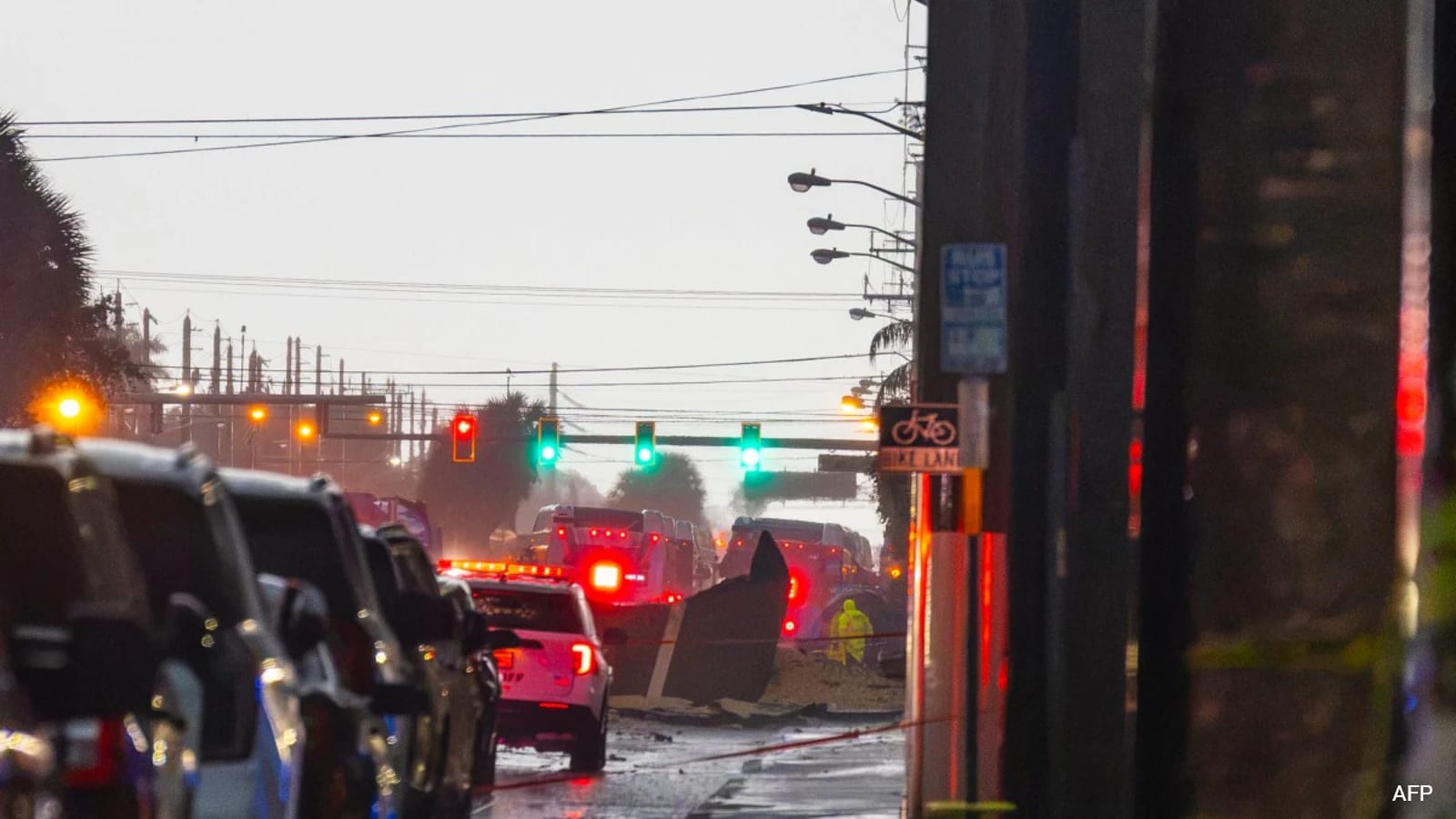
Experts believe that the pilots of a Florida Learjet should have circumnavigated a storm before a crash that resulted in the deaths of co-pilot Nathalia Filgueiras and six others.8
Veteran pilot and CEO of Jettly, Crabbe, stated, “They certainly should have gone around [the storm].” He noted that air traffic control had provided the pilots with the option to deviate from their flight path due to adverse weather conditions.5
“It’s a theory called ‘get-there-itis,’ and flight schools teach you this very early on,” Crabbe explained, emphasizing the psychological pressure pilots may feel to reach their destination.
The crash occurred when the plane, which had ascended to 37,000 feet to avoid foul weather, encountered severe icing and turbulence.4
Aviation lawyer Zachary S. Gorwitz described the situation as “the perfect storm of trouble,” citing the combination of turbulence, icing, and rapidly forming thunderstorms.910
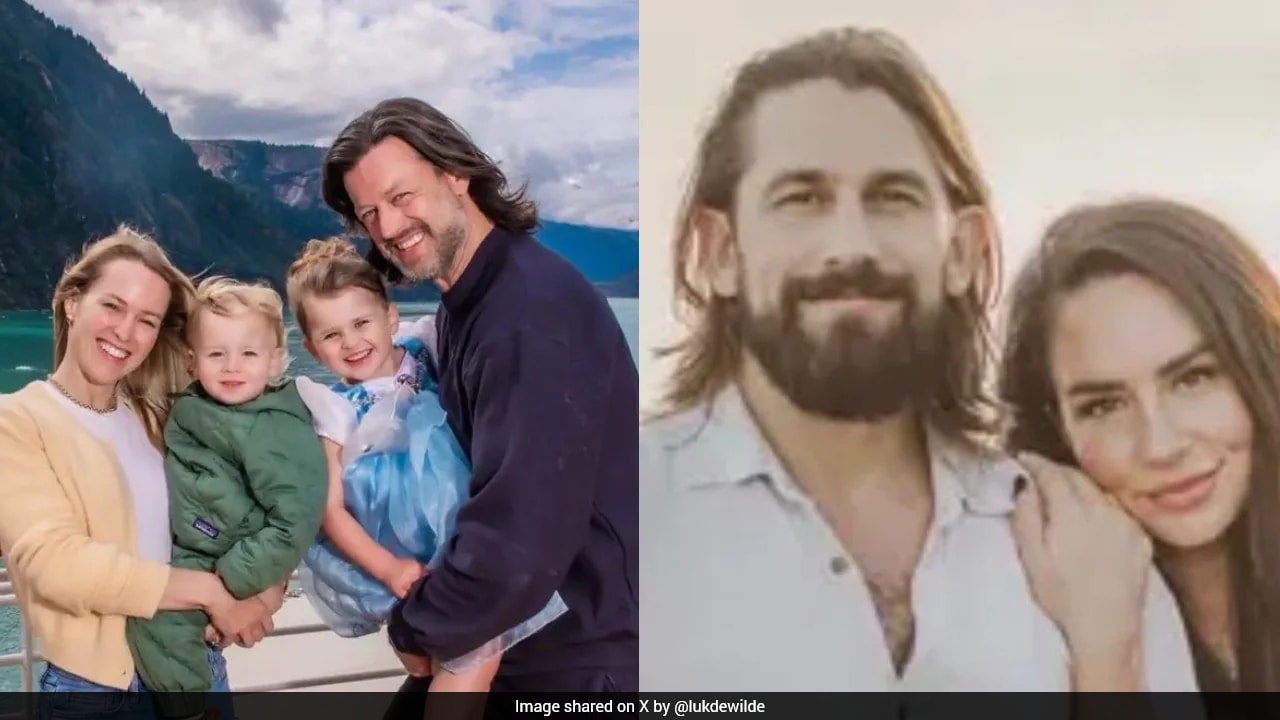
The tragic incident claimed the lives of entrepreneur Adam Robinson, his family, and their nanny, highlighting the dire consequences of pilot decision-making in critical situations.
“At that point, I’m sure the pilot was trying to pull back on the controls and get the nose up, but I’m sure at that speed and that angle, it just wasn’t possible,” Gorwitz added, underscoring the challenges faced by the pilots during the flight.
“Co-pilot requested ascent to 37,000 feet after reporting ice on the hull, a move that may have accelerated the stall. Aviation lawyer Zachary S. Gorwitz called it a 'perfect storm of trouble,' citing turbulence, icing, and rapidly forming tall thunderstorms.”