- Co-pilot Nathalia Filguieras, 20, reported an "overspeed" condition to air traffic controllers, and investigators will try to decipher what prompted it.
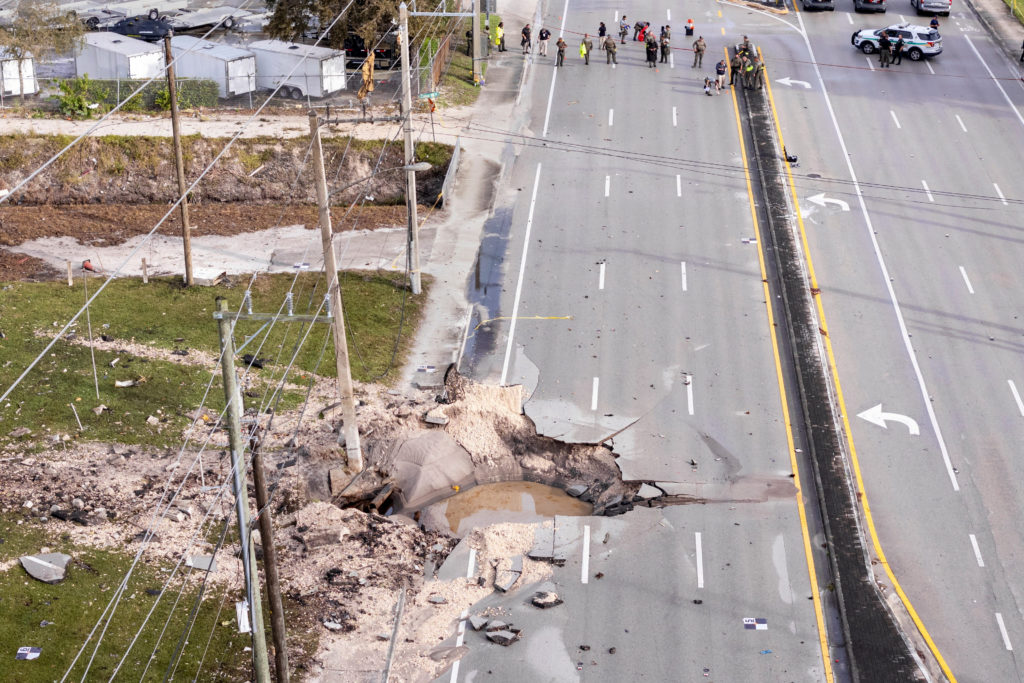
- The Learjet crashed nose-down in Florida, killing nine people.
- The horizontal stabilizer, a movable control surface, was recovered in three pieces within one to four miles of the crash site, a "huge clue" according to Robert Joslin, University’s College of Aviation.
- Experts raise concerns about "Mach tuck", an infamous nose-down flying condition, where aerodynamic changes cause the nose to tuck down in a position that's difficult to recover from.
- The weather, including a thunderstorm that rapidly reached up to 40,000 feet, and ice buildup are major questions in the investigation.
- An FAA directive noted that a Learjet could have "marginal controllability" when reaching above maximum suggested speeds, and a structural failure could result in loss of control.
Experts investigating the Learjet crash that killed nine people on November 1 have uncovered significant clues that may explain the tragedy. The aircraft, which was bound for the Bahamas, plunged to the ground at over 300 mph, resulting in a catastrophic explosion.3
Among the critical findings is a mayday transmission from co-pilot Nathalia Filguieras, who reported experiencing 'overspeed' just before the crash. This condition occurs when an aircraft exceeds its safe speed limits, raising questions about what led to this alarming situation.12
Additionally, debris from the aircraft's movable control surface on the horizontal stabilizer was recovered in three pieces within one to four miles of the crash site. Experts, including Robert Joslin from the University’s College of Aviation, described this as a 'huge clue' in understanding the events leading up to the crash.45
Investigators are now examining whether the Learjet encountered a 'Mach tuck', a phenomenon where aerodynamic changes cause the nose to pitch downward, making recovery nearly impossible. This concern is heightened by reports of icing on the aircraft and severe turbulence from a thunderstorm over Palm Beach County, which may have contributed to the loss of control.
Historically, similar incidents have occurred, with the NTSB noting two comparable nose-down crashes in the early 1980s attributed to exceeding Mach limits. The FAA has previously warned that Learjets could exhibit 'marginal controllability' at high speeds, emphasizing the need for thorough inspections to prevent such tragedies in the future.
“The horizontal stabilizer, a movable control surface, was recovered in three pieces within one to four miles of the crash site, a 'huge clue' said Robert Joslin. Investigators will analyze whether a thunderstorm reaching 40,000 feet or ice buildup contributed to the loss of control.”