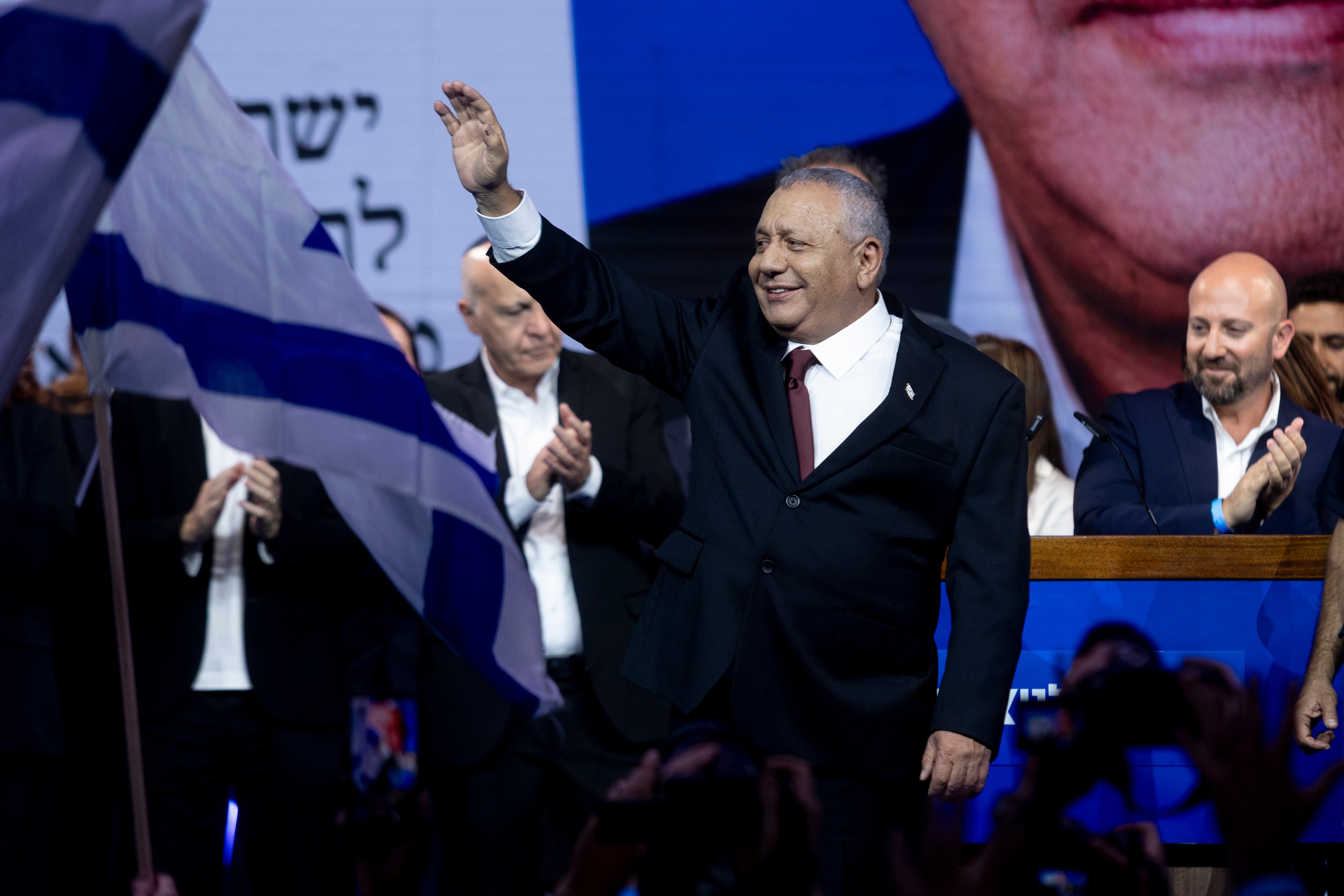
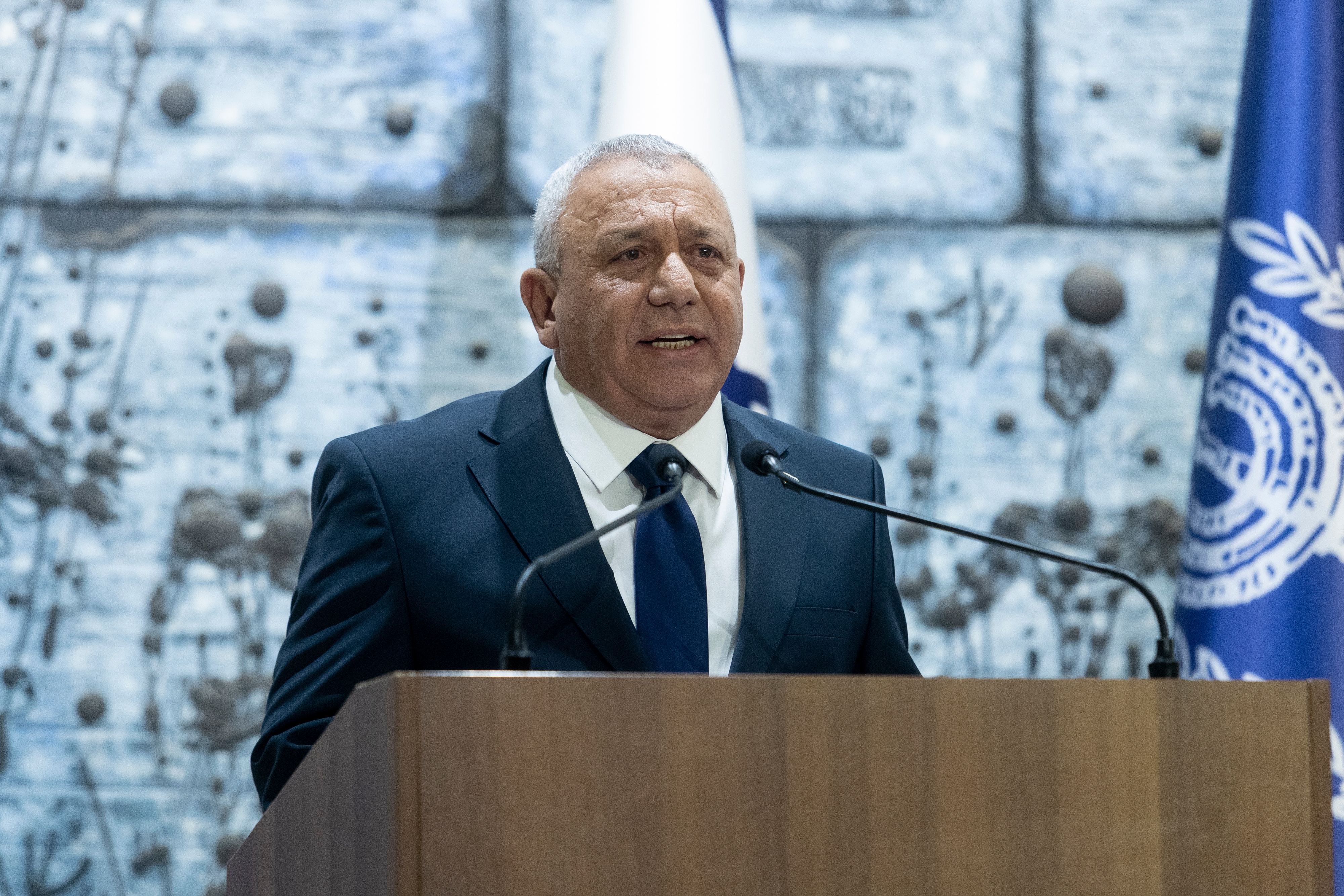
- Gadi Eisenkot, the ex-military chief, is seeking to form a new Israeli government and is eyeing a potentially controversial alliance with ultra-Orthodox Jewish parties to oust Prime Minister Benjamin Netanyahu.
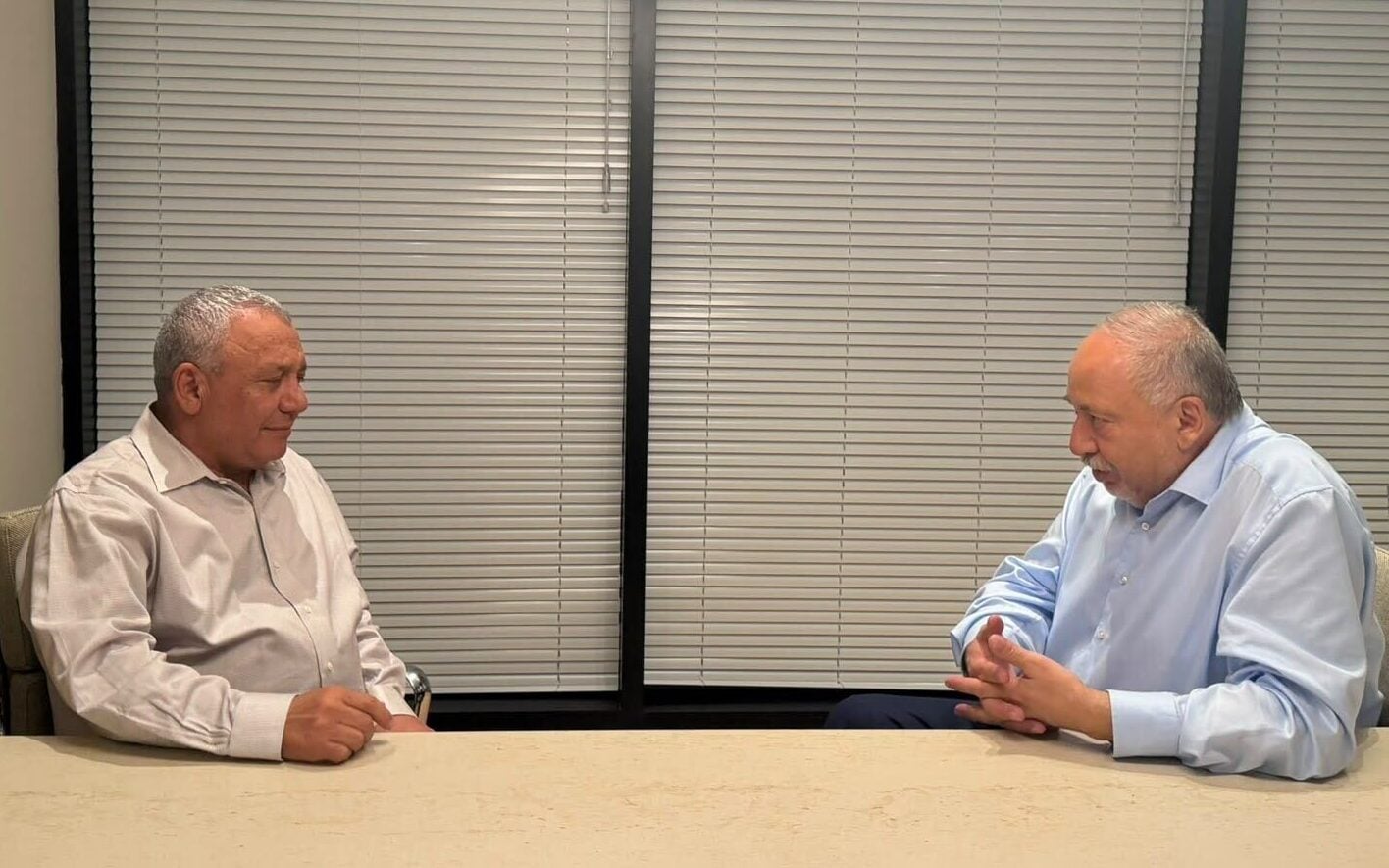
- During a meeting earlier today, Eisenkot and Avigdor Liberman agreed to open discussions with Haredi parties.
- Leaders of the opposition bloc have agreed to open talks with Shas and United Torah Judaism (UTJ), offering a softened military draft law in exchange for their support.
- UTJ has expressed interest in negotiating but has not yet been officially approached, with reports indicating that talks are still at an early stage.
- UTJ abstained from recommending a prime minister during last week's consultations with President Isaac Herzog, despite its alignment with Netanyahu's Likud.
- Ultra-Orthodox parties are expected to seek a transitional arrangement lasting one to 18 months to negotiate a broader draft framework, during which there would be no meaningful enlistment or sanctions for draft dodgers.
- The parties are also seeking assurances from legal authorities that any arrangement would pass legal scrutiny, indicating that legislation may be necessary.
- UTJ would not simply abstain to allow an Eisenkot-led government to take office without negotiating terms first.
Ex-military chief Gadi Eisenkot is navigating the complexities of forming a coalition to unseat Prime Minister Benjamin Netanyahu. Eisenkot is considering an alliance with ultra-Orthodox parties, specifically Shas and United Torah Judaism, who are open to negotiations regarding military draft laws.12378
In recent discussions, Eisenkot and Yisrael Beytenu chairman Avigdor Liberman initiated talks with the Haredi parties, aiming to secure their support for a government led by Eisenkot. Reports indicate that the opposition is willing to offer a softened military draft law as a concession.
According to sources, senior rabbis in UTJ are interested in negotiating terms for joining Eisenkot's coalition, although no formal talks have commenced yet. The ultra-Orthodox parties are seeking a transitional arrangement lasting one to 18 months, during which there would be no significant enlistment or penalties for draft dodgers.
Despite the ongoing negotiations, Channel 12 reports that discussions are still in the early stages, with no guarantees of a deal being finalized soon. The ultra-Orthodox parties are also looking for legal assurances regarding the proposed arrangements, indicating that legislative action may be necessary.
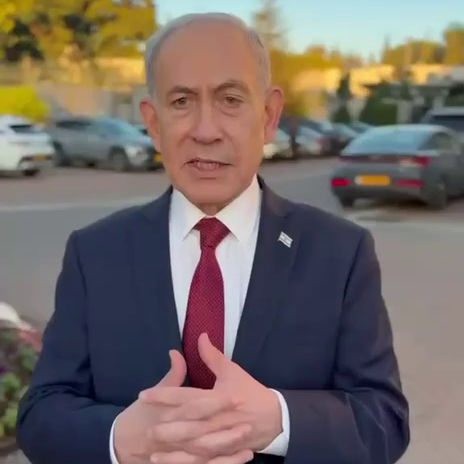
In a recent consultation with President Isaac Herzog, UTJ abstained from endorsing any prime ministerial candidate, highlighting their complex relationship with Netanyahu, who has attempted to engage with UTJ leaders but faced rejection.6
“Talks remain preliminary, with UTJ yet to be officially approached and Channel 12 reporting early-stage discussions. Ultra-Orthodox parties are expected to seek a transitional arrangement of one to 18 months, requiring legal assurances from Attorney General Gali Baharav-Miara.”