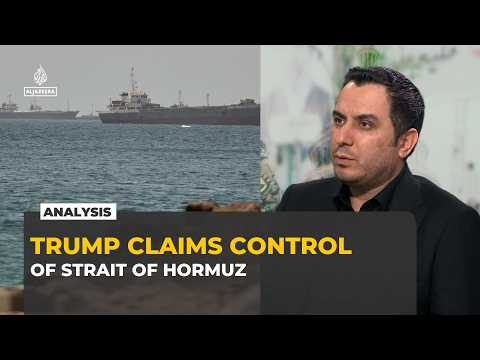
- US naval blockade of Iran remains in effect, barring ships from Iranian ports and strangling Iran's cashflow, while the strait normally carries 20% of the world's oil and a higher proportion of critical natural gas.
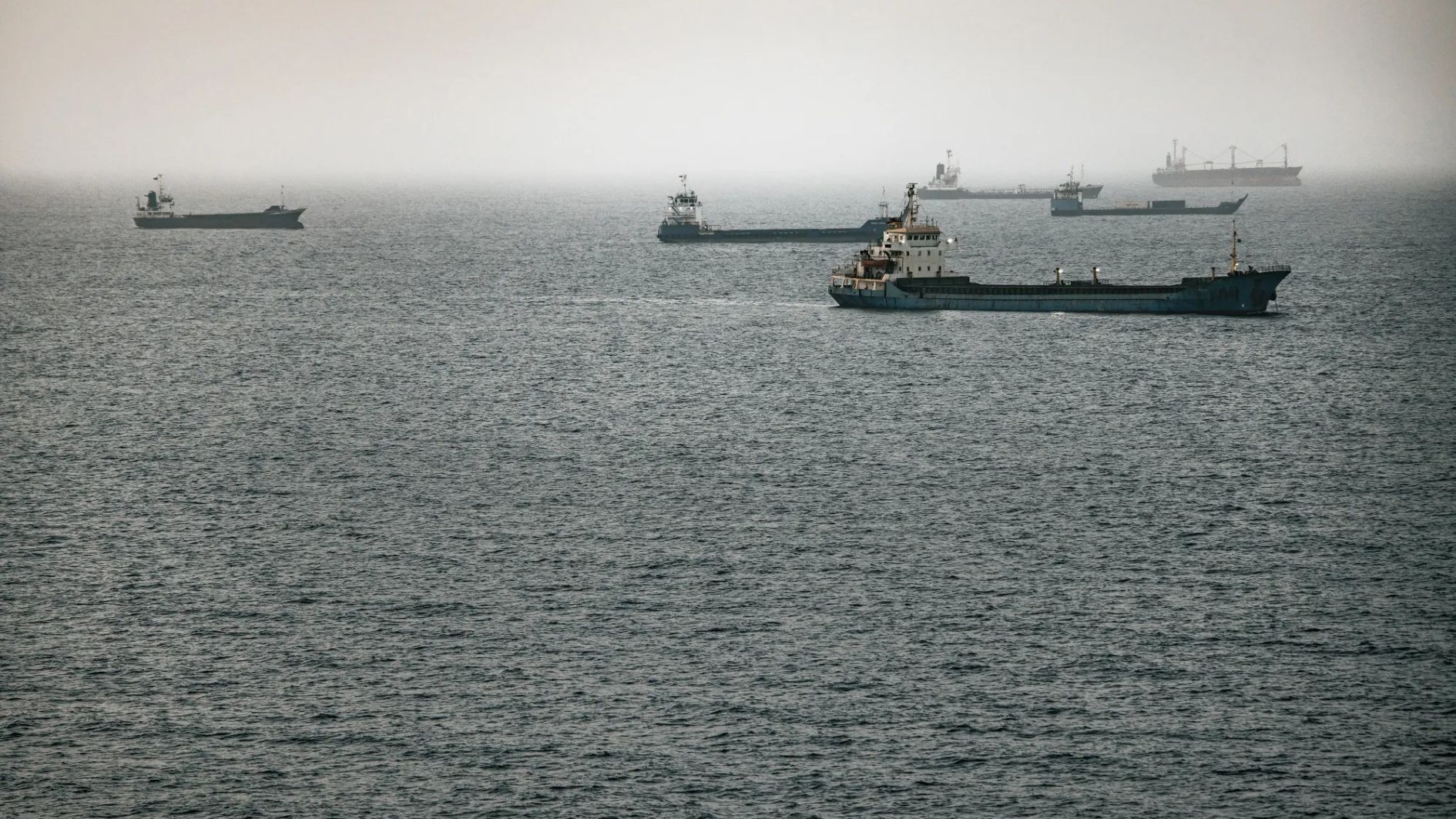
- Traffic through the strait has plummeted: only 14 vessels crossed on Tuesday compared with roughly 120 daily before the war, largely because few shipping companies are confident the US can ensure safe transit.
- Attacks and harassment are common: at least four Abu Dhabi National Oil Company vessels were attacked last week, and since the war began there have been 54 reports of damage, three total losses, and 13 near misses.
- Experts say neither side has full control, with Schuster stating, 'Until you can ensure safe use of the strait, you do not have total control,' and Leighton describing a standoff where neither side can exercise full control.
- Experts indicate the reality is more complicated than Trump’s proclamation, with ships fearing for their safety amid attacks and the looming threat of US-Iran strikes.
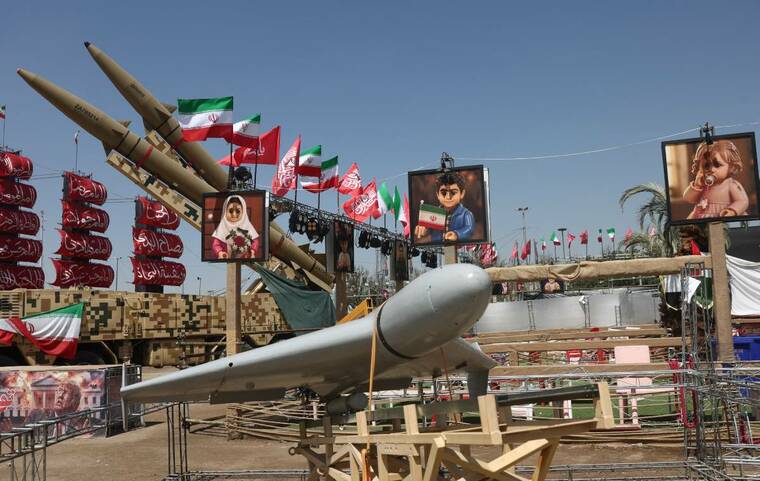
- Iran has advantages of proximity and a 'psychological and political upper hand,' and the strait’s closure has wreaked havoc on global economies, pressuring the US and potentially influencing midterm elections.
- The US retains a clear military and economic advantage with sanctions and frozen assets, but its forces are stretched thin, and its leverage is limited by staying power.
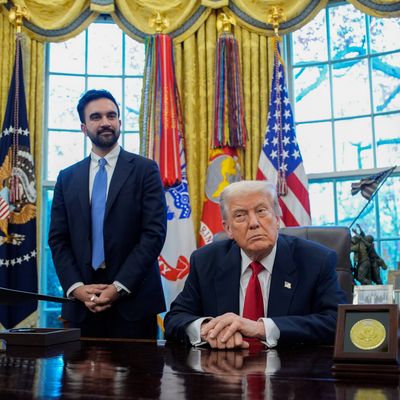
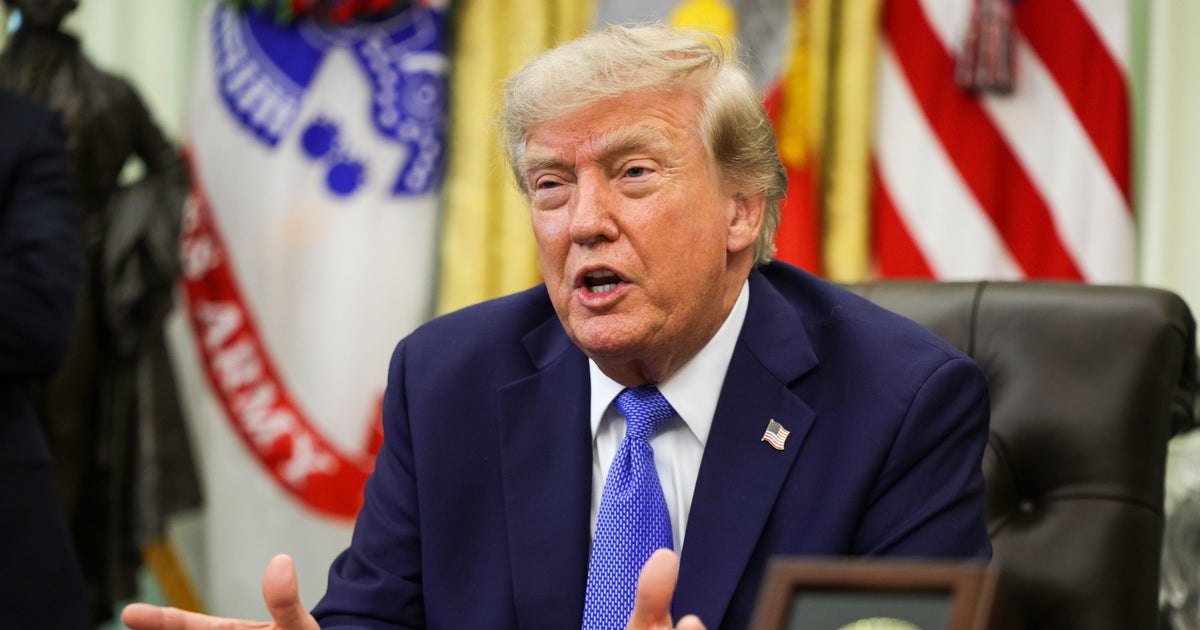
President Trump’s assertion of total U.S. control over the Strait of Hormuz is met with skepticism from experts, who highlight the ongoing threats to maritime safety amid U.S.-Iran tensions.
Trump stated, “We own it,” but experts argue that the reality is more nuanced. “Until you can ensure safe use of the strait, you do not have total control,” said Carl Schuster, a former director at the U.S. Pacific Command.
The strait is crucial for global oil and gas, carrying 20% of the world’s oil and a significant portion of natural gas. However, only 14 vessels crossed the strait on Tuesday, a stark contrast to the 120 ships that typically transit daily before the conflict escalated.
The U.S. naval blockade of Iran remains in effect, severely restricting Iranian maritime trade and impacting the region's economy. “The strait’s closure has wreaked havoc on global economies,” experts warn, as the U.S. faces pressure to ensure safe passage.
Despite military advantages, U.S. forces are described as “stretched pretty thin,” and any reduction in military presence could diminish U.S. negotiating power.
The situation remains precarious, with 54 reports of damage to vessels in the strait since the war began, highlighting the ongoing risks to shipping in this vital waterway.
“Only 14 vessels crossed the strait on Tuesday versus roughly 120 daily before the war, with at least four Abu Dhabi National Oil Company vessels attacked last week. Since the war began, there have been 54 reports of damage, three total losses, and 13 near misses, according to UKMTO.”