- India launched Operation Sindoor on May 7, 2025, in response to the Pahalgam terror attack that killed 26 people.
- On May 10, Pakistan's DGMO reached out to his Indian counterpart, leading to a ceasefire understanding.
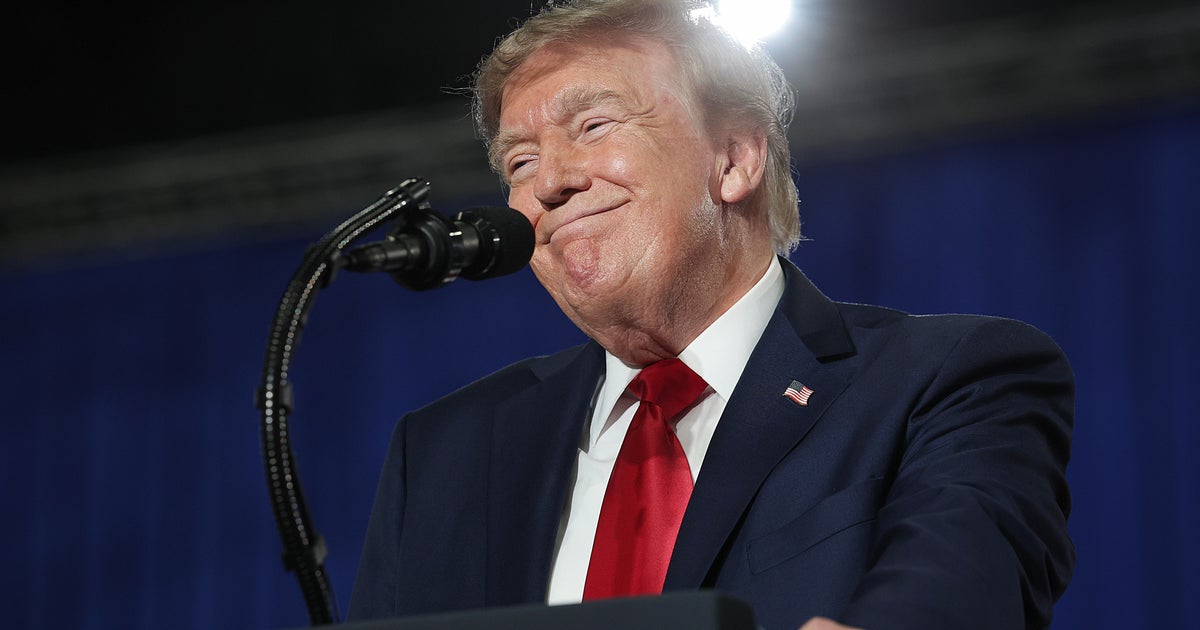
- Trump claimed US mediation of the ceasefire, which India rejected.
- Former CDS Anil Chauhan stated that a loitering munition may have hit Kirana Hills and emphasized that the ceasefire was decided directly between DGMOs, with no third-party role.
- Chauhan hinted that Pakistan may have leaked details of the ceasefire to the US.
- India's military confrontation with Pakistan escalated over several days, with both sides carrying out strikes and counter-strikes.
- Trump announced on social media that India and Pakistan had agreed to a full and immediate ceasefire after what he described as a 'long night of talks mediated by the United States'.
- India has disputed Trump's claims about the ceasefire mediation, stating that the understanding was reached directly between the two DGMOs.
Former Chief of Defence Staff Anil Chauhan addressed the potential leak of ceasefire details from Pakistan during a recent event, asserting, “How did this particular information get leaked out to the Americans that they tweeted before we could announce this? Again, I'm really not sure, but it didn't leak out from us.”56
Chauhan emphasized that the ceasefire was a direct agreement between the two Director Generals of Military Operations (DGMOs), stating, “So the ceasefire is decided between two DGMOs. And that's it.”
The ceasefire followed Operation Sindoor, initiated by India on May 7, 2025, in response to a terror attack that killed 26 people. On May 10, the two DGMOs reached an understanding to halt military action, with Chauhan noting, “I told you that they picked up the phone at about 9:30 and spoke.”2

Chauhan also discussed the possibility that a loitering munition may have struck the Kirana Hills, a site near Sargodha known for its nuclear facilities. He stated, “It must have come and hit one of those hills,” referencing images of smoke from the area shown by Pakistani media.
He highlighted India's operational success during the operation, attributing it to “better situational awareness and battlefield transparency,” and noted that the armed forces had received “clear political direction” to plan their operations effectively.
Chauhan also raised concerns about Pakistan's battlefield intelligence, particularly regarding its use of satellite imagery, suggesting that “commercial satellite imagery from Chinese companies was available to anyone.”
“Chauhan said the ceasefire was decided directly between the two DGMOs, with no role for anyone else, and questioned how the US learned of it before India's announcement. He also noted that India's operational success was driven by better situational awareness and clear political direction.”