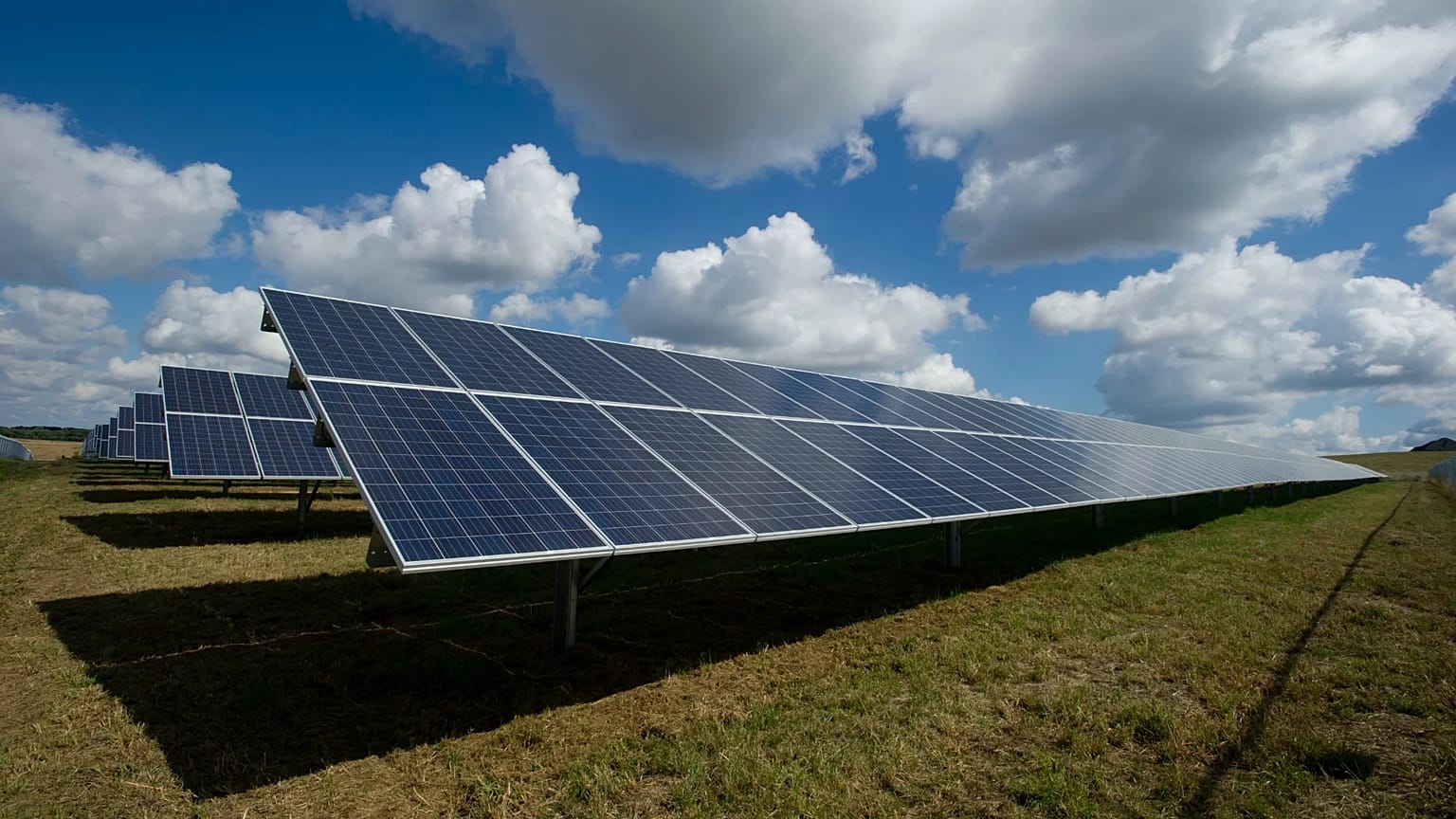
- The Dama Solar farm in Romania has received an establishment authorisation from the Romanian Energy Regulatory Authority (ANRE).
- Rezolv Energy is leading the Dama Solar project, which will be located in north-west Arad County, Romania, near the Hungarian border.
- The solar farm aims to begin commercial operation by 2030, making it the EU's largest operational solar farm, surpassing the Witznitz Solar Park in Germany.
- In 2022, Romania generated only 9.78% of its electricity from solar, below the EU average of 13.1%.
- The Dama Solar farm is expected to have an installed capacity of 1.24 GW and could produce up to 10.86 TWh of electricity per year, more than double Romania's current solar output.
- Even with a conservative average capacity factor of 15%, the farm could generate 1.63 TWh annually.
- The developers estimate that the plant's annual output could cover the consumption of over 280,000 households, or close to one million people.
- The project is also expected to create more than 500 new jobs over the next three years.
The Dama Solar farm, located in north-west Arad County, Romania, has received establishment authorization from the Romanian Energy Regulatory Authority (ANRE). This project, spearheaded by Rezolv Energy, aims to begin commercial operations by 2030, making it the EU's largest solar farm, surpassing the Witznitz Solar Park in Germany.12
With an installed capacity of 1.24 GW, the Dama Solar farm is projected to produce up to 10.86 TWh of electricity annually, more than double Romania's current solar output. Even at a conservative capacity factor of 15%, it could generate 1.63 TWh per year, covering the energy needs of over 280,000 households or nearly one million people.567

The project is expected to create over 500 new jobs in the next three years and will contribute significantly to Romania's 2030 renewable energy targets. Additionally, it will incorporate an 82-hectare nature reserve, one of the largest private-led nature restoration initiatives in Southeastern Europe, and will return much of the low-quality agricultural land to pasture, managed by grazing sheep.
Currently, Romania generates only 9.78% of its electricity from solar, below the EU average of 13.1%. The country relies heavily on hydropower, gas, and coal, with 24.3% of its electricity from hydropower in 2025, and significant contributions from gas (16.9%) and coal (15.2%).4
“The 1.24 GW project could generate up to 10.86 TWh annually, more than double Romania's current solar output. It will also create over 500 jobs and include an 82-hectare nature reserve, one of the largest private-led restoration initiatives in Southeastern Europe.”
 Euronews.com



