- Kaja Kallas announced plans to propose the most far-reaching sanctions listings against Russia this autumn, aiming to increase the total number of sanctioned entities by a third.
- The EEAS is expected to present the new sanctions list to EU countries in early September, with an aim to adopt them in October.
- EU sanctions have already cost Russia over 1 trillion euros ($1.16 trillion), according to Kallas.
- Since the start of Russia's full-scale invasion against Ukraine in 2022, the EU has approved 21 packages of sanctions targeting Russian political and military leaders, businessmen, oligarchs, and companies.
- The latest package was approved in July, imposing curbs on Russia's banking sector and cryptocurrency networks.
- Greece secured an exemption on Russian LNG transfers during negotiations for the latest sanctions package.
- The EU has sanctioned nearly 3,000 people and companies so far.
EU's Kaja Kallas announced that the bloc will propose its most extensive sanctions against Russia this autumn, aiming to increase the number of sanctioned entities by a third.1
The new sanctions are expected to target around 1,600 individuals and entities, primarily linked to the military-industrial complex. Kallas emphasized that “the pressure must keep growing until Moscow ends its war,” highlighting the EU's commitment to intensifying its response to Russia's actions in Ukraine.
Since the onset of Russia's full-scale invasion of Ukraine in 2022, the EU has implemented 21 packages of sanctions, affecting over 3,000 individuals and entities and freezing more than €28 billion in private assets within the EU. Kallas noted that the sanctions have already cost Russia over €1 trillion ($1.16 trillion), significantly impacting its military capabilities.7
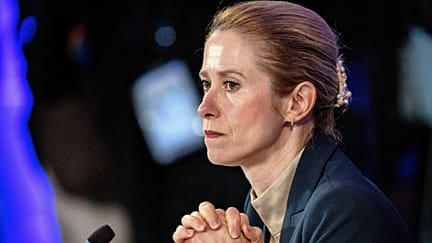
The upcoming sanctions list is set to be presented to EU countries in early September, with an aim for adoption in October. The measures will include travel and transaction bans, as well as asset freezes, but are not expected to include sectoral sanctions to expedite the approval process.
Kallas' remarks come amid concerns that national economic interests may hinder the EU's ability to impose tougher sanctions, as seen in the recent negotiations where Greece sought exemptions for Russian liquefied natural gas shipments.6
“The Kremlin has already paid a high price for the EU sanctions,” Kallas stated, reinforcing the bloc's resolve to maintain pressure on Moscow.3
“The new listings, expected to target around 1,600 individuals and entities linked to the military-industrial complex, would include travel bans and asset freezes. The EEAS aims to present the list in early September for adoption in October, requiring unanimous approval from all 27 EU member states.”
 The Moscow Times
 Euronews.com