- The EU and Philippines announced a new free trade deal on Tuesday, marking a significant step in their economic partnership.
- European Commission President Ursula von der Leyen tweeted on Tuesday, 'we just agreed on a free trade deal,' but EU officials later clarified it was a preliminary agreement.
- Maroš Šefčovič, the EU's top trade negotiator, stated that he and Philippine Trade Secretary María Cristina Aldeguer-Roque structured the deal to grow nearly €30 billion ($35 billion) of annual trade.
- Šefčovič expects the deal to be finalized within a year or two, pending ratification by parliaments on both sides.
- The EU-Philippine trade is dominated by electronics, with the EU exporting aircraft, pork, and pharmaceuticals while importing semiconductors, integrated circuits, and industrial machinery from the Philippines.
- The Philippines is the third nation from the ASEAN bloc to sign a bilateral trade deal with the EU, following Vietnam and Singapore.
- Negotiations are ongoing between the EU and Thailand, Indonesia, and Malaysia, with a broader free trade agreement between the EU and ASEAN being a long-term goal.
The European Union and the Philippines have reached a preliminary free trade agreement, marking a significant step in diversifying trade relationships amid global geopolitical tensions.
EU trade negotiator Maroš Šefčovič stated that the deal aims to enhance the nearly €30 billion ($35 billion) annual trade between the two regions.3
The agreement is expected to create stronger, more diversified supply chains, a necessity as resilience becomes a strategic priority.
Trade between the EU and the Philippines is primarily focused on electronics, with the EU exporting aircraft, pork, and pharmaceuticals, while importing semiconductors, integrated circuits, and industrial machinery from the Philippines.
The Philippines becomes the third ASEAN nation to sign a bilateral trade deal with the EU, following Vietnam and Singapore.
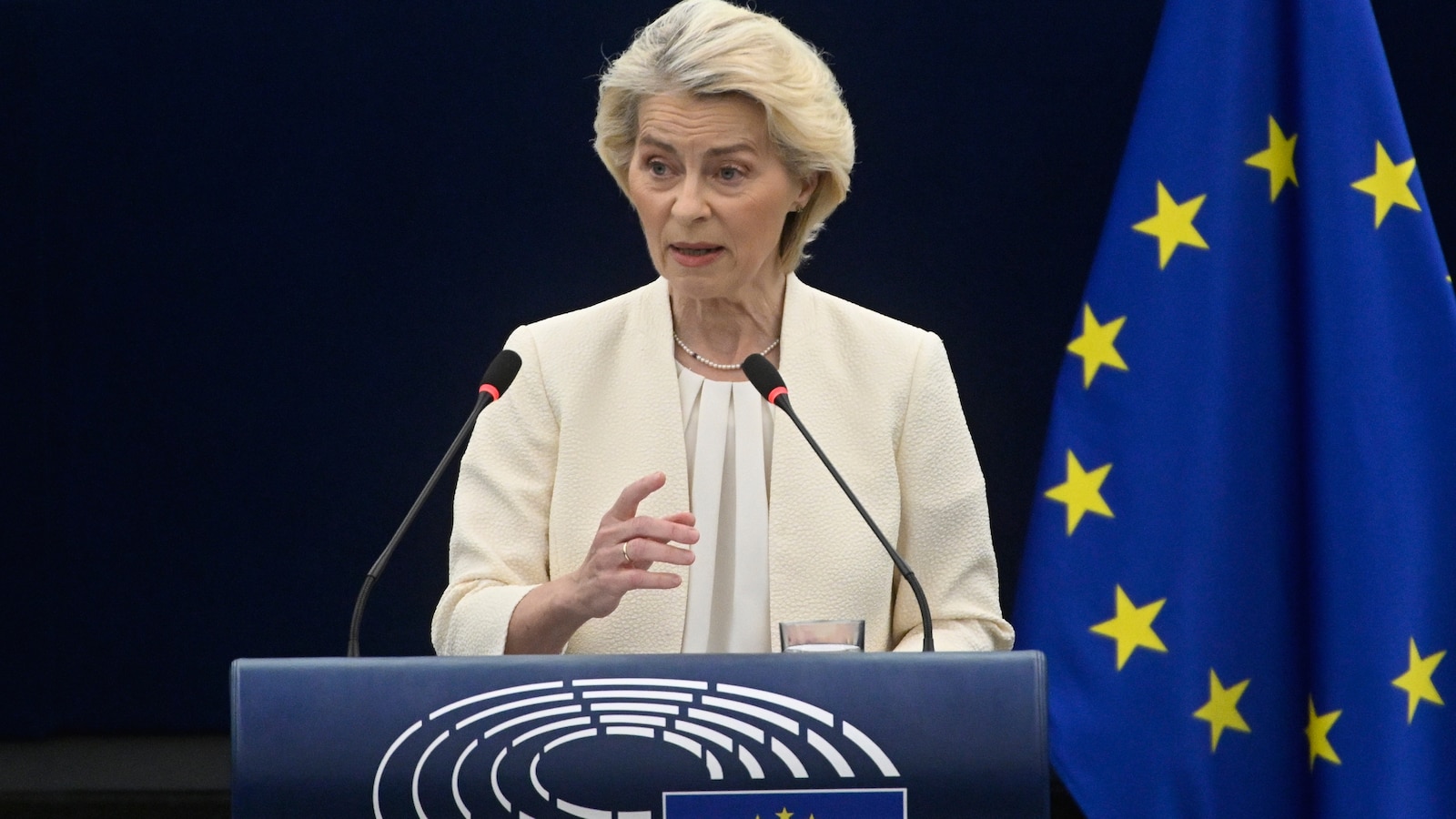
Šefčovič noted, “This agreement sends a clear signal that the EU is reinforcing its engagement with the Indo-Pacific.”
The EU is also negotiating with Thailand, Indonesia, and Malaysia, with hopes for a broader free trade agreement with ASEAN in the future.7
The deal is part of the EU's strategy to seek growth and stability through new trade links, especially as it faces challenges from geopolitical conflicts and the need for alternative energy sources.
Šefčovič anticipates finalizing the agreement within a year or two, pending ratification by parliaments on both sides.
“The deal aims to grow nearly €30 billion ($35 billion) in annual trade between the 27-nation EU and the Southeast Asian nation of 115 million people. It is the third ASEAN bilateral trade deal for the EU after Vietnam and Singapore, with negotiations ongoing with Thailand, Indonesia, and Malaysia.”
 ABC News - Breaking News, Latest News and Videos