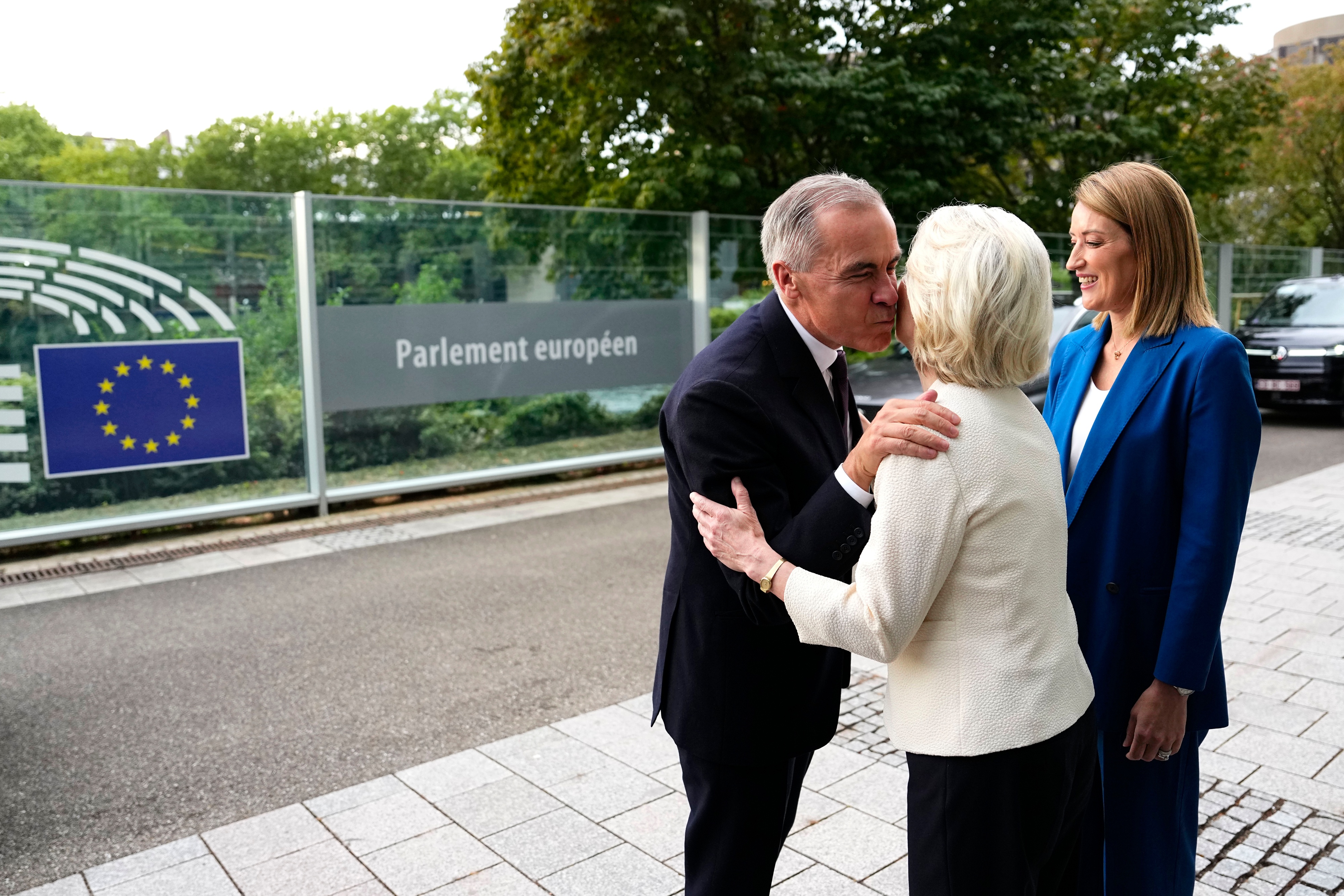
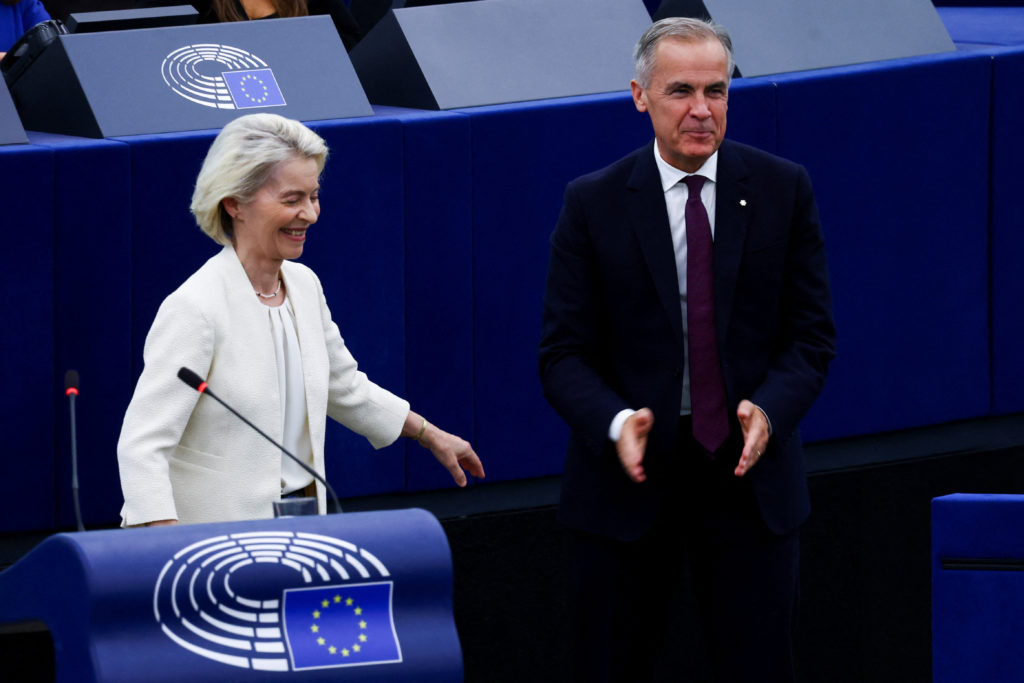
- The EU has proposed that Canada become its first-ever associate member.
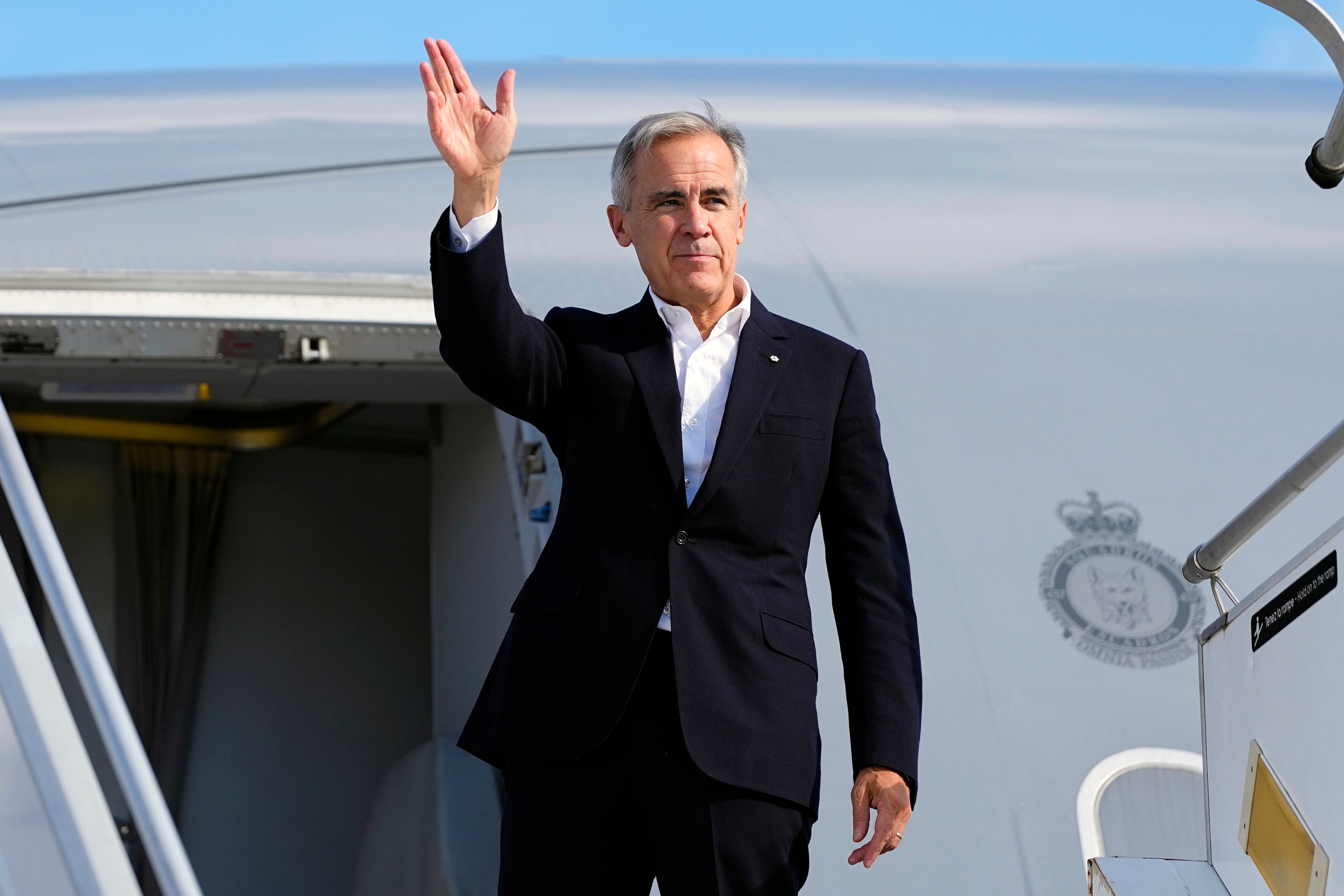
- Carney welcomed the EU's invitation, emphasizing that we are stronger together.
- The proposal would move beyond the existing trade pact to integrate defense industries and deepen ties on manufacturing, technology, energy, and the Arctic.
- Canada already has a substantial free-trade deal with Europe that has eliminated tariffs on about 99% of goods, so the real question is whether associate membership will reach deeper into services, regulation, investment or coordination.
- Associate membership does not currently exist as a formal category under EU treaties, and any such arrangement would need to be created and ratified by member states.
- The EU already extends its single market without full membership to Norway, Iceland and Liechtenstein, but Canada's associate membership would likely differ.
- Canada is the first non-European country in the EU's SAFE defense procurement program, giving Canadian companies a leg up on providing defense contracts.
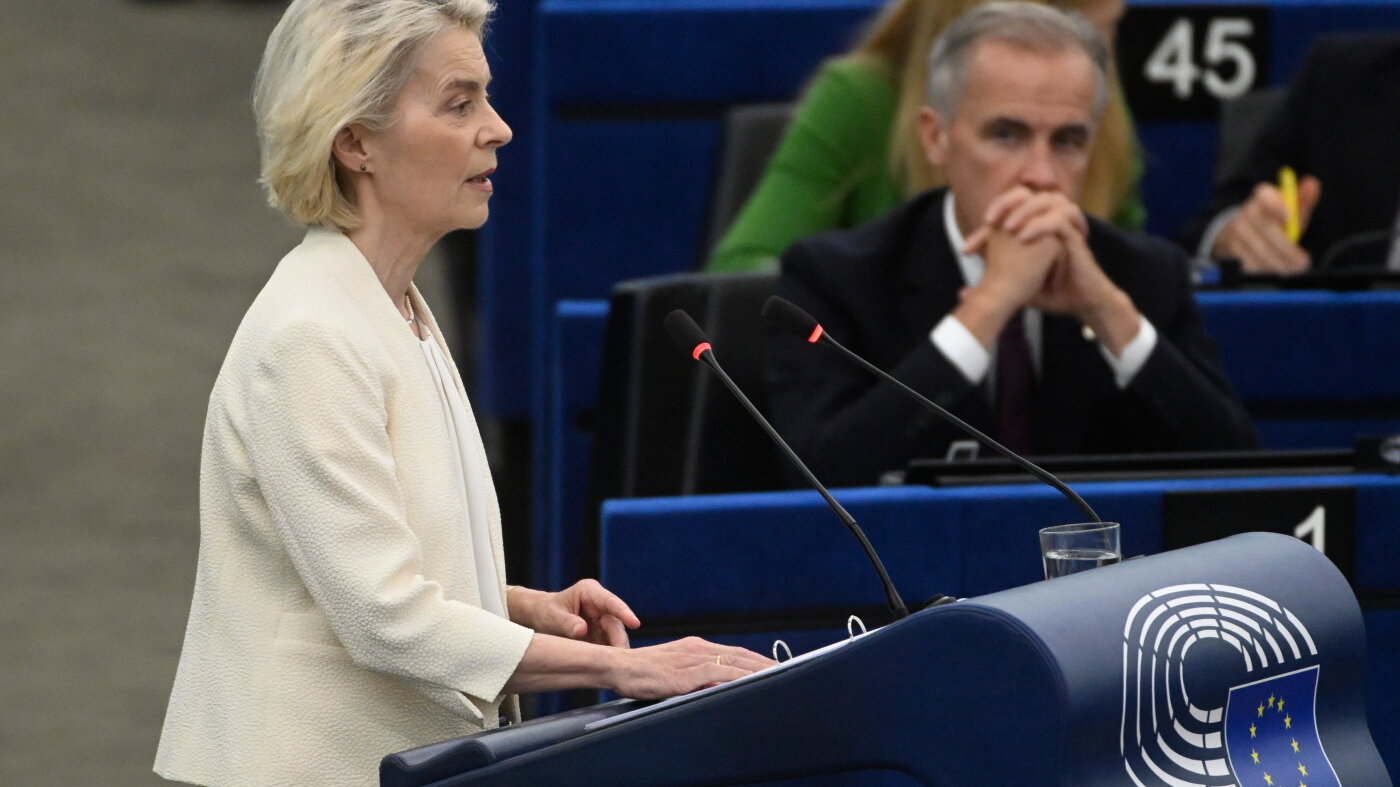
The European Union has proposed making Canada its first associate member, a significant step that could enhance cooperation in defense, technology, and trade. European Commission President Ursula von der Leyen emphasized the ambition to elevate the relationship to the "highest level possible."1
The proposal aims to create a partnership that integrates defense industries and deepens ties in manufacturing, technology, energy, and the Arctic. "We will aim to create a new form of partnership that has not existed until now," an EU spokesperson stated, highlighting the uniqueness of this potential arrangement.3
Canada already benefits from a substantial free-trade agreement with the EU, known as the Comprehensive Economic and Trade Agreement (CETA), which eliminated tariffs on about 99% of goods. However, the real question remains whether associate membership will extend deeper into services, regulation, investment, or coordination.4

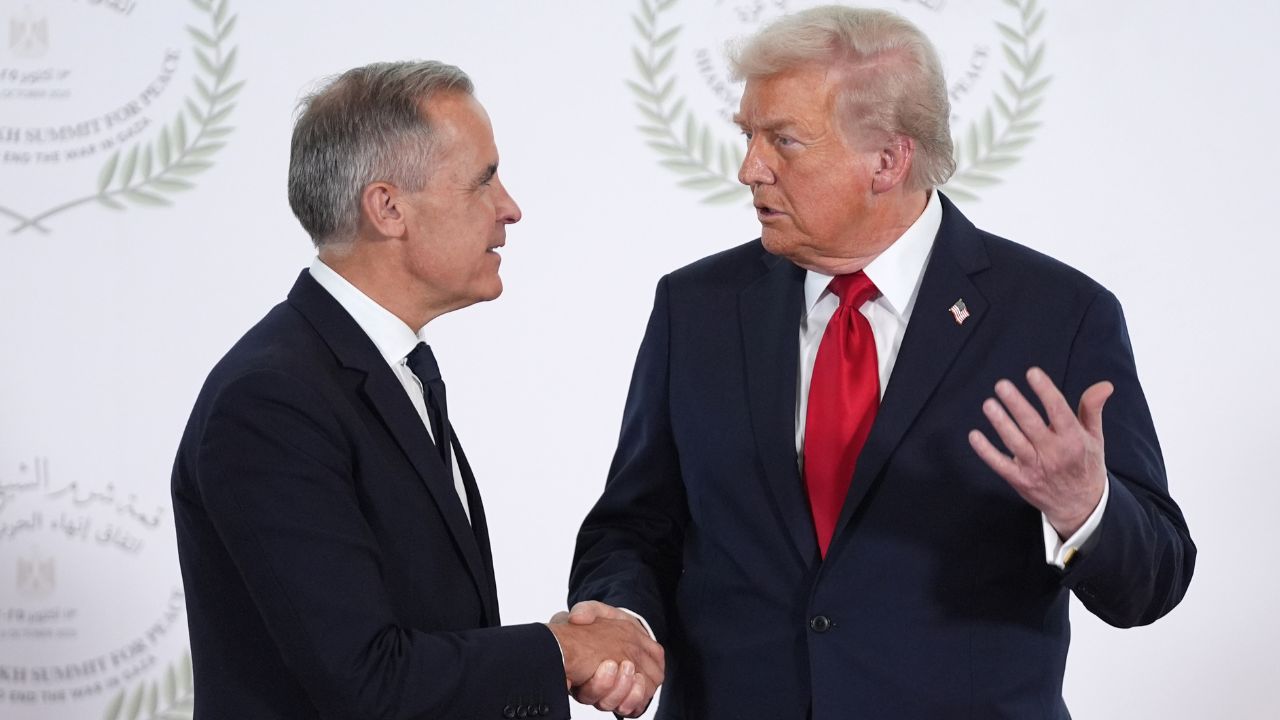
Prime Minister Mark Carney welcomed the EU's proposal, asserting that "Canada and Europe are each strong. Europe and Canada are stronger together." His remarks come amid rising tensions with the U.S., where President Trump criticized the idea, calling it "laughable" and threatening tariffs if he perceives the move as hostile.2
The EU's initiative marks a potential shift in international relations, as associate membership does not currently exist under EU treaties and would require ratification by member states.
As Canada navigates its trade relationships, this proposal could redefine its role on the global stage, particularly in light of recent economic pressures.
“The proposal would integrate defense industries and deepen ties on manufacturing, technology, energy, and the Arctic, moving beyond the existing trade pact. An EU spokesperson told Axios the goal is 'the closest imaginable form of association with a partner outside Europe.'”
 CNBC
CNBC