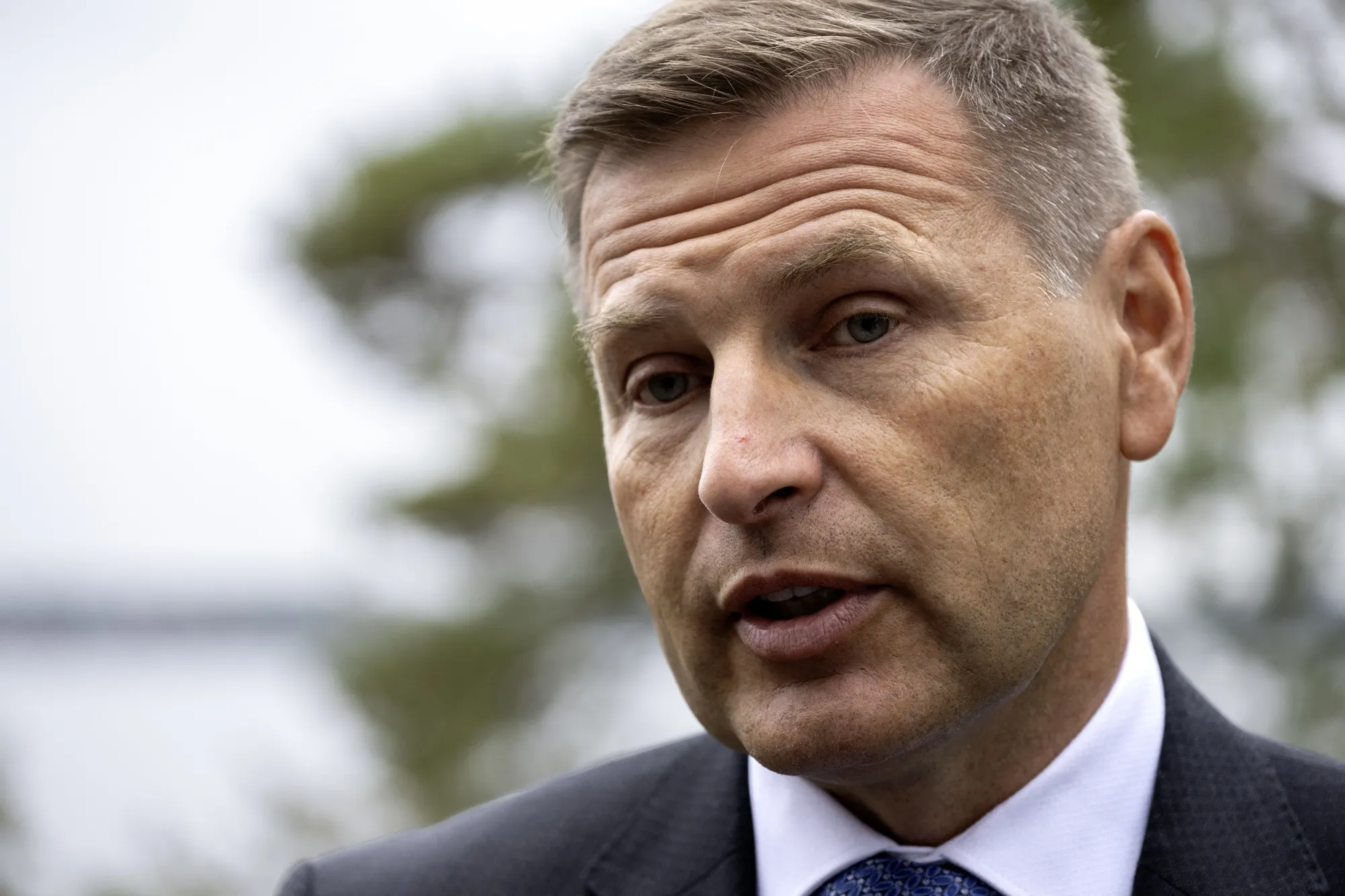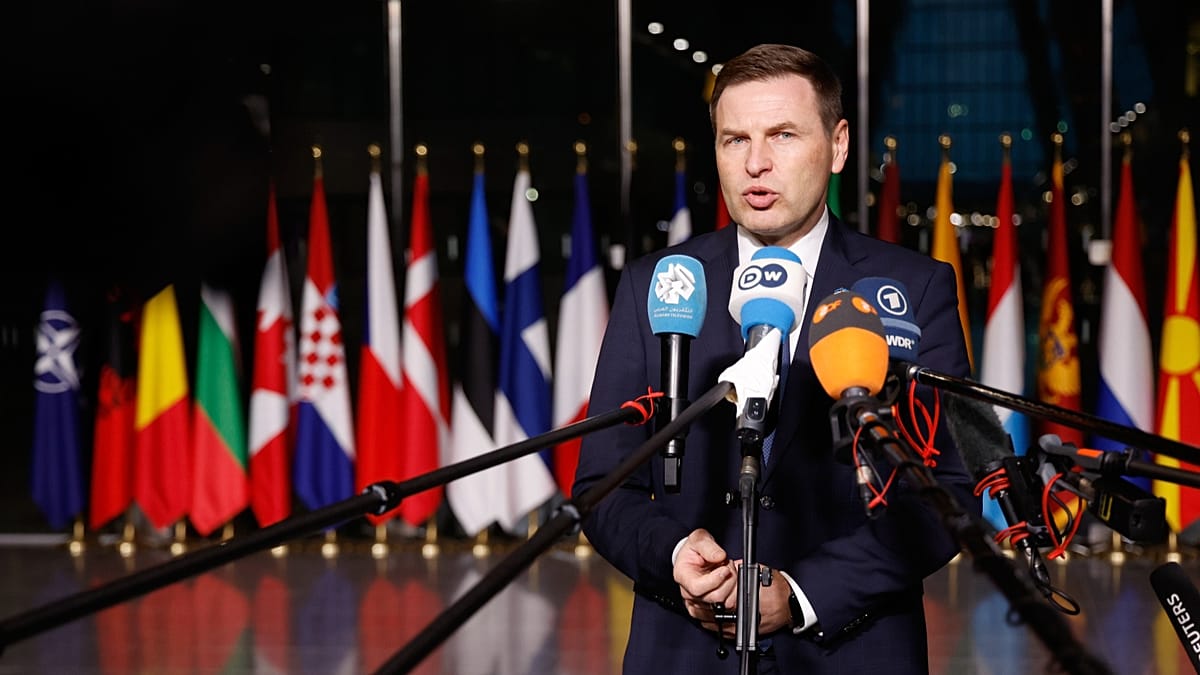
- Estonian Defence Minister Hanno Pevkur resigned on September 2, 2024, amid a scandal involving a €70 million procurement of artillery shells for Ukraine from companies with no prior track record in producing such weapons.
- Estonia signed a deal in 2024 with Datasel SRL, an Italian-registered company owned by India's Neco Defence Munitions, to supply artillery shells for Ukraine, paying €70 million upfront from the EU's European Peace Facility.
- The companies involved had no previous track record of producing artillery shells, raising concerns about the procurement process.
- Deliveries were delayed and substandard, leading Estonia to terminate contracts and take the dispute to arbitration.
- The European Commission is investigating whether Estonia must repay the €70 million used for the procurement.
- Estonia's National Audit Office criticized the country's defence spending and procurement practices, highlighting issues with the Centre for Defence Investments.
- Pevkur accepted political responsibility for the failures in the defence sector, stating that a leader must have the courage to take responsibility.
Estonian Defence Minister Hanno Pevkur resigned on September 2, accepting political responsibility for a €70 million procurement scandal involving artillery shells for Ukraine. The deal, funded by the EU's European Peace Facility, was struck with Datasel S.R.L., an Italian firm with no prior experience in munitions.12
The controversy erupted after it was revealed that the Estonian government had made advance payments totaling €70 million to Datasel, which was acquired by India's Neco Defence Munitions in March 2024. Reports indicate that the company had never previously sold artillery shells, raising serious concerns about the procurement process.
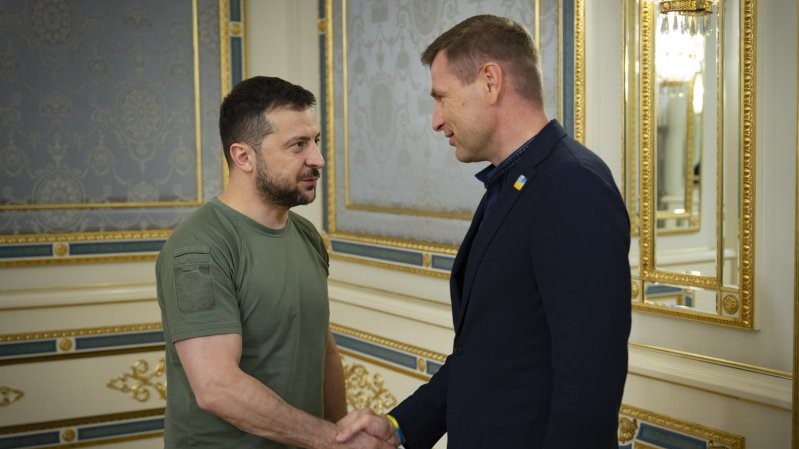
Pevkur stated, “As defense minister, I of course have to recognize that I am responsible for the entire area under my minister,” emphasizing the need for political accountability. The Estonian National Audit Office had criticized the country's defense spending, highlighting significant issues in the Ministry of Defence's operations.
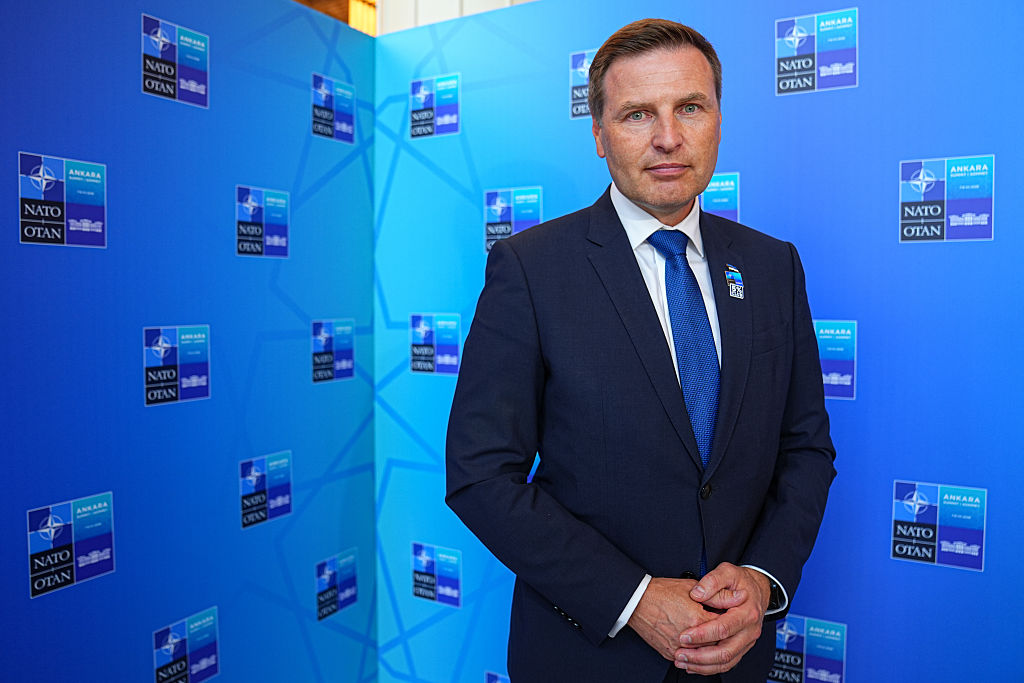
The scandal has led to a criminal investigation and a dispute over the contracts, with Estonia now seeking arbitration to recover the funds. European Commission officials are also in contact with Estonia regarding the potential repayment of the €70 million.
Pevkur's resignation follows a similar high-profile departure in Latvia, indicating a broader scrutiny of defense procurement practices in the region. The fallout from this scandal raises questions about the integrity of military contracts and the management of EU funds.
“The €70 million was paid upfront from the EU's European Peace Facility to Datasel SRL, an Italian-registered firm owned by India's Neco Defence Munitions, which had never sold artillery shells. Estonia now disputes the contracts in arbitration, and the European Commission is investigating whether the funds must be repaid.”
 Euronews.com