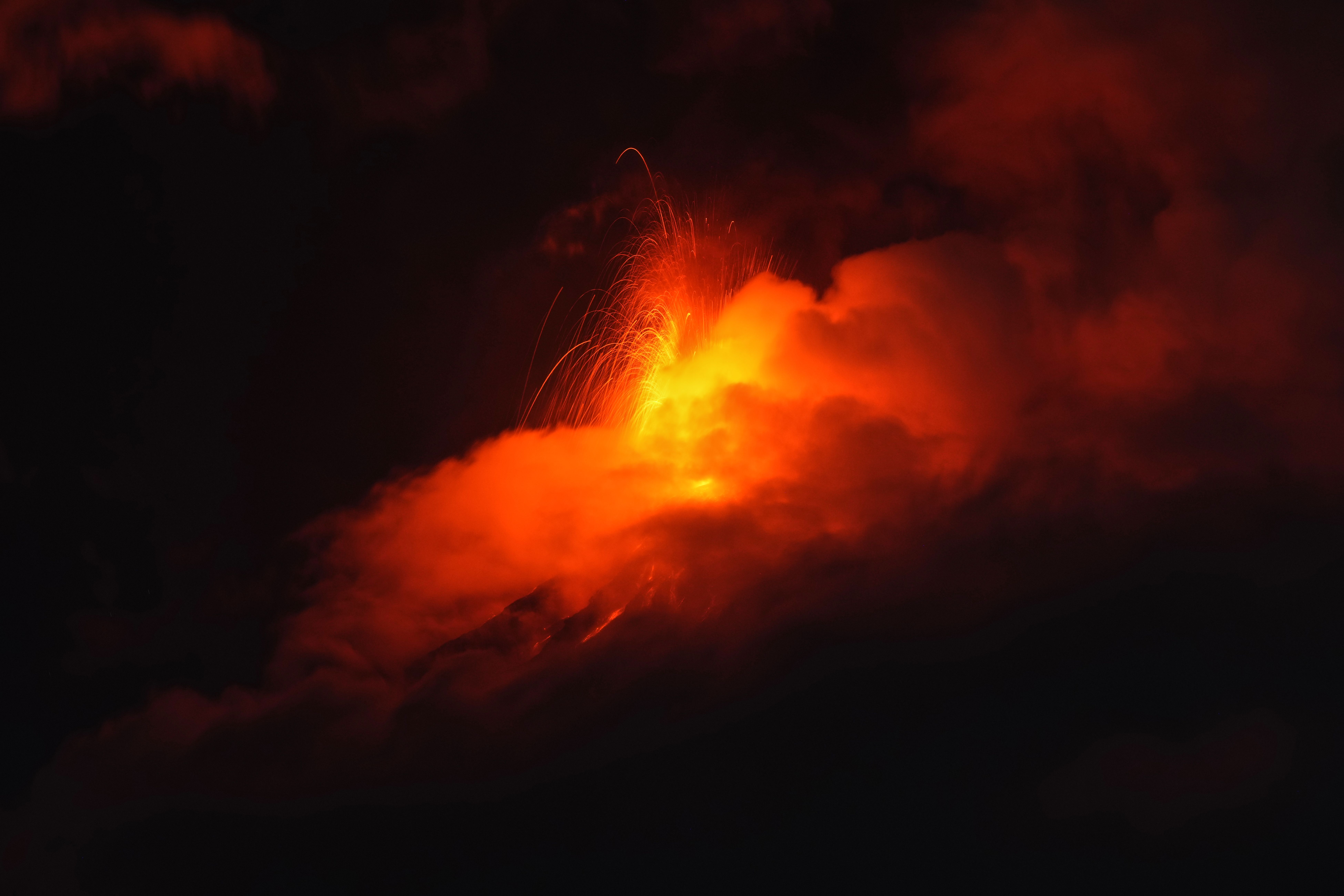
- Fuego volcano activity triggered evacuations in Guatemala as authorities responded to increased volcanic activity.
- The activity of the volcano is now decreasing, but risks remain for the surrounding communities.
- CONRED urged caution because rainfall from a tropical wave could trigger deadly volcanic mudflows known as lahars.
Activity at Guatemala's Fuego volcano is gradually decreasing following an eruption that began Monday morning, which led to the evacuation of approximately 1,700 people from at least 18 communities. The National Coordinator for Disaster Reduction (CONRED) confirmed that while the immediate threat has lessened, risks remain due to potential lahars triggered by rainfall from a tropical wave.23
Authorities reported that some evacuees returned voluntarily to their homes, but CONRED emphasized the need for continued vigilance. “But the eruptive activity continues, and it is recommended to follow the authorities’ instructions regarding preventive evacuation,” the agency stated. The volcano, known as the Volcano of Fire, is one of Guatemala's most active, standing at an elevation of 3,768 meters (12,300 feet) and located 53 kilometers (33 miles) from the capital.
The eruption on Monday morning saw lava spewing to a height of about 300 meters (984 feet), prompting red alerts, highway closures, and the suspension of classes in three departments. Fortunately, no deaths or damage have been reported, a stark contrast to the devastating eruption in June 2018 that killed hundreds and affected up to 1.7 million people.
“CONRED urged caution because rainfall from a tropical wave could trigger deadly volcanic mudflows known as lahars. The decreasing activity does not eliminate the threat of these fast-moving flows, which pose a serious danger to nearby communities.”






