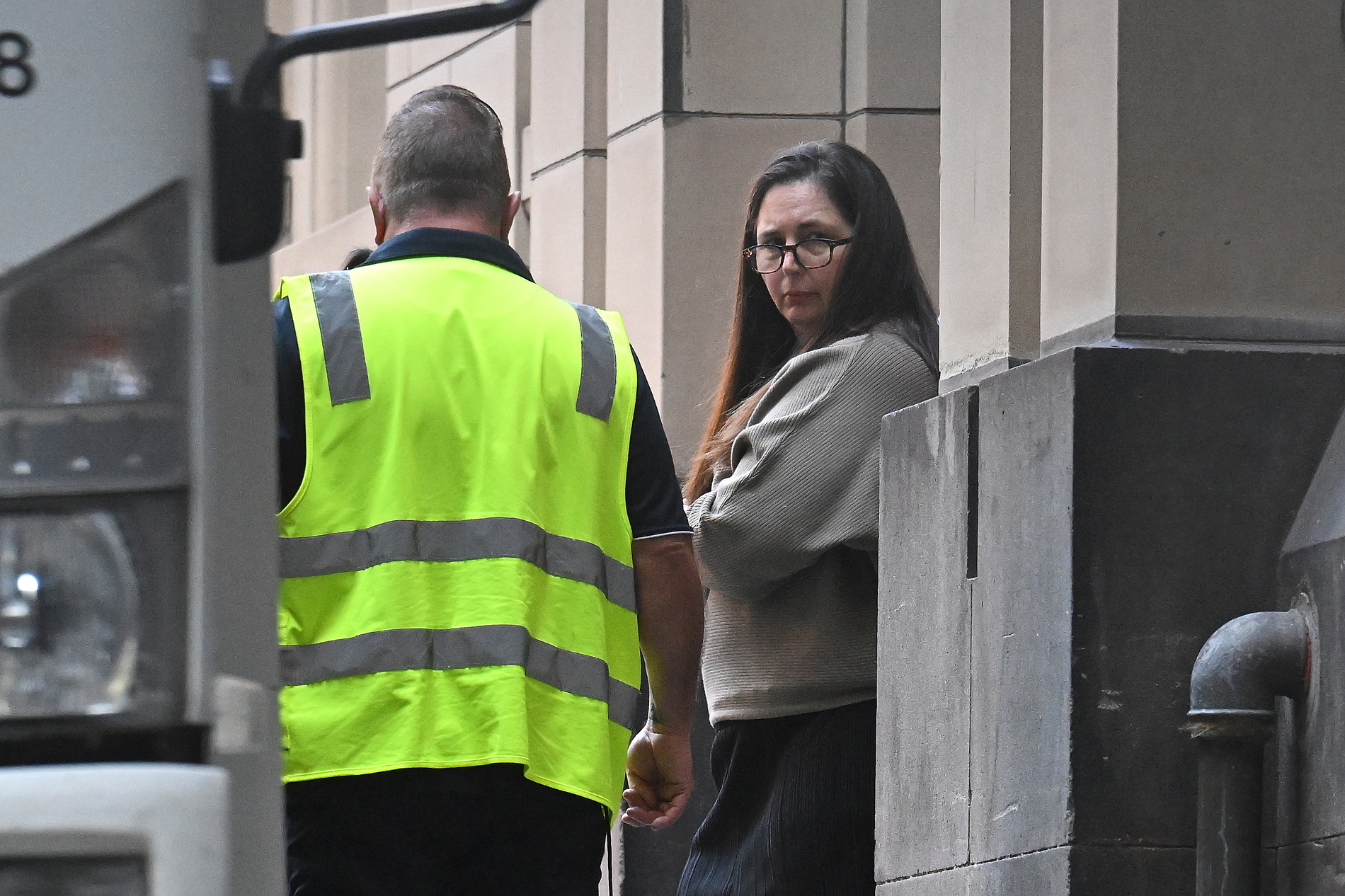
- Patterson was convicted of triple murder and sentenced to a 33-year non-parole period.
- Patterson's lawyers filed an appeal with seven points, starting with the sequestration of jury members in a crowded hotel.
- At a two-day Melbourne court hearing that closed Thursday, Patterson sought to overturn her convictions while prosecutors demanded life in prison.
- Prosecutors argued the 33-year non-parole period did not reflect the seriousness of her crimes, calling them 'betrayal' and 'worst-case offending'.
- The intense public interest in the case is one reason why Patterson's lawyers are pushing for a retrial, as the town was so crowded that at one stage jury members shared a hotel with the prosecution team and an informant.
- While there was no evidence that the guests interacted, the lawyers say the possibility of interactions “cannot be excluded”.
- One judge pointed out that jury members were separated from other guests, eating and sleeping on a different floor of the hotel – but Patterson's lawyers say the fact they were in the same building “fatally undermined the integrity of the verdicts”.
- The six other points include the way Patterson was cross-examined over several days, which her lawyers said was “unfair and oppressive”.
- Her lawyers say some evidence submitted was irrelevant and worked to prejudice the case, including testimony about the iNaturalist website and her Facebook posts about her in-laws.
Erin Patterson is seeking to overturn her triple murder convictions, arguing that jury members' shared hotel accommodations with the prosecution compromised the trial's integrity. Her lawyers cite seven points of appeal, including claims of unfair cross-examination and irrelevant evidence.1291011
Patterson was convicted of murdering her husband's parents and an elderly aunt by serving them a beef Wellington laced with deadly death cap mushrooms. She also attempted to murder her husband's uncle, who survived after weeks in the hospital.
At a recent Melbourne court hearing, Patterson's legal team argued that the jury's sequestering was 'catastrophic' and that the potential for interaction with the prosecution team 'cannot be excluded.' They contend that the shared accommodations fatally undermined the verdicts, emphasizing the need for justice to be 'seen to be done.'
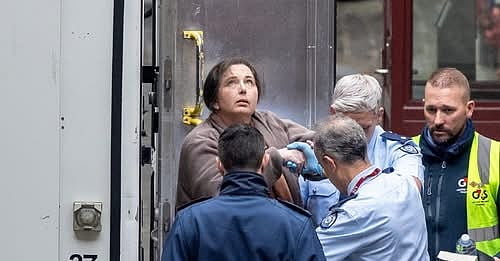
Justice Christopher Beale sentenced Patterson to three life sentences and a 25-year term for attempted murder, with a non-parole period of 33 years. However, prosecutors argue that she should serve life without parole, asserting that her crimes represent 'worst-case offending' and a profound betrayal.4
Director of Public Prosecutions Brendan Kissane stated that the 33-year non-parole period does not reflect the seriousness of her actions, insisting that the evidence does not support claims she would be kept in solitary confinement for an extended period.
“Patterson's lawyers argue the jury's sequestration in a hotel shared with prosecution and an informant 'fatally undermined the integrity of the verdicts,' citing seven appeal points. Prosecutors, led by Brendan Kissane, counter that the 33-year non-parole period understated the 'worst-case offending' of her crimes.”