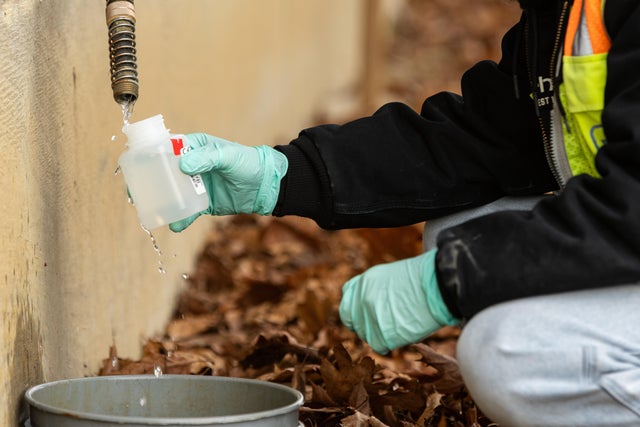
- EPA found no lead in the 38 water samples taken post-detonation at public water supplies, which included samples of finished treated drinking water and untreated water at the intake.
- Initial lab results from the EPA’s post-detonation sampling show that the detonation did not result in an elevation of lead in water bodies that serve as sources of drinking water.
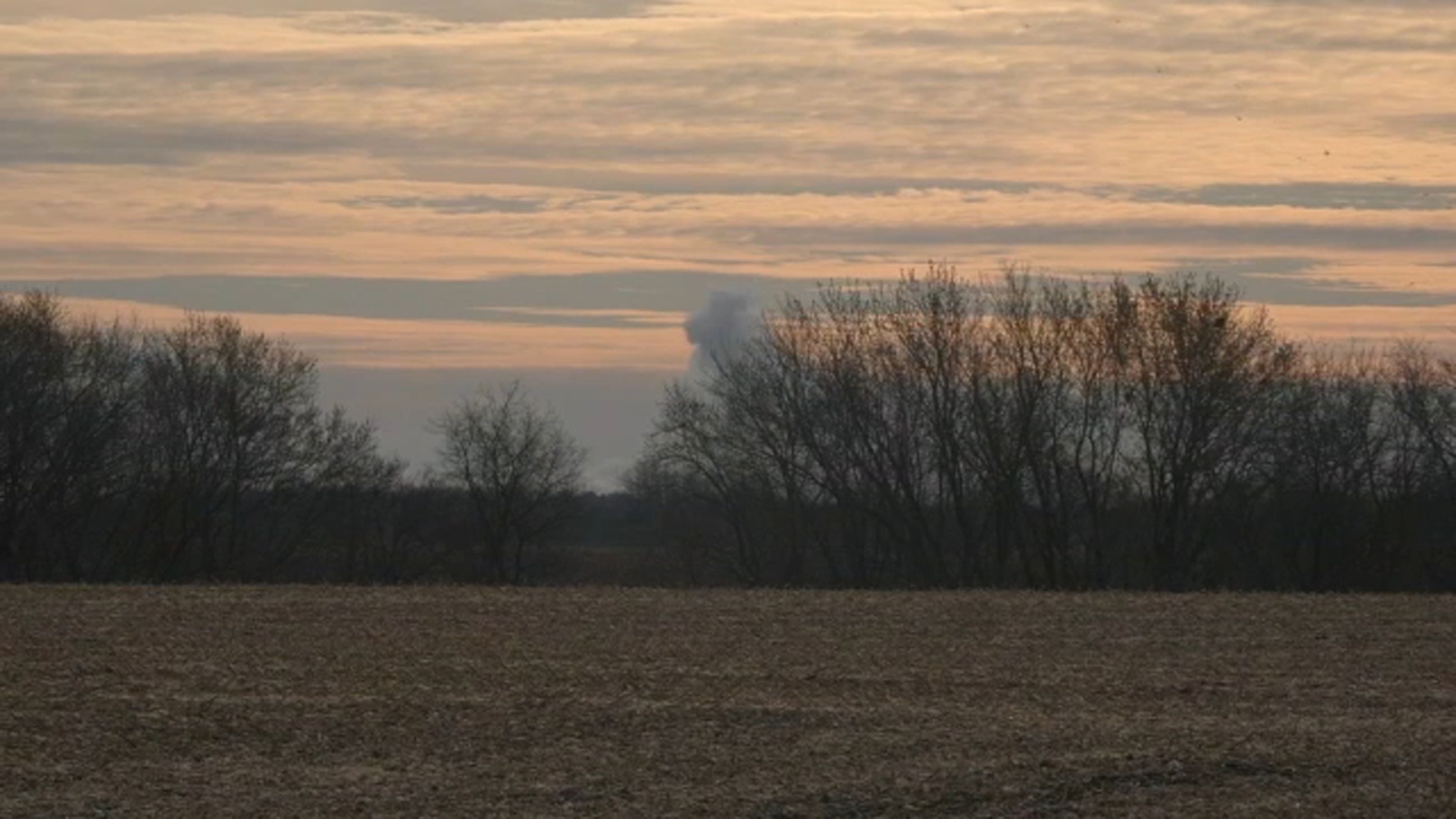
- On 25 November, military explosive experts detonated degraded lead azide at the army ammunition plant in Middletown, Iowa.
- EPA conducted pre-detonation sampling of 35 drinking water sources across Iowa, Illinois, and Missouri.
- EPA monitored airborne lead for 30 consecutive hours after detonation using Xact air monitoring systems.
- US Army planned to detonate lead azide stockpile in Middletown, Iowa, but delayed due to public backlash and safety concerns.
- Court ruling allowed the detonation to proceed.
- Environmental groups who sued to halt the detonation said last week that legal action and public pressure forced the army to take more protective measures.
- Army officials stated the detonation was necessary because the degraded material risked exploding uncontrollably as temperatures were expected to drop.


The Environmental Protection Agency (EPA) confirmed that the controlled detonation of five tons of lead azide in Iowa did not elevate lead levels in drinking water sources.
“EPA found no lead in the 38 water samples taken post-detonation at public water supplies,” the agency stated.1
The detonation occurred on November 25 at the Army ammunition plant in Middletown, Iowa, as officials deemed it necessary due to the degrading nature of the stockpile.
“The risk was reduced as close to zero as it’s absolutely humanly possible,” said Maj Gen Eric Shirley, who oversaw the operation.
The EPA conducted extensive monitoring, sampling over 1,500 air, water, soil, and dust samples before and after the detonation. Initial results indicated no lead contamination in the water bodies supplying drinking water.4
However, some experts cautioned that it was premature to conclude that communities were entirely safe.
The Army's decision to detonate the stockpile has raised concerns about environmental contamination and transparency, as residents were not adequately informed about the risks involved.
“We will continue to provide updates in the coming days as new lab results for over 3,200 air, soil, dust and water samples return and get validated,” the EPA assured.
The Army had moved most of the nation’s lead azide stockpiles to the Middletown plant over the past decade due to its extreme volatility.
The detonation was deemed a success by officials, including the acting secretary of the army and governors of Iowa and Missouri, but criticism remains regarding the communication of the operation to the public.
“The EPA sampled 35 drinking water sources across Iowa, Illinois, and Missouri before the detonation to set a baseline, and monitored airborne lead for 30 consecutive hours after using Xact systems. More than 1,500 samples were taken before and hundreds after, with results for over 3,200 samples still pending.”
 The GuardianAP News