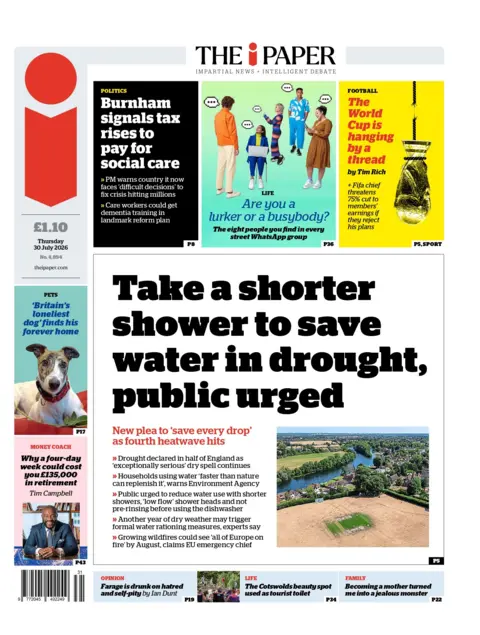
- The Environment Agency has announced an official drought in parts of England.
- More than half of England has been officially declared to be in rapidly developing 'flash drought' conditions, according to the Environment Agency.
- Seven water companies have imposed temporary-use bans affecting 23 million customers — about 40 per cent of England's population.
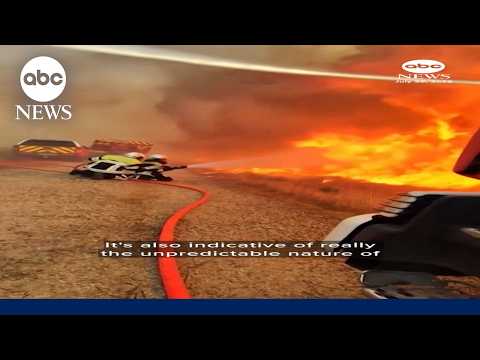
- Fire services in England and Wales have responded to 706 wildfires this year, including more than 200 during the past fortnight.
- Reservoir storage has fallen to 75.3 per cent, about 7.4 percentage points below the seasonal average.
- Helen Wakeham, the Environment Agency's director of water, said: 'The hot and dry weather means we are currently using water faster than nature can replenish it.'
- A second consecutive summer drought is an exceptionally serious situation and one that will have long-lasting impacts on our environment, wildlife and the economy.
- Most of England is on high alert for wildfires as a 50-year drought record from the long, hot summer of 1976 is on the brink of being beaten.
- The Met Office warned that fires could become 'severe' across much of England and parts of Wales as temperatures climbed towards 35C.
The Met Office warned that fire risks could become ‘severe’ as temperatures approach 35C, with most of England on high alert for wildfires. The current drought is nearing a 50-year record from the summer of 1976, with 43 consecutive days without rain reported at the Royal Horticultural Society’s garden in Surrey.
Over half of England is experiencing rapidly developing “flash drought” conditions, with almost four fifths of rivers at below-normal levels. Reservoir storage has dropped to 75.3 per cent, significantly below the seasonal average. Helen Wakeham, the Environment Agency’s director of water, stated, “The hot and dry weather means we are currently using water faster than nature can replenish it.”
This month has yielded only 7 per cent of its average rainfall across England, plummeting to 1 per cent in the south. The situation is dire, with a second consecutive summer drought posing serious long-term threats to the environment, wildlife, and the economy. Fire services have responded to 706 wildfires this year, with over 200 in the past fortnight, highlighting the urgent need for water conservation measures as 23 million people face temporary-use bans.
“The Met Office warns of 'severe' fire risks as temperatures approach 35C, with most of England on high alert for wildfires. Reservoir storage has dropped to 75.3%, significantly below seasonal averages, raising concerns about long-term environmental impacts.”


 The Times