- Trump's midterm setback occurs, which could lead countries to slow-walk investment pledges made to stave off tariffs, potentially giving China an upper hand in trade talks.
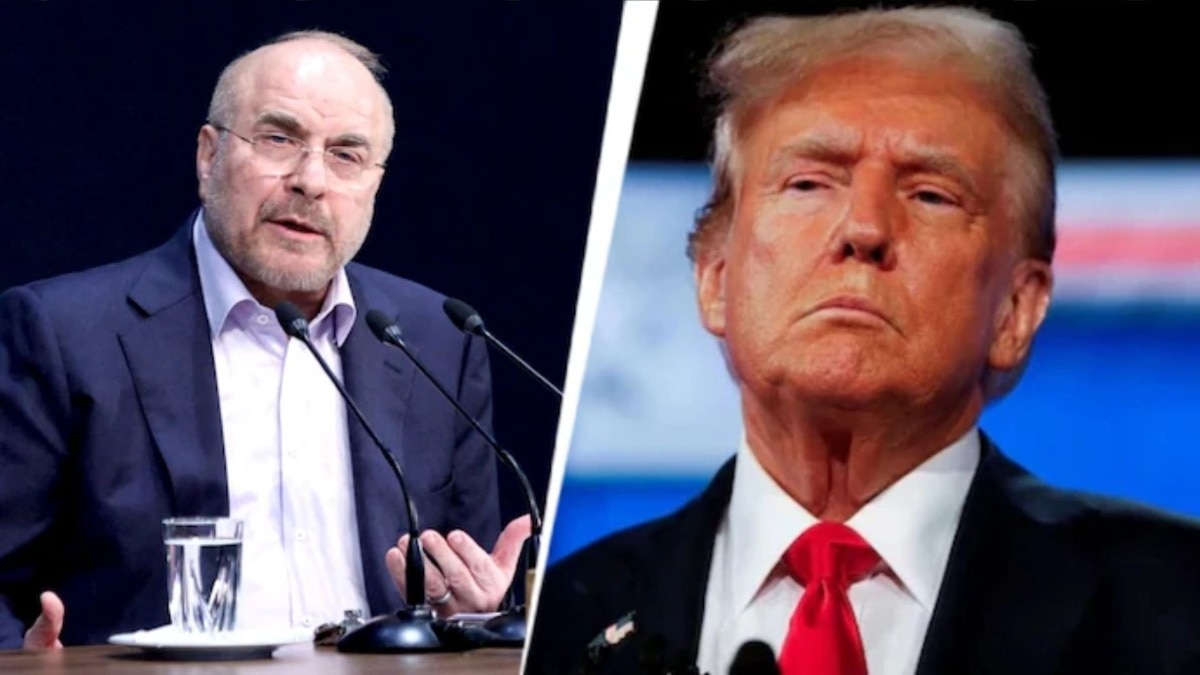
- Iran's chief negotiator states that Americans voted 'no to war', with parliament speaker Mohammed Bagher Ghalibaf endorsing this message on X.
- Potential impacts on global trade talks and tariff deals are anticipated, as allies Japan and South Korea may feel less pressure to fulfill investment commitments.
- While Trump retains executive power over tariffs, Congressional scrutiny could give Seoul more time to review investment projects.
- China may exploit Trump's political fragility in trade talks, and a Democratic Congress could constrain his ability to offer concessions on AI and semiconductors.

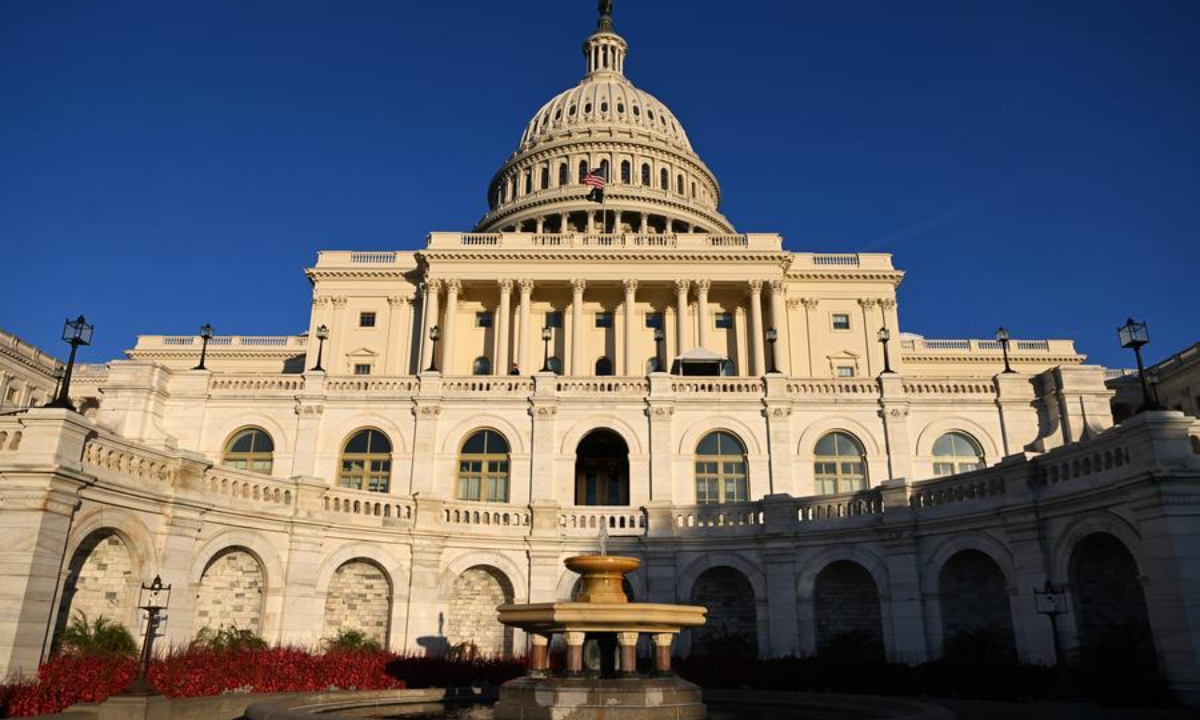
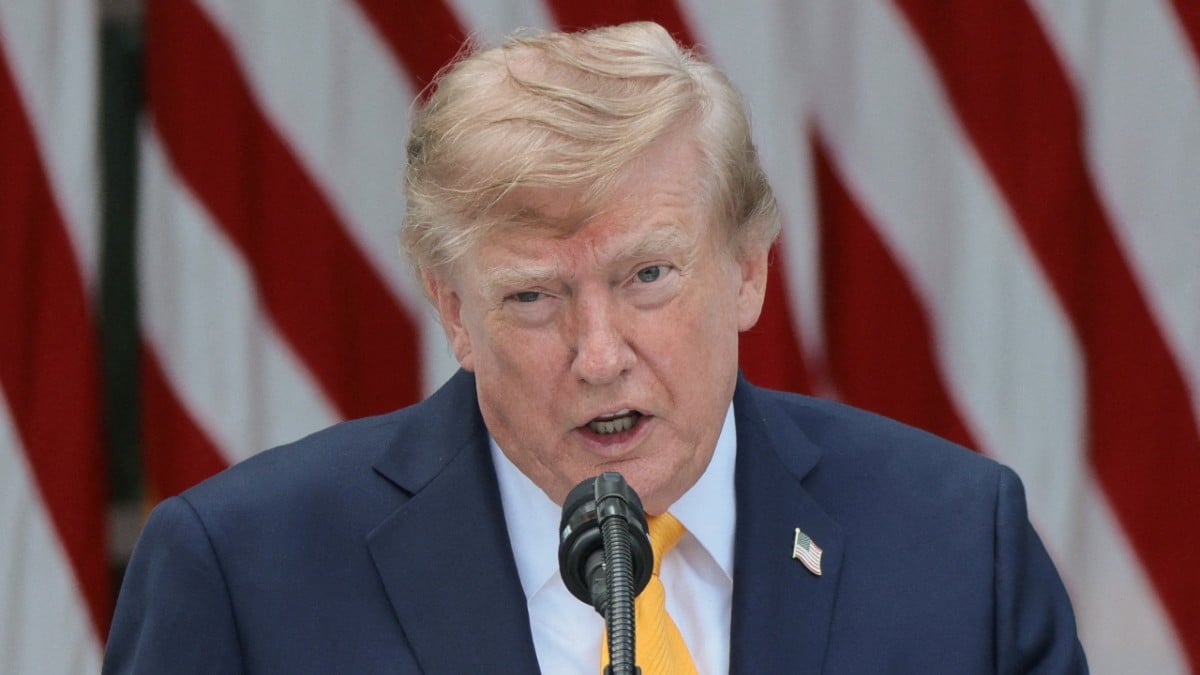
President Trump's midterm election defeat could reshape global trade dynamics, as Democrats now control Congress, potentially limiting Trump's tariff policies. Analysts suggest countries may slow investment commitments, emboldened by the election results.
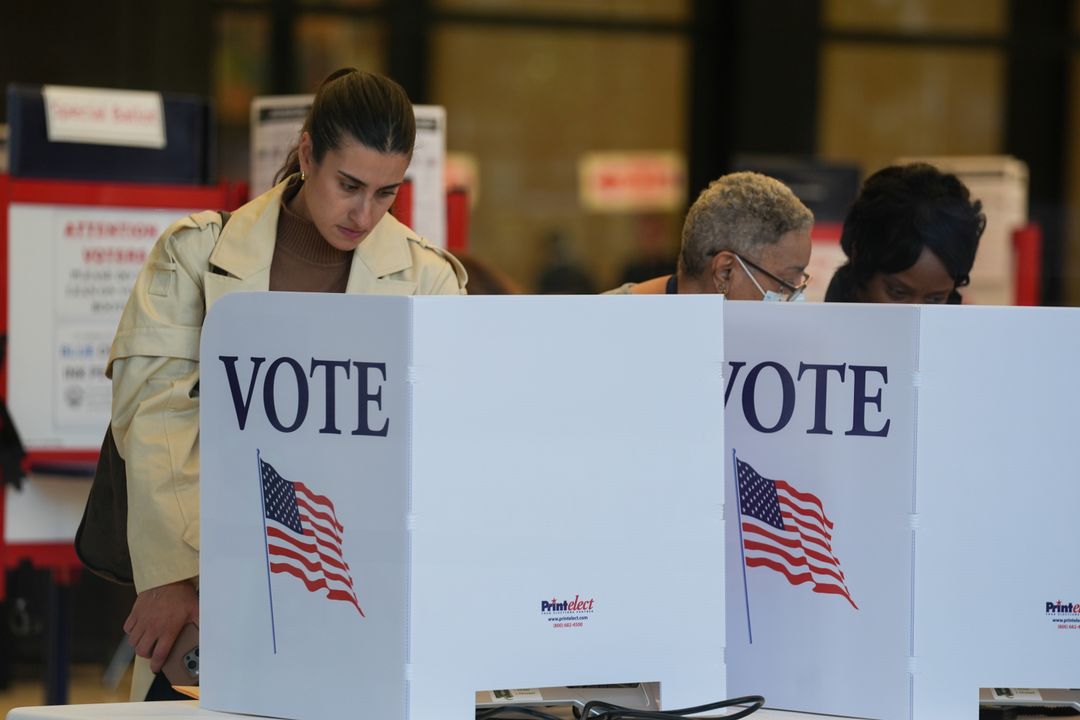
Democrats captured majorities in both the Senate and House, delivering a rebuke of Trump's policies, particularly regarding tariffs and the Iran conflict, which many voters blame for rising inflation.

As Iran's chief negotiator stated, Americans have "said NO TO WAR," reflecting public discontent with ongoing conflicts and economic pressures. Trump acknowledged that the election results were partly due to the war and rising petrol prices, stating, "I think a part of it was Iran."
Political analysts warn that Trump's weakened position may lead to a more aggressive stance towards allies, as he seeks to enforce investment pledges made to stave off tariffs. Kazuhiro Maeshima, a professor at Sophia University, noted, "The tariff issue is not over. If Japan’s response is slow, calls for additional tariffs could resurface."3
Countries like India, still negotiating trade deals with the US, may adopt a cautious approach, as the midterm results could signal a shift in US trade policy. Tommy Xie from OCBC Bank remarked that the White House may face pressure to avoid trade wars that could further inflate costs for American consumers.

As the situation evolves, China is likely to leverage Trump's political fragility to strengthen its position in ongoing trade talks, with analysts predicting that a Democratic Congress will scrutinize Trump's dealings more closely.15
The implications of the midterm elections extend beyond US borders, potentially reshaping international trade relations and diplomatic strategies moving forward.
“The election outcome may prompt countries like India to adopt a wait-and-see approach, while Japan and South Korea's $550 billion and $350 billion investment pledges could be less binding. Meanwhile, Iran's IRGC reported four oil tankers caught fire in the Strait of Hormuz, and a US MQ-9 drone was shot down.”


 BBC