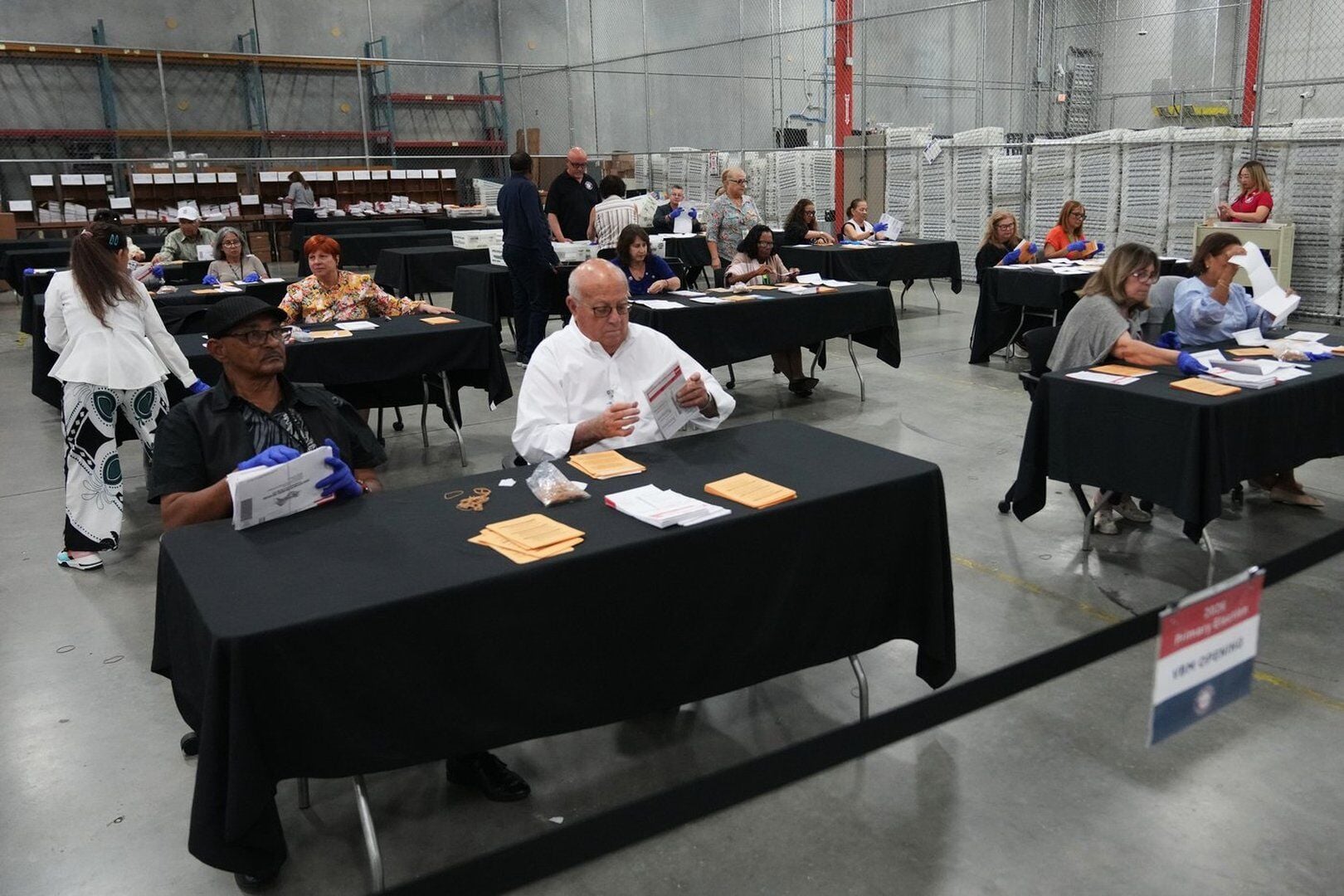
- This week, the Trump administration faced an injunction from Judge Indira Talwani of the U.S. District Court for the District of Massachusetts, after the Supreme Court had lifted her earlier injunction on the U.S. Postal Service requiring voting lists to confirm U.S. citizenship.
- Talwani's injunction was taken to be premature and without a legal injury, as the administration had not issued a formal rule, and she did not wait for a showing of a cognizable injury before issuing another injunction.
- The controversy over Talwani is not the merits of her decision but the pattern of sweeping injunctions by her and a few other judges, with litigants accused of forum-shopping to prevent Trump policies from being implemented.
- Talwani is viewed by many as a one-stop-shop judge for forum-shopping, having issued hair-trigger injunctions that have been repeatedly reversed, including on Aug. 24 for imposing an injunction against the mail-in balloting policy.
- The case against the executive order on mail-in ballots has reasonable arguments on both sides, although the challengers are likely to prevail in defeating the rule or at least delaying the policy until after the midterm elections.
Judge Indira Talwani of the U.S. District Court for Massachusetts is under fire after the Supreme Court lifted her earlier injunction regarding mail-in ballot restrictions. Critics argue that her decisions reflect a pattern of forum-shopping, where litigants seek out favorable rulings from liberal judges.1234567
The Trump administration contends that the new rule, which requires voting lists to confirm U.S. citizenship, does not prevent any voter from casting a mail-in ballot. They assert it merely imposes modest informational requirements to ensure non-citizens do not vote in federal elections.
However, opponents of the rule argue that it could disenfranchise voters, particularly as the midterm elections approach. The controversy surrounding Talwani's decisions is not just about the legality of the mail-in voting policy but also about her history of issuing sweeping injunctions that have been frequently reversed.

Talwani's previous injunctions, including those against the Trump administration's policies on immigration and healthcare, have raised questions about her judicial approach. Critics claim that her actions contribute to a broader trend of judicial activism that undermines the administration's authority.
As the legal battles continue, the implications of Talwani's rulings could significantly impact the upcoming elections and the ongoing debate over voting rights in the United States.
“The Supreme Court's emergency docket lifted Talwani's earlier injunction on the U.S. Postal Service requiring citizenship verification, but she issued another injunction this week. Critics accuse litigants of forum-shopping to block Trump policies, with Talwani's injunctions repeatedly reversed, including on Aug. 24.”