- The Indian Rice Exporters Federation (IREF) has entered into a collaboration with S&P Global Energy to assess the risk to the global rice market due to El Nino.
- The National Oceanic and Atmospheric Administration (NOAA) of the US forecasts a 97 per cent probability of El Nino persisting into early 2027, making it crucial for the paddy crop that depends on stable weather patterns.
- S&P Global projects global rice production to decline to 536.4 million tonnes, while global import demand is projected to rise by nearly 4 mt to 59.7 mt, driven by countries seeking to secure supplies amid potential harvest risks.
- The assessment will be presented at the three-day Bharat International Rice Conference, organised by IREF, in New Delhi from October 24, and will discuss supply risks, major importers, trade flow shifts, and price prospects over the coming 52 weeks.
- Global rice production is projected to decline 9 million tonnes (mt) in the 2026-27 marketing year (October-September) due to El Nino, rising input costs, and geopolitical tensions.
- Elevated input costs will increase production risks for farmers and potentially alter planting decisions across Asia.
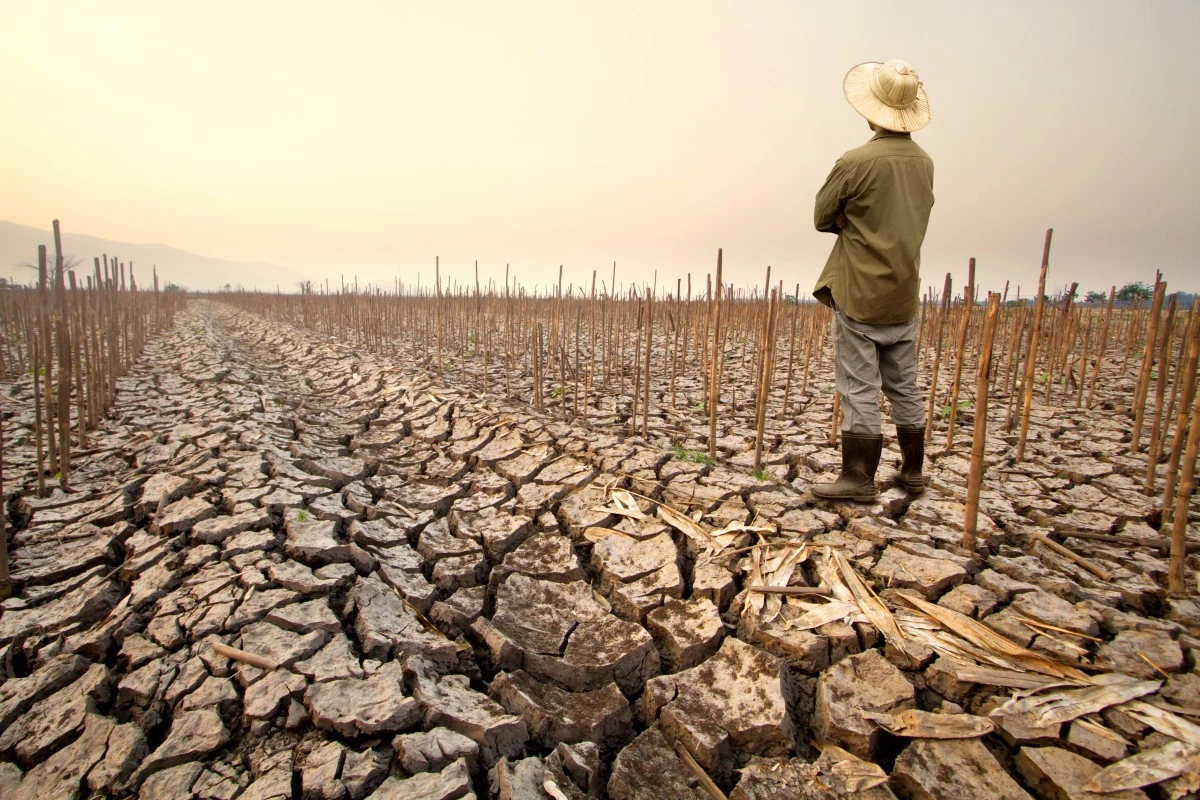
- The impact of El Nino extends beyond a single crop cycle, with virtually all major rice-growing regions facing weather-related challenges as El Nino is expected to persist until at least April 2027.
- S&P Global Energy will present an assessment of how a prolonged and intensifying El Nino, combined with rising fertilizer, fuel, and transportation costs linked to ongoing tensions in West Asia, are creating a new risk environment for global rice markets.
The Indian Rice Exporters Federation (IREF) has joined forces with S&P Global Energy to analyze the risks posed by El Nino to the global rice market, with production expected to drop by 9 million tonnes in the 2026-27 marketing year.19
A statement from IREF highlights that the National Oceanic and Atmospheric Administration (NOAA) forecasts a 97 percent probability of El Nino continuing into early 2027, which poses significant challenges for paddy crops reliant on stable weather.2
The federation warns that the impact of El Nino will extend beyond a single crop cycle, affecting virtually all major rice-growing regions.
Additionally, rising input costs are expected to increase production risks for farmers, potentially altering planting decisions across Asia.10
According to S&P Global, global rice production is projected to decline to 536.4 million tonnes, while import demand is anticipated to rise by nearly 4 million tonnes to 59.7 million tonnes as countries seek to secure supplies amid harvest risks.345
The assessment will be presented at the Bharat International Rice Conference in New Delhi from October 24, where it will explore supply risks, shifting trade flows, and price prospects for the upcoming year.678
“NOAA forecasts a 97% probability of El Nino persisting into early 2027, with the impact extending beyond a single crop cycle. S&P Global projects global rice production to decline to 536.4 million tonnes, while import demand rises by nearly 4 mt to 59.7 mt as countries secure supplies.”