- The developing El Nino in the tropical Pacific Ocean is on track to become the strongest ever experienced by modern humans, with scientists warning it could peak by November-December and push global temperatures to unprecedented levels.
- Climate experts tracking ocean temperatures say sea surface temperatures across the equatorial Pacific have already reached "Super El Nino" status.
- According to current projections, the subsurface heat content in the tropical Pacific is already exceeding levels recorded during the powerful El Nino events of 1982-83, 1997-98, and 2015-16, three of the strongest episodes in modern climate records.
- Scientists now expect the El Nino to strengthen further through the second half of the year, potentially reaching its maximum intensity around November and December.
- If forecasts hold, it could surpass previous benchmark events by a significant margin.
- Combined with long-term human-driven climate change, the powerful El Nino could temporarily push global average temperatures close to 2 degrees Celsius above pre-industrial levels during early 2027, placing the planet in climate territory not seen for hundreds of thousands of years.
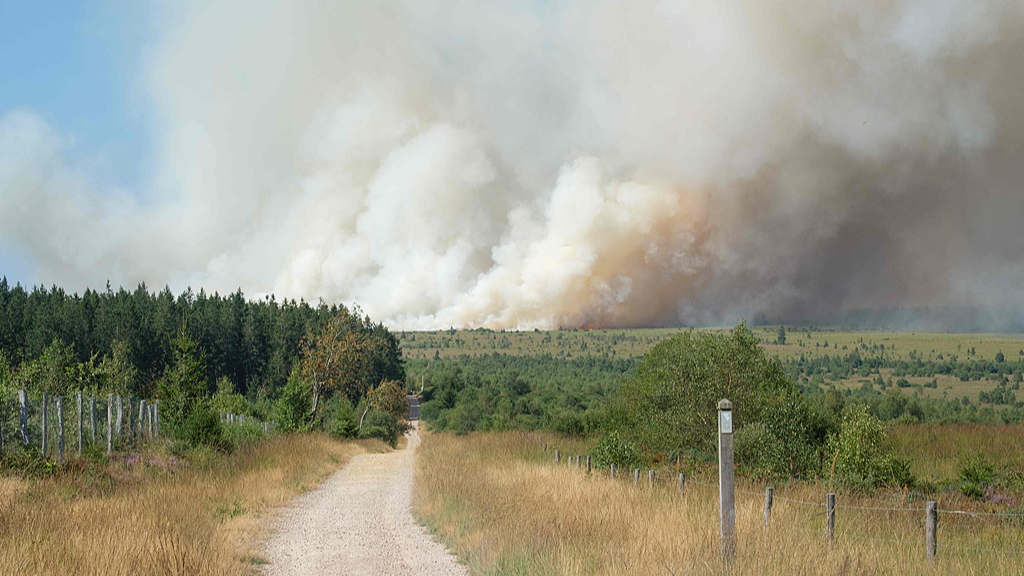
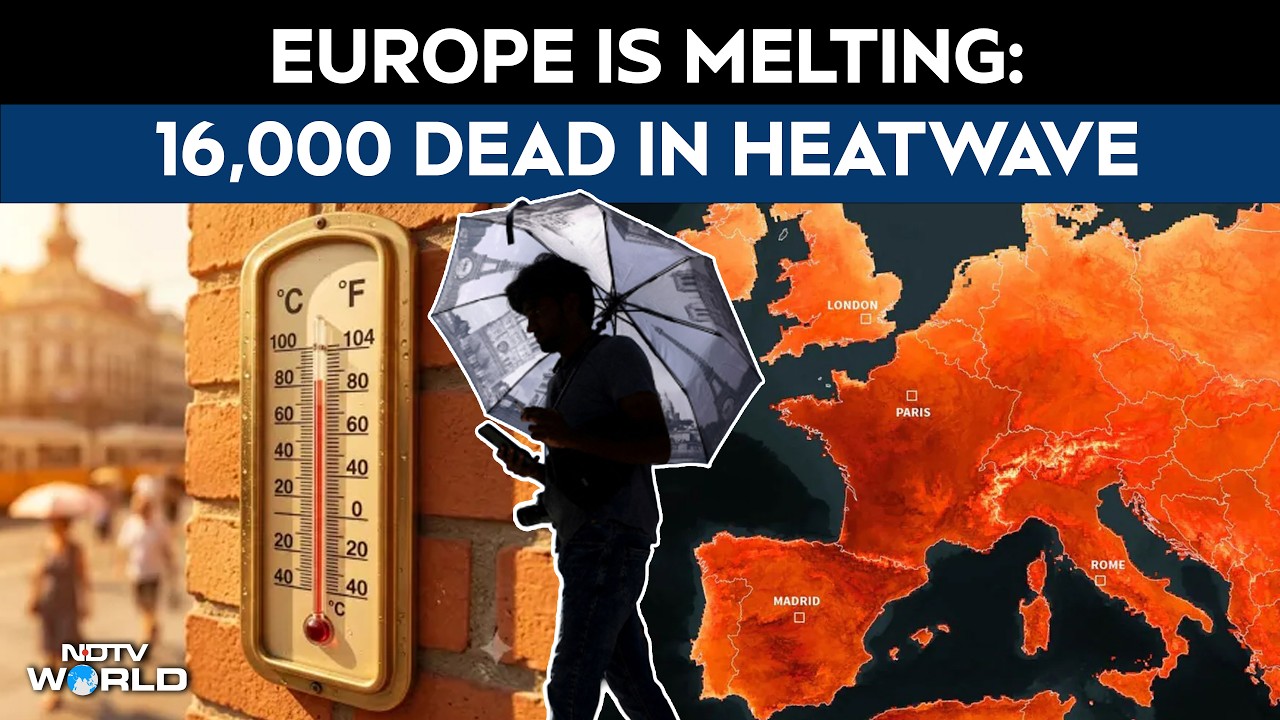
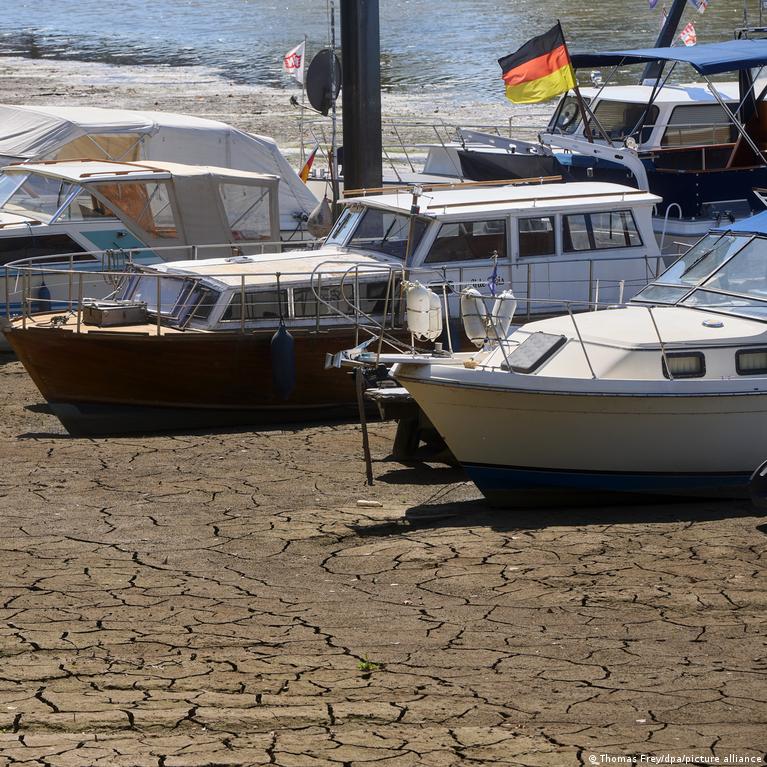
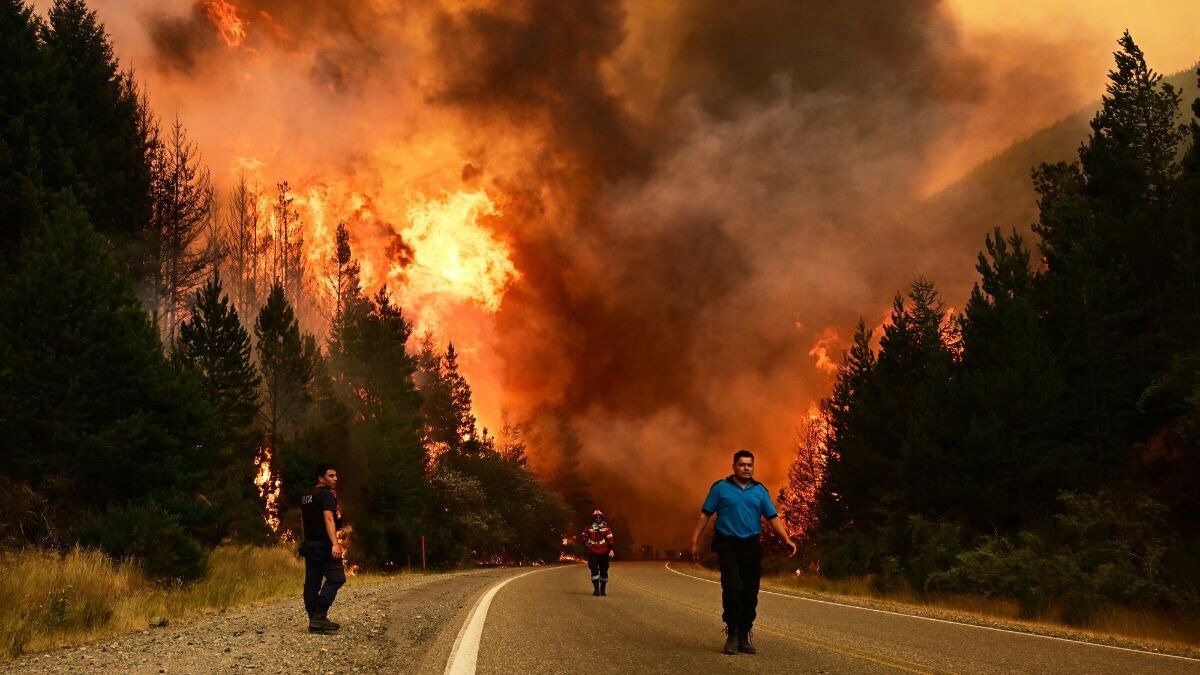
- Meteorologists warn that the next 12 to 18 months could witness an increase in extreme weather events worldwide, including more intense heatwaves, shifts in monsoon patterns, severe droughts in some regions, and enhanced flood risks in others.
The developing El Nino in the tropical Pacific is poised to become the strongest ever experienced by modern humans, with sea surface temperatures already reaching 'Super El Nino' status. Current projections indicate that subsurface heat content is exceeding levels recorded during the powerful El Nino events of 1982-83, 1997-98, and 2015-16.13
According to climate analysts, Colin McCarthy stated, "This event is breaking records across multiple indicators, including the pace of warming, projected peak intensity, and the volume of stored ocean heat." Scientists expect the El Nino to strengthen further through the second half of the year, potentially reaching its maximum intensity around November and December.
If forecasts hold, it could surpass previous benchmark events by a significant margin. Combined with long-term human-driven climate change, the powerful El Nino could temporarily push global average temperatures close to 2 degrees Celsius above pre-industrial levels during early 2027, placing the planet in climate territory not seen for hundreds of thousands of years.5
Meteorologists warn that the next 12 to 18 months could witness an increase in extreme weather events worldwide, including more intense heatwaves, shifts in monsoon patterns, severe droughts in some regions, and enhanced flood risks in others.89
“Subsurface heat content in the tropical Pacific already exceeds levels from the 1982-83, 1997-98, and 2015-16 events, and combined with climate change could push global temperatures near 2°C above pre-industrial levels by early 2027. Meteorologists warn of increased extreme weather over the next 12-18 months.”