- El Niño has already broken records and could be on course to be the strongest in a thousand years. The sea surface temperature of the El Niño region of the Pacific has already reached the previous 2015 high of 3C above average, and temperatures are on course to be 4C above average, far beyond anything seen before.
- Around the peak of El Niño, there are likely to be more wildfires in Indonesia and drought in the Amazon rainforest. The Indian monsoon has already been weakened because of El Niño.
- Forecast systems can confidently predict events six to nine months ahead, allowing farmers to plant different crops and governments to strengthen defences.
- The main response should be to reduce greenhouse gases, but geoengineering options, such as creating clouds to cool the ocean surface, may also influence El Niño events.
- Climate change makes it more likely El Niños will be fiercer, but that is still not certain because the impact depends on the temperature difference with other oceans.
- El Niño is a transfer of heat from the ocean to the atmosphere, but it is just part of a cycle.
- Recent record heat is more likely a signal of global warming combined with persistent anticyclonic circulation patterns, not a direct result of El Niño.
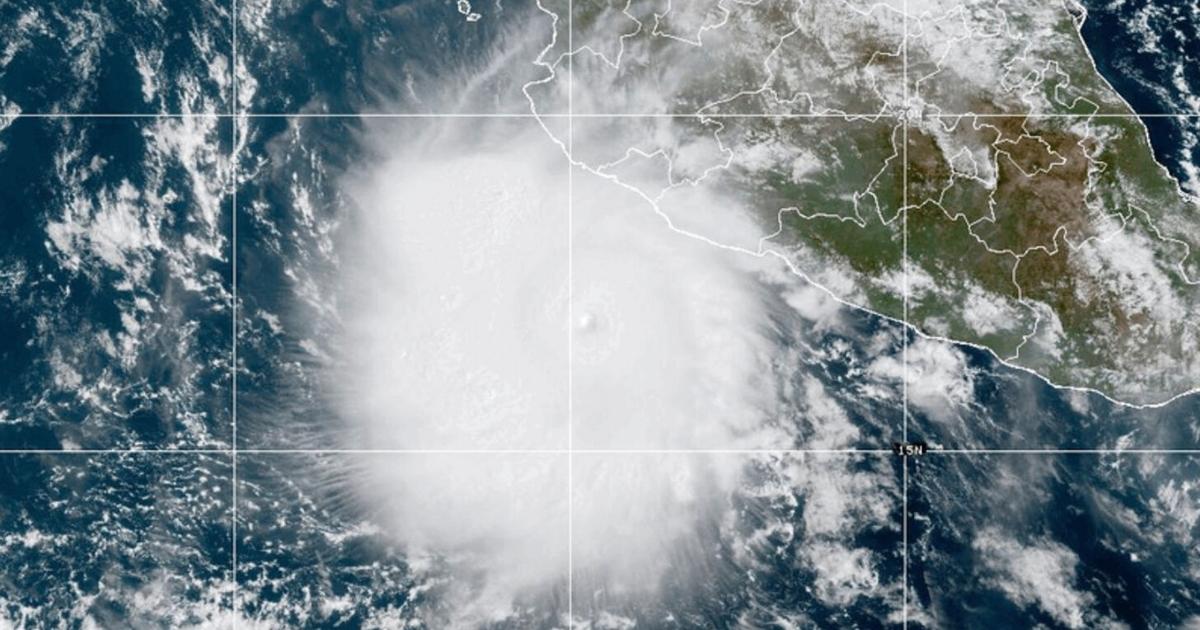
El Niño is on track to become the strongest event in a thousand years, with sea surface temperatures in the Pacific reaching a staggering 3°C above average. This record-breaking phenomenon is exacerbated by climate change, which complicates predictions and intensifies weather extremes.15
The current El Niño has already surpassed the previous high set in 2015, and temperatures could rise to 4°C above average by year-end. The interaction between human-driven climate change and natural variability makes it challenging to assess their individual contributions to these extreme temperatures.
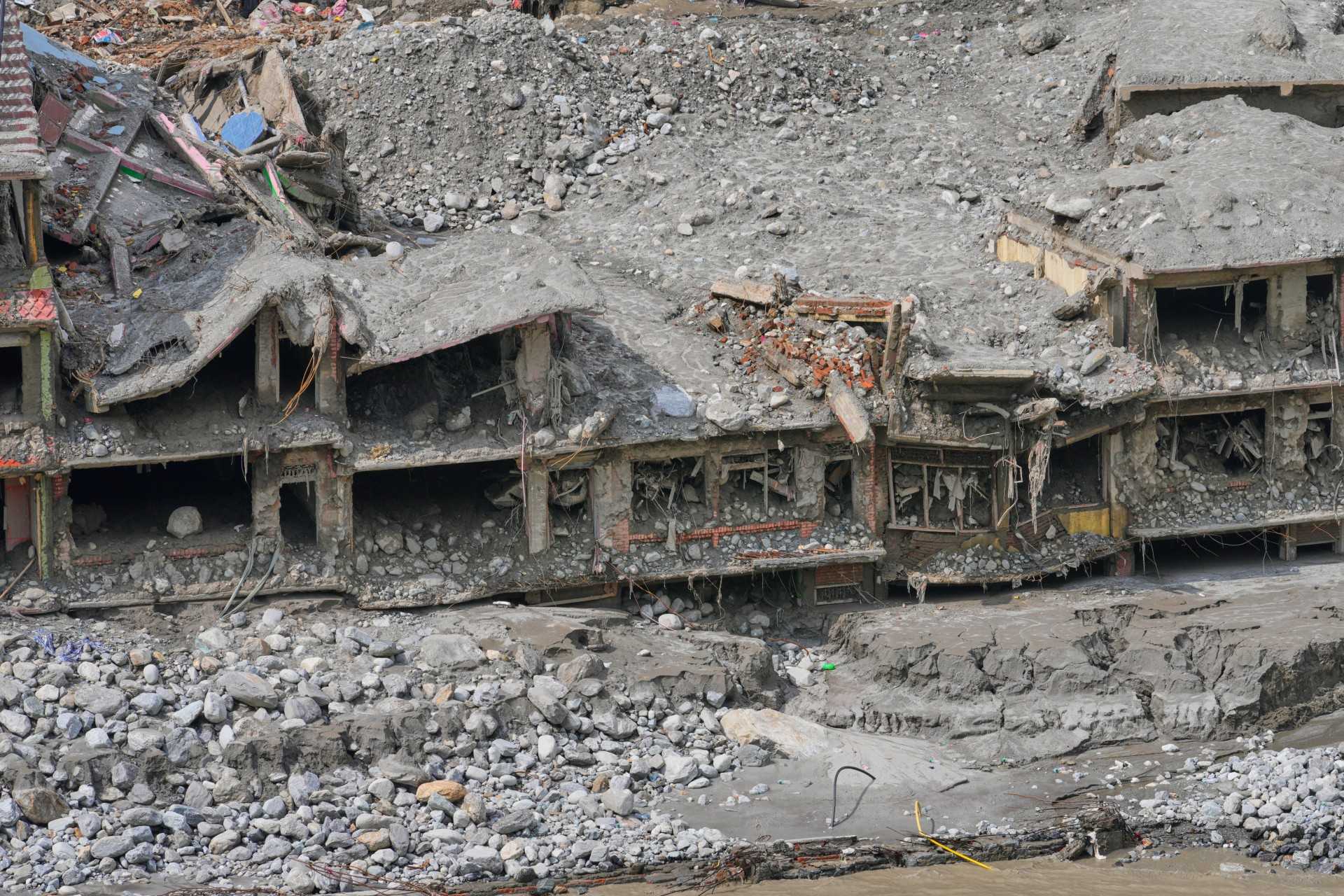
Meteorologists warn of severe consequences, including wildfires in Indonesia and drought in the Amazon. The Indian monsoon has already been weakened, and regions as distant as the UK may experience wetter winters and drier springs.2
Forecast systems have improved significantly, allowing predictions of El Niño events six to nine months in advance. This foresight enables proactive measures, such as advising farmers in Latin America on crop choices and preparing infrastructure in Southeast Asia for potential wildfires.
Ultimately, experts emphasize the need to reduce greenhouse gases and explore innovative geoengineering solutions to mitigate the impacts of future El Niño events.4
“The Indian monsoon has already been weakened, and around the peak, more wildfires in Indonesia and drought in the Amazon are likely. Forecast systems can confidently predict events six to nine months ahead, allowing farmers to plant different crops and governments to strengthen defences.”

 The Guardian