- Netanyahu initially favored a second vote after the inconclusive election, but now supports a power-sharing rotation agreement on paper, despite past experience showing such agreements are unreliable.
- Eisenkot's meetings with Avigdor Liberman have failed to unify the anti-Netanyahu bloc and may have complicated matters further.
- The anti-Netanyahu bloc has agreed that the Knesset speakership should remain with Yashar!, the largest party in the bloc, to avoid internal conflict, with Liberman and Eisenkot agreeing on replacing current Speaker Amir Ohana.
- Netanyahu's public calls for unity are intended to pressure Eisenkot's bloc to abandon alternative coalition arrangements and embrace Netanyahu's proposal.
- Rivals remember past betrayal when Benny Gantz was promised the premiership under legal agreements that were not honored.
- Netanyahu is publicly pushing unity but is actually playing for time and views a unity government as the lesser of two evils compared to a rival-led government.
- Netanyahu's conciliatory messages are backed by careful calculations aimed at portraying rivals as unwilling to compromise if Israel heads to another election.
- Liberman has suggested alternative coalitions, promising to bring in ultra-Orthodox parties if he gets support, and noting a government with them would make Netanyahu nervous.
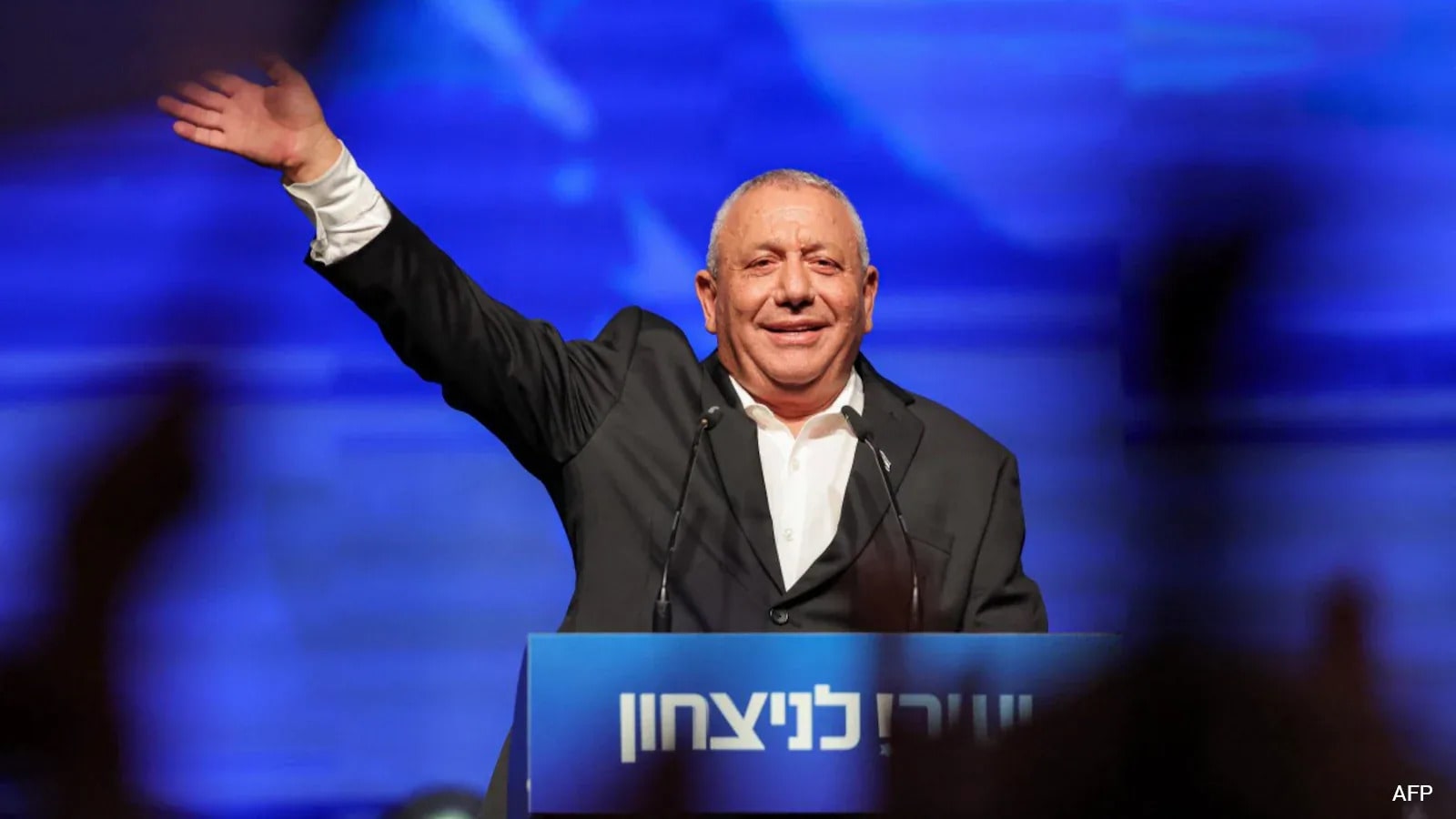
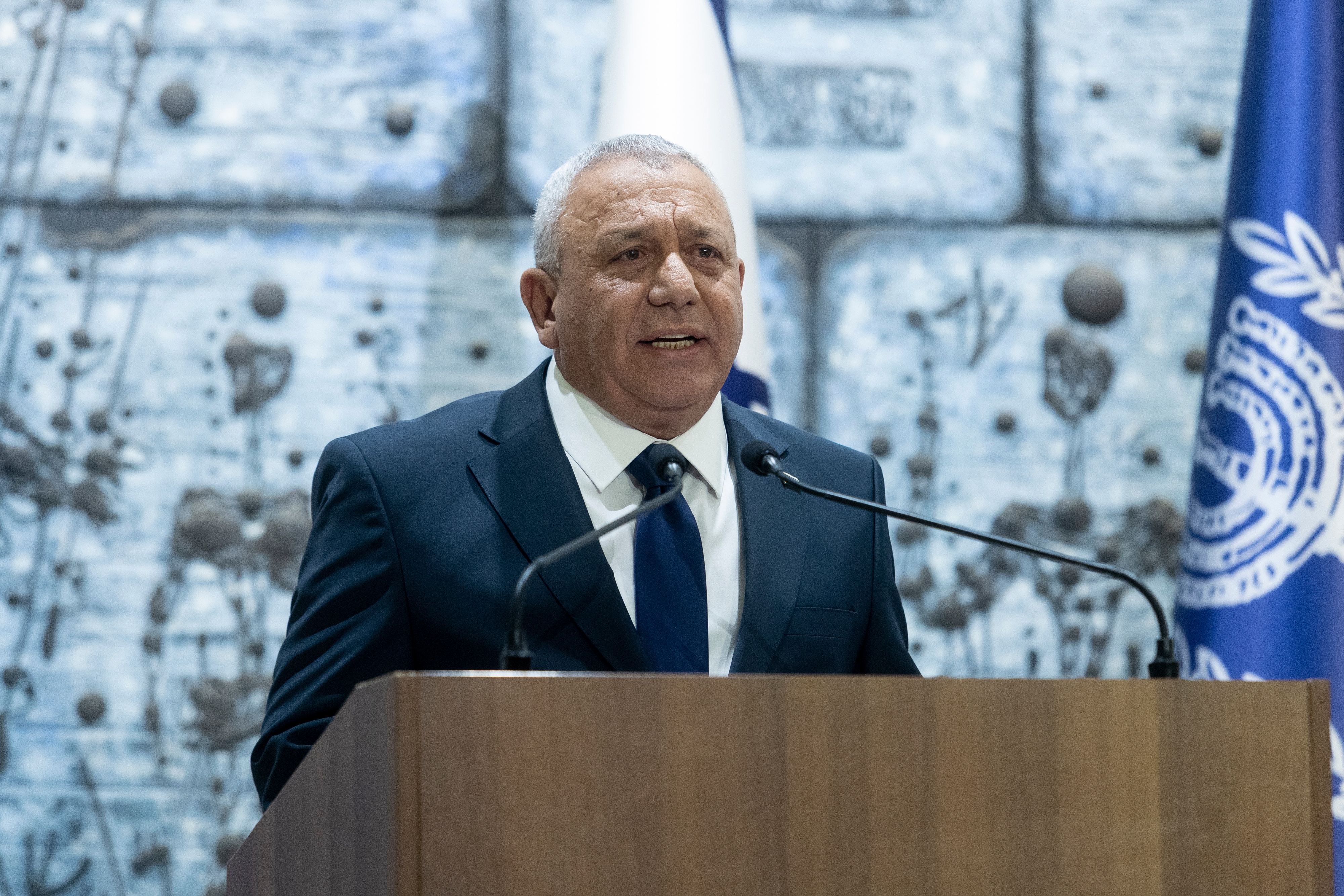
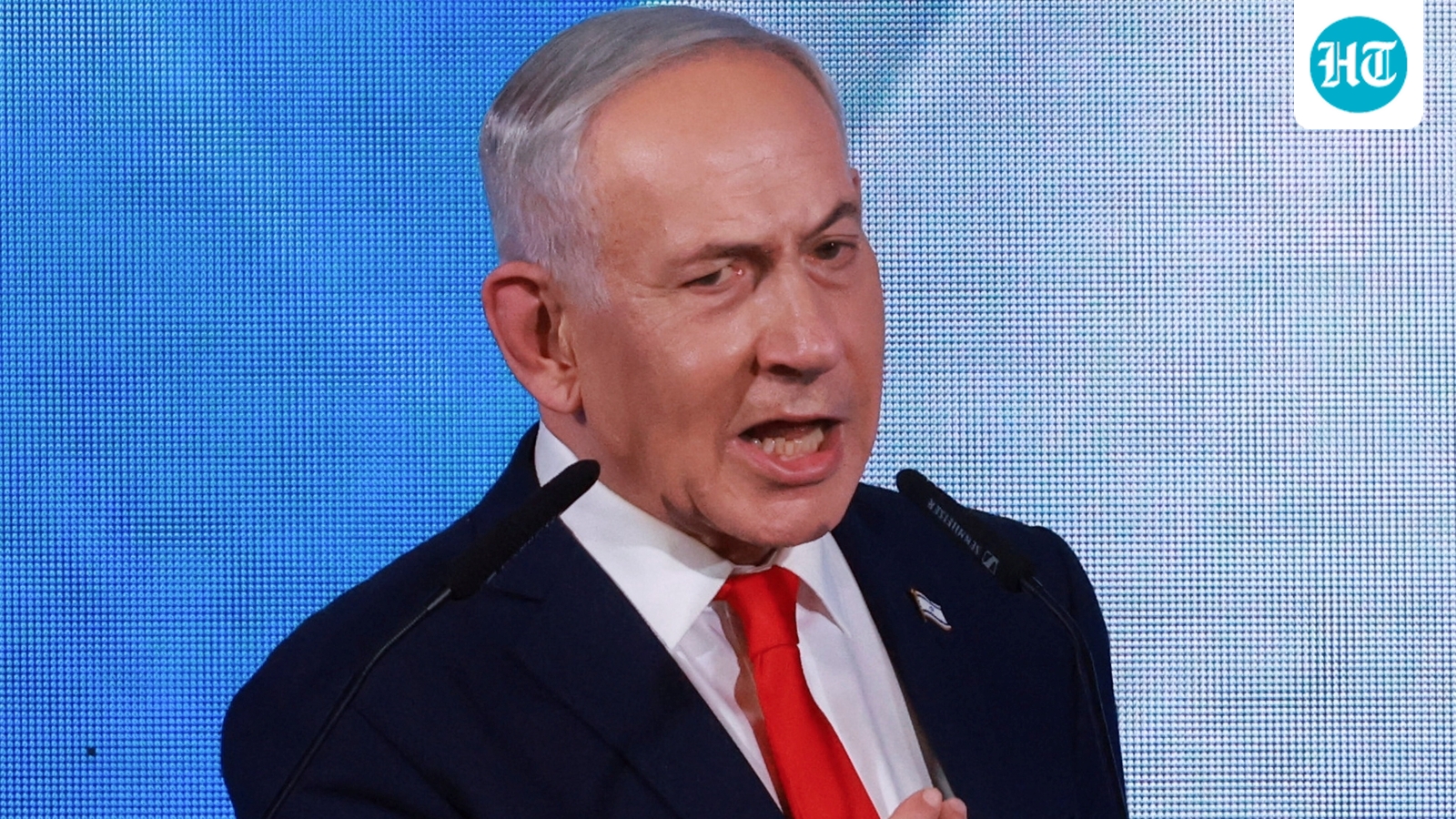
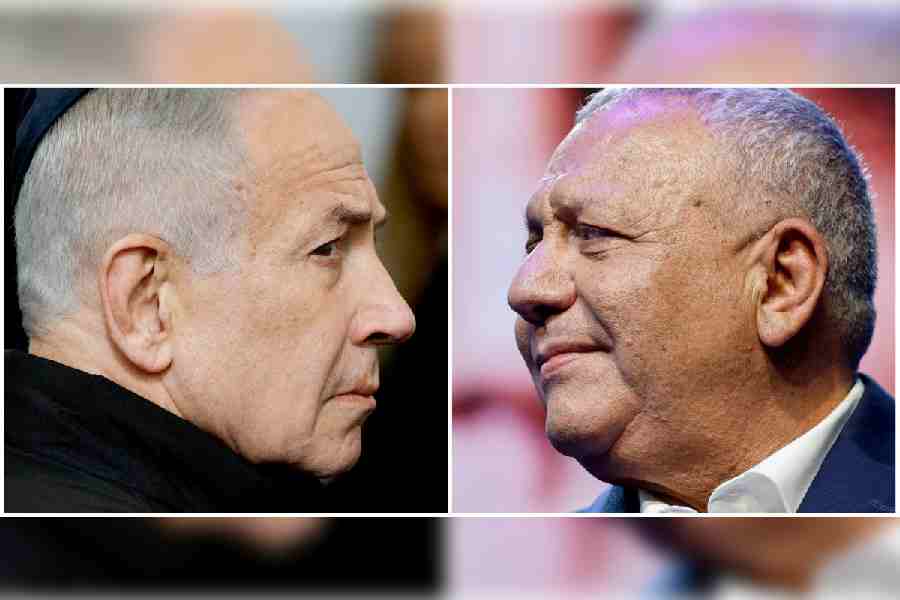
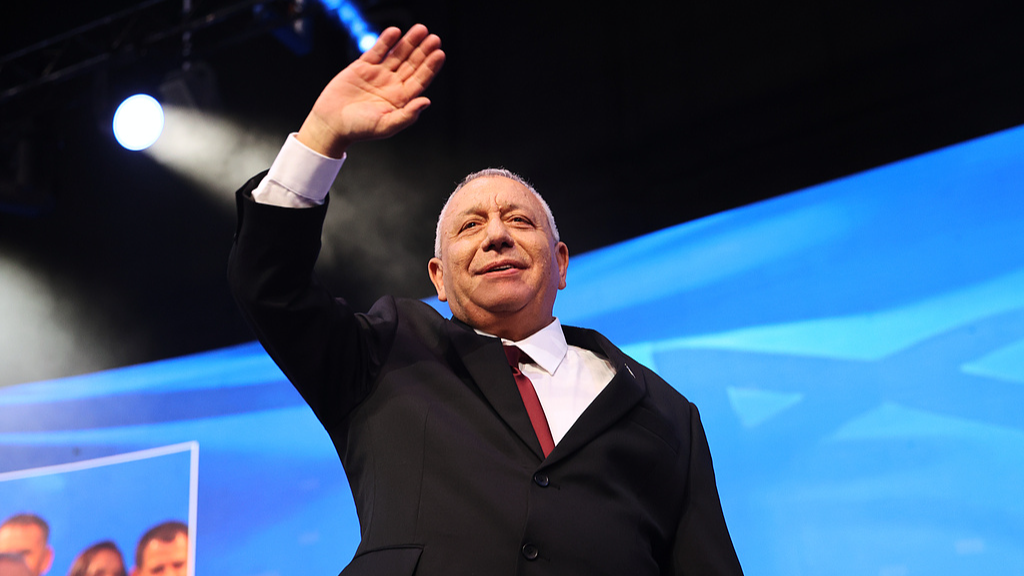
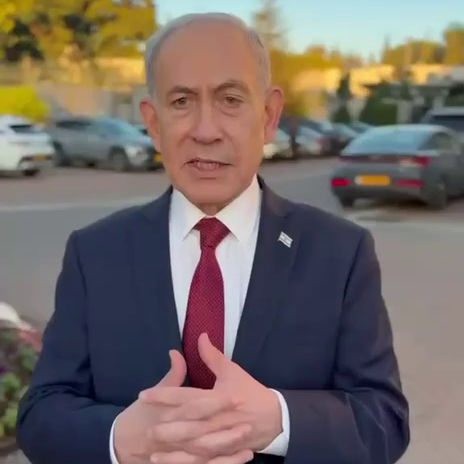
Israeli Prime Minister Benjamin Netanyahu is ramping up his push for a unity government as Gadi Eisenkot of the Yashar! party is tasked with forming a new coalition. Netanyahu perceives a unity government as the lesser evil compared to a rival bloc government, which could lead to another election.45
Behind Netanyahu's conciliatory messages lies a strategy to portray his opponents as unwilling to compromise. If no candidate succeeds in forming a government, Netanyahu aims to position himself as the responsible leader who sought cooperation while his rivals boycotted him. “Give up their support, and I'll make sure to bring in the ultra-Orthodox parties,” promised Yisrael Beytenu chairman Avigdor Liberman, highlighting the precarious nature of coalition negotiations.31415
Eisenkot's attempts to unify the anti-Netanyahu bloc have faced challenges, with past betrayals, particularly involving Benny Gantz, casting a long shadow. The memory of failed agreements that were supposed to guarantee Gantz the premiership complicates trust among rival factions. “Everyone remembers how that ended,” reflects the sentiment among political players.78
Despite these hurdles, the only consensus emerging is the agreement to retain the Knesset Speaker position within Yashar!, aiming to avoid further internal conflict. Eisenkot's meetings have yet to stabilize the political landscape, leaving uncertainty in the air as the clock ticks on government formation.
“Eisenkot's meetings with Avigdor Liberman have failed to unify the anti-Netanyahu bloc, and the two only agreed on replacing Knesset Speaker Amir Ohana. Liberman suggests bringing in ultra-Orthodox parties, warning such a government would make Netanyahu nervous as it could last four years.”
 ynetnews