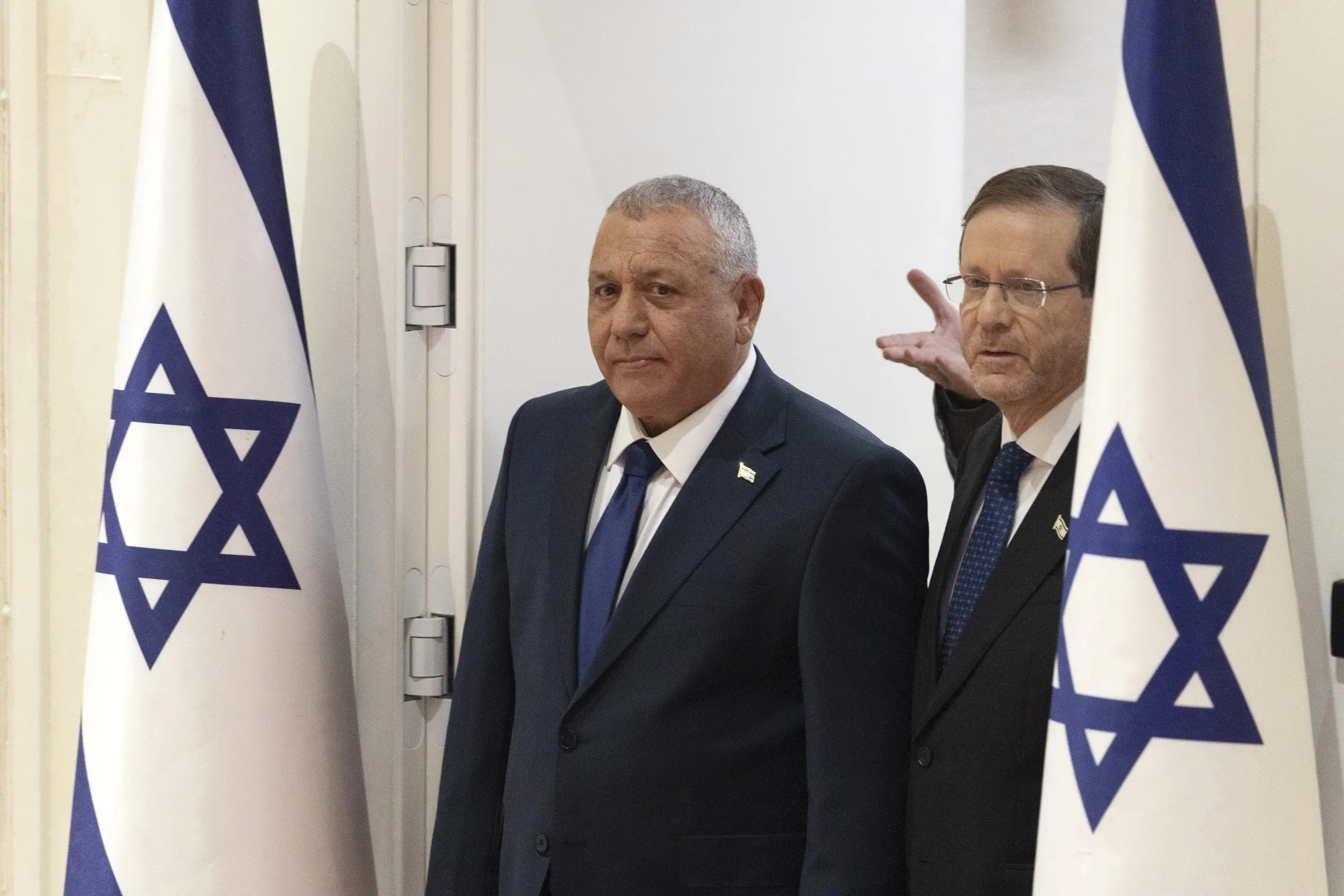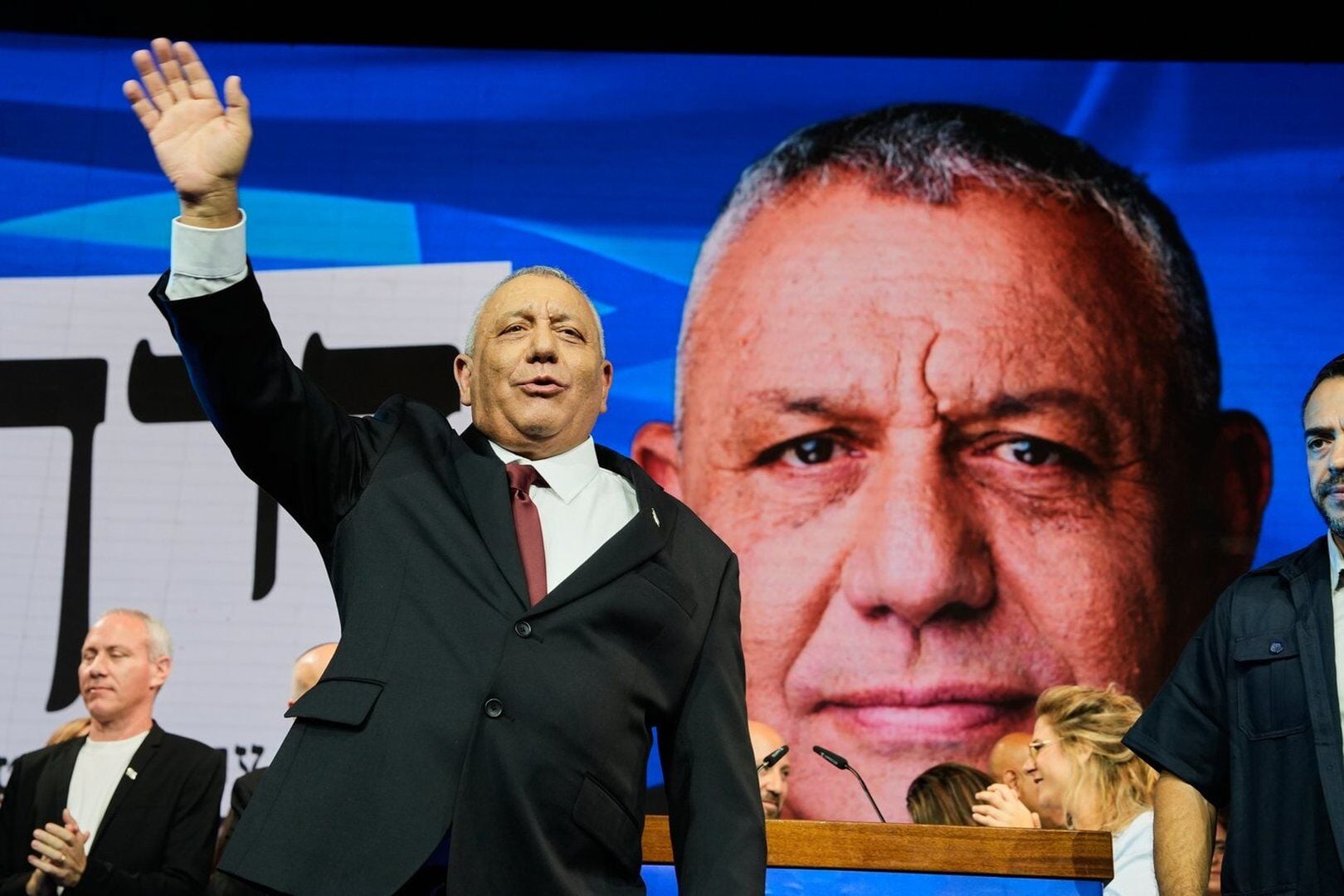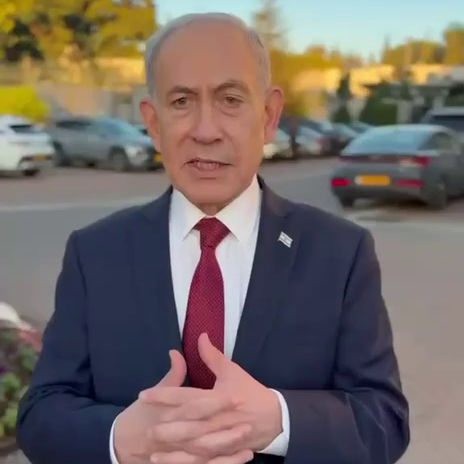
- Netanyahu is stepping up his push for a unity government while the rival bloc struggles to unite behind Yashar! chairman Gadi Eisenkot.
- Liberman threatened that if support is given up, he would ensure the inclusion of ultra-Orthodox parties in the government.
- An agreement between Eisenkot and Liberman has ruled out the possibility of appointing Yaakov Asher as temporary Knesset speaker.
- Eisenkot is believed to be leaning toward keeping the Knesset speakership for himself.
- The memories of past betrayals, particularly the agreements that were supposed to guarantee Benny Gantz the premiership, are still fresh among the rivals.
- Netanyahu views a unity government as the lesser of two evils compared to a government formed by the rival bloc.
- The next two years coincide with the final stretch of U.S. President Donald Trump's term, influencing Netanyahu's pursuit of a unity government.
Israeli Prime Minister Benjamin Netanyahu is ramping up his push for a unity government as the opposition bloc struggles to consolidate support behind Yashar! chairman Gadi Eisenkot. With memories of past betrayals, particularly the failed agreements with Benny Gantz, the opposition faces internal divisions.13456
Netanyahu's strategy appears to be a calculated move to portray himself as the responsible leader amid a fragmented opposition. If no candidate can form a government, he could leverage the situation to his advantage, presenting himself as the one seeking cooperation while his rivals remain divided. "Give up their support, and I'll make sure to bring in the ultra-Orthodox parties," stated Yisrael Beytenu chairman Avigdor Liberman, highlighting the tensions within the anti-Netanyahu bloc.27
The political landscape is further complicated by the potential for new elections, which remains a real possibility. Netanyahu's push for unity is seen as a way to mitigate risks associated with a rival government. “Faced with the prospect of a government formed by the rival bloc or a unity government, Netanyahu sees the latter as the lesser of two evils,” an analyst noted. As discussions continue, Eisenkot's position as a potential Knesset speaker remains uncertain, with indications he may prefer to retain that role for himself.
As the political drama unfolds, the stakes are high for both Netanyahu and Eisenkot, with the future of Israeli governance hanging in the balance.
“Liberman threatened to bring in ultra-Orthodox parties if his support is dropped, noting such a coalition could last four years and unsettle Netanyahu. Meanwhile, an Eisenkot-Liberman agreement ruled out United Torah Judaism's Yaakov Asher as speaker, with Eisenkot leaning toward taking the role himself.”

 ynetnews