
- A vaccine won’t be coming soon to help quell the Ebola outbreak raging through the Democratic Republic of Congo.
- There are no existing vaccines targeted to the species of Ebola that is already suspected to have infected individuals.
- Global health officials say producing doses of the most promising candidate will take at least six to nine months.
- The US has dismantled the U.S. Agency for International Development (USAID), leading to a significant reduction in public health efforts, resulting in 482 suspected cases and 116 deaths from Ebola in the Democratic Republic of the Congo (DRC) since April.
- The Ebola outbreak was declared a public health emergency of international concern (PHEIC) by Tedros Adhanom Ghebreyesus, the director general of the World Health Organization (WHO).
- US foreign assistance to the DRC is projected to drop from $1.4 billion in 2024 to $431 million in 2025 and only $21 million so far this year, which has been described as disruptive.
- Experts emphasize that Ebola can be stopped, but without mobilizing adequate public health efforts, the outbreak continues as the US is perceived to be choosing not to intervene effectively.
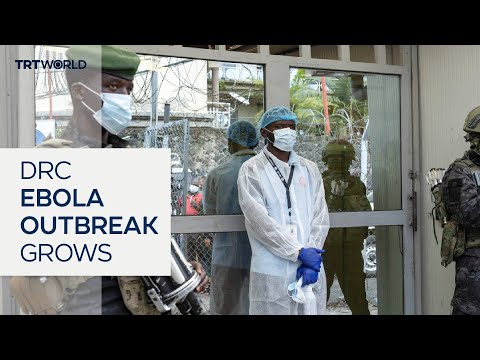
The Democratic Republic of Congo (DRC) is grappling with a severe Ebola outbreak, prompting global health officials to declare it a public health emergency of international concern.
As of now, there are 482 suspected cases and about 116 reported deaths since April, with neighbouring Uganda and South Sudan at risk of infection.4
However, relief is not forthcoming as no vaccine is available for the specific species of Ebola currently affecting the region. Experts estimate production of a promising candidate could take at least six to nine months.
Funding for response efforts has also drastically declined due to the U.S. withdrawal of assistance, impacting health initiatives across the board.
US foreign assistance to the DRC has plummeted from $1.4 billion in 2024 to $431 million in 2025, with just $21 million provided this year.
Health officials warn that “Ebola can be stopped,” stressing the urgent need for mobilization of funds and health resources to prevent further spread of the virus. Key scientific research has also been halted due to these cuts, making it harder to control the outbreak.
The situation remains critical as outbreaks can easily escalate without proper funding and medical infrastructure in place.
We are choosing to ignore the need for swift action in tackling this crisis.
“The Ebola outbreak in the Democratic Republic of Congo is exacerbated by a lack of vaccines and significant cuts to public health funding. Experts warn that these reductions in support risk further escalation of the crisis.”
Context on US health funding cuts
The outbreak was declared a public health emergency of international concern (PHEIC) by the director general of the World Health Organization (WHO), underscoring the urgency of the situation. The US has made drastic funding cuts, reducing foreign assistance to the DRC from $1.4 billion in 2024 to $431 million in 2025 and only $21 million so far this year. Staff layoffs and high-profile departures at US health agencies have left crucial positions vacant, further compromising the response to the Ebola outbreak.



 The Guardian