
- Ebola cases have increased almost 40% in a week, with the death toll surpassing 200 in the Democratic Republic of Congo, marking the worst known outbreak at this stage.
- Currently, there are 894 confirmed cases of Ebola, which is three times worse than a previous outbreak in Uganda in 2000.
- Contact tracing remains a significant challenge due to the area's remoteness and ongoing insecurity, with only around 4,000 contacts tracked so far.
- Families are learning to grieve safely, as traditional practices like washing dead bodies are now strongly discouraged to prevent further spread of the virus.
- Joel Lonza Makumbu shared his grief, stating, "Yesterday I buried my father. Today I have come to say goodbye to my mother."
- The outbreak is primarily concentrated in Ituri province, which accounts for more than 90% of the cases, with additional cases reported in North Kivu and South Kivu provinces.
- The Bundibugyo virus, responsible for the outbreak, has no approved vaccines or treatments, complicating the response efforts.
- Efforts are being made to accommodate grieving families while ensuring infection prevention measures are respected, according to public health officials.
Ebola cases in the Democratic Republic of Congo have surged nearly 40% in just one week, with the death toll now exceeding 200. The outbreak, driven by the rare Bundibugyo virus, has been declared a public health emergency, affecting 32 health zones across eastern Congo.17
According to Africa’s Centres for Disease Control and Prevention, the outbreak has claimed more than 200 lives and has up to 35,000 suspected potential contacts. Dr. Wessam Mankoula, a medical epidemiologist at Africa CDC, noted that the current outbreak is three times worse than a previous outbreak in Uganda in 2000, which had 281 cases at the same point.
The outbreak is concentrated in Ituri province, which accounts for over 90% of the cases. “Currently only around 4,000 contacts have been tracked and are being evaluated, less than 15%,” Mankoula stated. The ongoing conflict has displaced nearly a million people, complicating contact tracing efforts.36
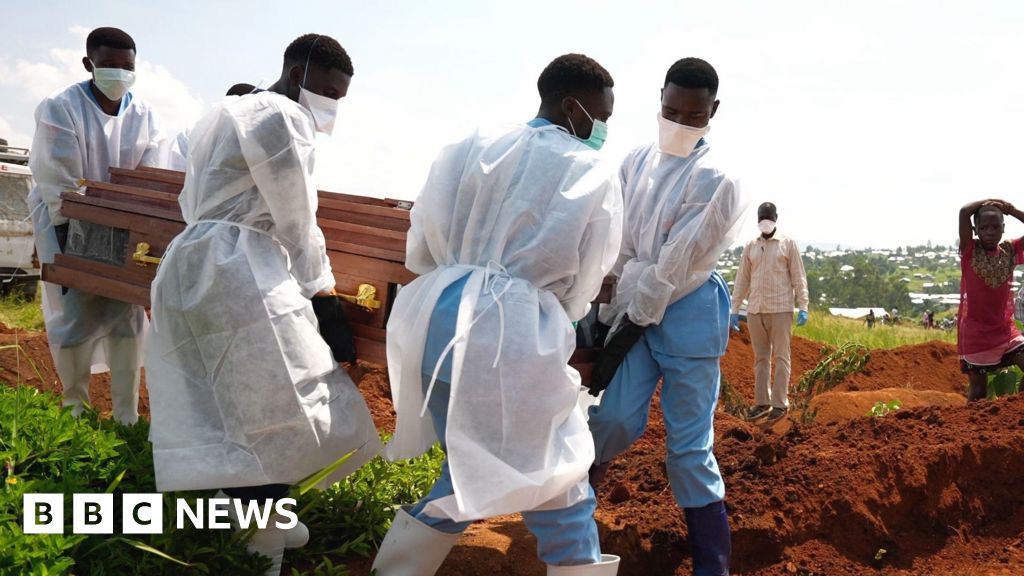
Families are learning to grieve safely amid the crisis, with traditional practices like washing dead bodies now discouraged. Maria Munoz-Bertrand from the International Federation of the Red Cross emphasized the need for community engagement: “We need to be very close to the communities and engage with them very closely.” As the outbreak continues, the need for resources remains critical, with only $90 million of the pledged $900 million released to combat the crisis.4
“This is a big blow for us,” said Simone Nyal, mourning the loss of his daughter. “She was ill for just one week before she succumbed.”
“The Ebola outbreak has seen a nearly 40% increase in cases over the past week, with the death toll now exceeding 200. Families affected by the outbreak are learning how to grieve safely while facing the challenges of the crisis.”
 AP News
 BBC
BBC