- The Ulchi Freedom Shield (UFS) exercise, which began on Monday, will end on 21 August, six days earlier than originally planned, at the request of the US.
- South Korea’s military has confirmed that joint military drills with the US will be cut short, days after Donald Trump exercises.
- A Pentagon official later confirmed the US military was 'substantially' reducing joint exercises with South Korea.
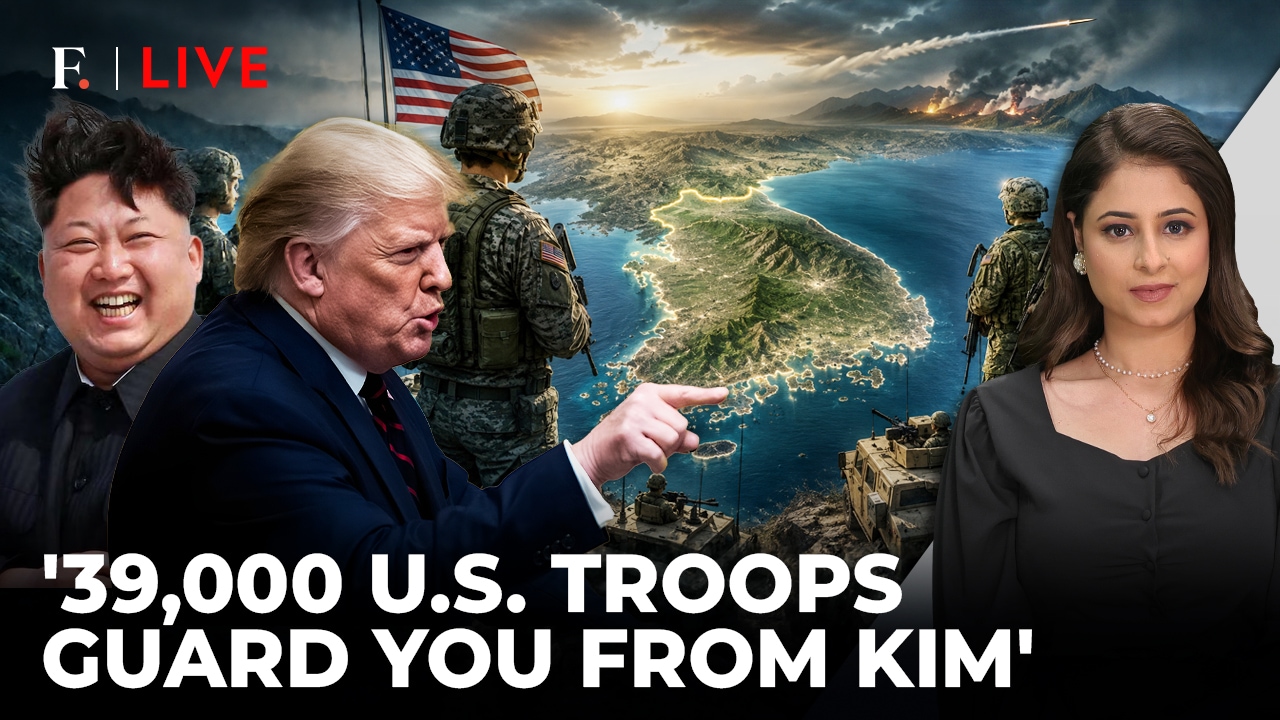
- Trump expressed he was 'not happy' with US participation in the exercise, citing his 'very good relationship' with North Korean leader Kim Jong-un, and described the drills as costly and 'hostile' toward Pyongyang.
- South Korea’s foreign minister, Cho Hyun, stated that Seoul had been caught off guard by Trump’s directive.
- Days before the exercise began, Lt Gen Scott Winter, deputy commander of the United Nations Command, described this year’s UFS exercise as 'bigger and better than ever'.
- Previous cuts and cancellations to joint exercises, including in 1992, 1994, and after Trump’s first summit with Kim, were all decided before the drills began, rather than after they were already under way.
- The Wall Street Journal reported that Trump was pushing aides to arrange a meeting with Kim as early as the northern hemisphere autumn.
- Trump had privately discussed an in-person meeting to take place during his next trip to Asia, which could be in November when he is expected to attend the Asia-Pacific Economic Cooperation (Apec) summit in Shenzhen, China.
Donald Trump has ordered a significant reduction in the Ulchi Freedom Shield military exercises with South Korea, ending the drills six days early at the request of the US.35
The Ulchi Freedom Shield (UFS) exercise, which began on Monday, was originally scheduled to run until 28 August.12
South Korea's joint chiefs of staff confirmed the early termination on Wednesday, stating it was at the request of the US.
South Korea's foreign minister, Cho Hyun, expressed that the directive caught Seoul off guard, indicating a potential strain in the US-South Korea alliance.6
Trump expressed dissatisfaction with the US's participation in the drills, labeling them as costly and 'hostile' towards North Korea.
He emphasized his 'very good relationship' with North Korean leader Kim Jong-un, suggesting a shift in US military strategy in the region.4
This decision follows a pattern of previous reductions in joint exercises, which have historically been made before drills commence, not during.
Lt Gen Scott Winter, deputy commander of the United Nations Command, had previously described this year's UFS exercise as 'bigger and better than ever.'7
Additionally, reports indicate that Trump is pushing for a meeting with Kim as early as autumn, potentially during his next trip to Asia for the APEC summit in November.10
“Trump expressed he was 'not happy' with US participation in the drills, citing his 'very good relationship' with Kim Jong-un and calling the exercises costly and 'hostile' toward Pyongyang. South Korea's foreign minister, Cho Hyun, revealed that Seoul was caught off guard by Trump's directive to cut the drills short.”
 The Guardian