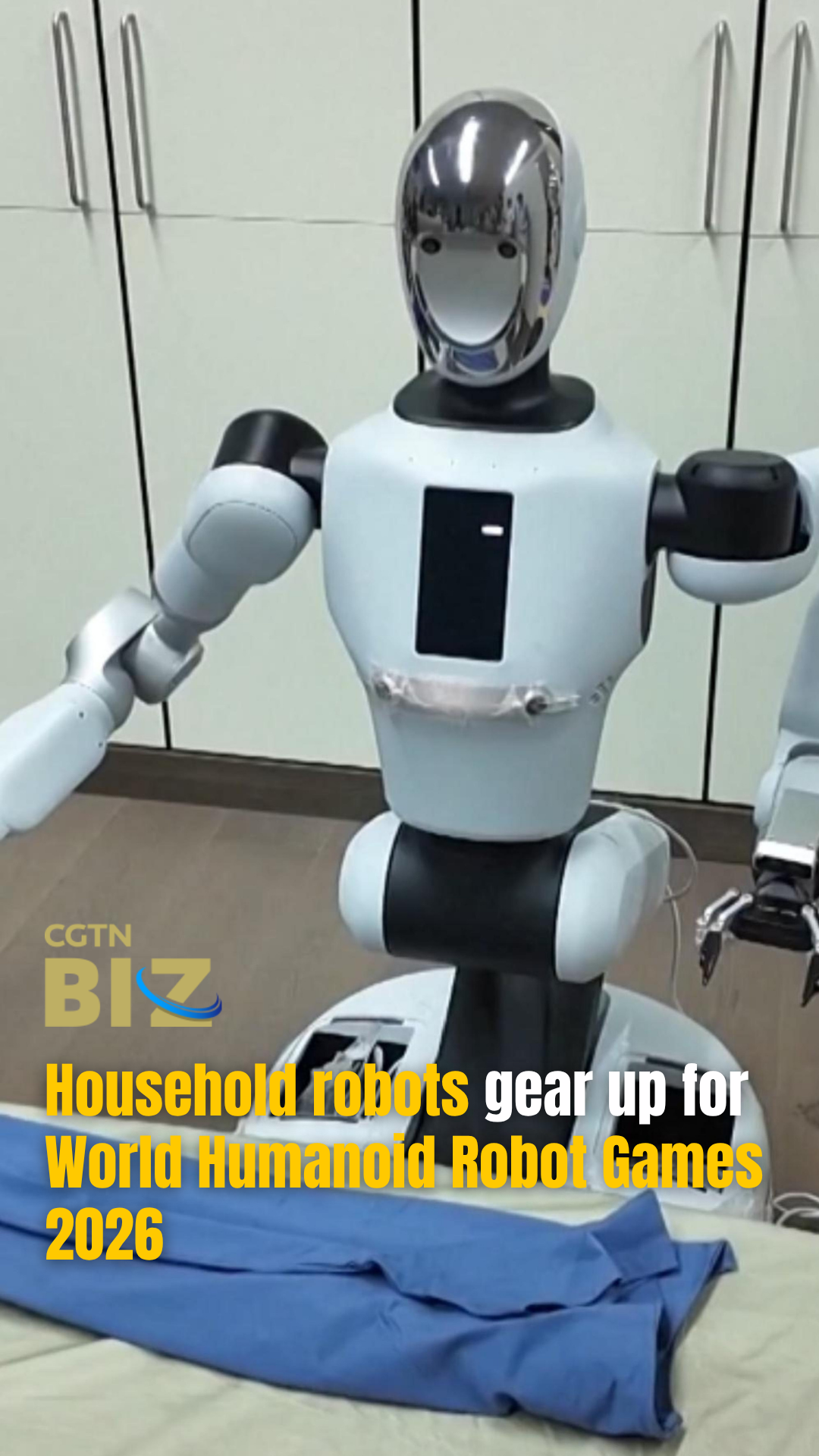
- Domestic service robots are being put through their paces ahead of the upcoming World Humanoid Robot Games in Beijing from August 22-26.
- Chinese robot makers showcased their latest machines at a Beijing conference, seeking to convince investors and customers that the technology is moving forward for broader commercial adoption.
- More than 300 companies are attending the conference, displaying over 2,000 exhibits and launching more than 150 products, according to Beijing authorities.
- Global humanoid robot shipments surged 272% year on year, reaching 19.1K units in the first half of 2026, according to research firm Smart Analytics Global.
- Industrial and commercial applications now account for more than 70% of the humanoid robot industry volume.
- Global humanoid robot shipments are expected to approach 60K units in 2026, nearly tripling year-on-year, with industry revenue reaching approximately US$1.6 billion.
- Samsung has established a dedicated Robotics eXperience division, backed by a 19 trillion won (~$14 billion USD) investment to accelerate its humanoid robotics plans.
- LG Electronics and Nvidia confirmed their collective development of a next-generation humanoid robot, scheduled for debut in Q1 2027.
Domestic service robots are preparing for the World Humanoid Robot Games in Beijing from August 22-26. The event showcases advancements in robotics, with over 300 companies displaying more than 2,000 exhibits.1
Global humanoid robot shipments surged 272% year-on-year, reaching 19,100 units in the first half of 2026, according to Smart Analytics Global.46
The firm projects shipments will approach 60,000 units by the end of the year, with industry revenue estimated at US$1.6 billion.

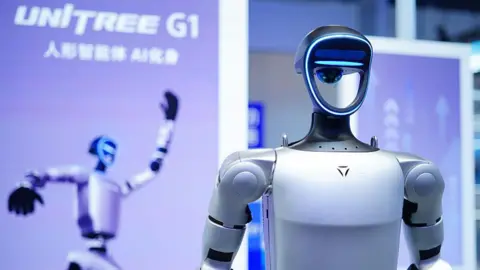
Chinese robotics companies are at the forefront, with innovations like Unitree's G1 humanoid capable of kung fu kicks and LG Electronics collaborating with Nvidia on a next-generation robot set for a Q1 2027 debut.910
At a recent conference in Beijing, Vice Minister Xin Guobin emphasized robotics as a vital force in China's economic development.
Zhang Dapeng, from industrial robot firm Leju, noted their robots match human efficiency in logistics tasks.
Despite the growth, analyst Georg Stieler warns that up to 70% of humanoid robots may be used for data collection rather than productive work.
The surge in shipments reflects a growing interest in humanoid robots, with companies like Samsung investing ₩19 trillion (approximately US$14 billion) in robotics initiatives.78
“China's humanoid robot market is booming, with shipments expected to reach nearly 60K units in 2026, generating approximately $1.6 billion in revenue. At the Beijing conference, over 300 companies showcased their innovations, with Vice Minister Xin Guobin emphasizing robotics as a key driver of economic growth.”



 news.cgtn.com