
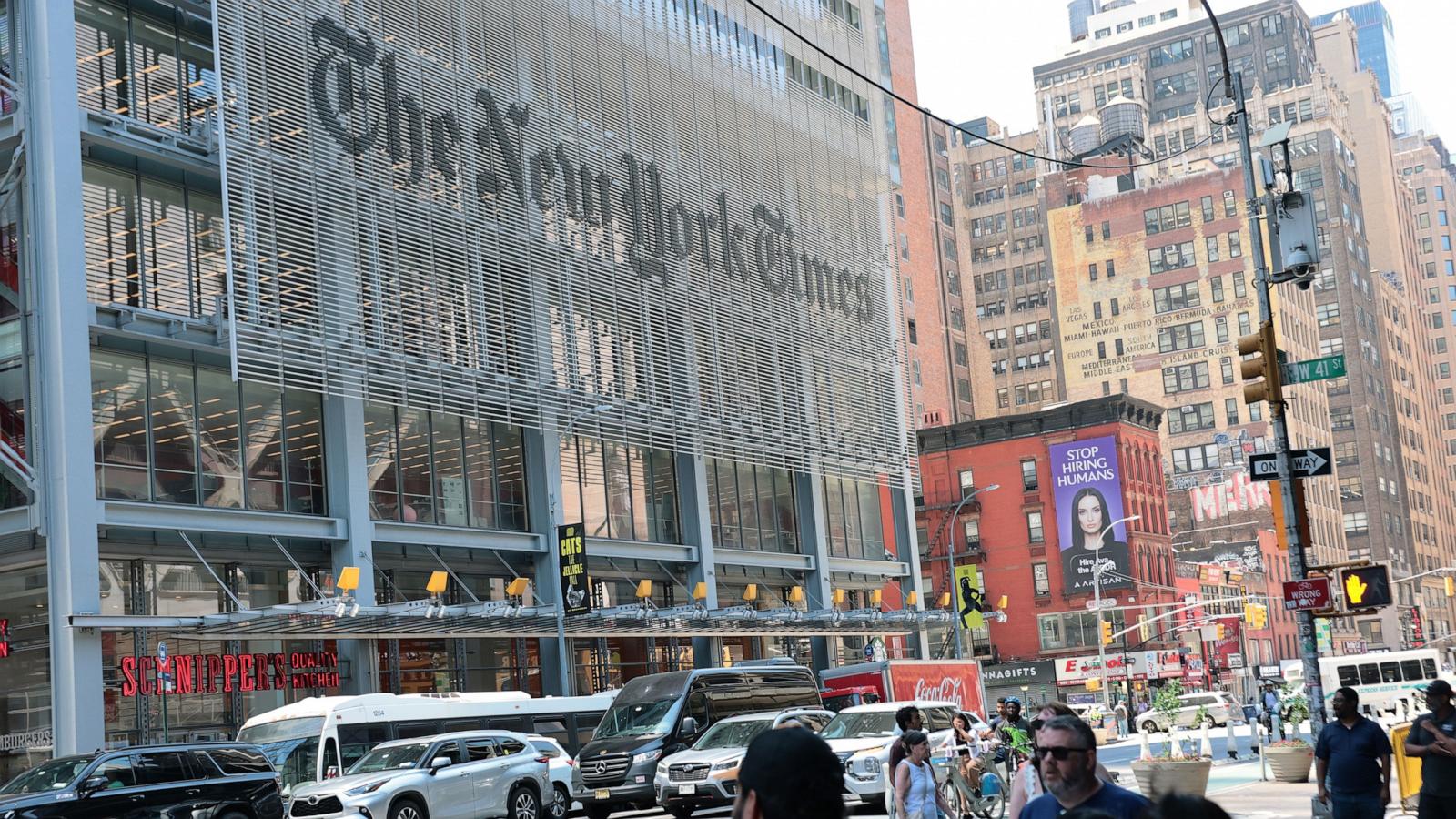
- DOJ withdrew subpoenas it obtained for New York Times reporters involved in an article about President Donald Trump's new Air Force One jet, prosecutors told a federal judge in New York.
- The move came at a hearing in U.S. District Court in Manhattan, where Judge Arun Subramanian was considering a motion by the Times to quash the subpoenas targeting its journalists.
- Subpoenas were issued by Manhattan U.S. Attorney Jay Clayton on July 10, seeking to compel Times reporters to testify before a federal grand jury.
- Several of the subpoenas were delivered by federal agents to reporters' homes.
- The subpoenas were issued after the Times reported security concerns about Trump's new Air Force One, which was donated by Qatar.
- The Times had reported that Trump flew from Turkey on the old Air Force One instead of his new Qatari-donated Boeing 747-8 as a security precaution related to the resumption of hostilities with Iran.
- The subpoenas were criticized as an attempt to intimidate journalists and violate free press protections under the First Amendment.
The Department of Justice (DOJ) has withdrawn subpoenas issued to New York Times reporters concerning an article about President Trump's new Air Force One jet, following a court hearing where Judge Arun Subramanian was set to consider a motion to quash the subpoenas.27
The subpoenas, issued on July 10 by Manhattan U.S. Attorney Jay Clayton, sought to compel Times journalists to testify before a federal grand jury. The DOJ's action came after the Times reported security concerns regarding the new Qatari-donated aircraft, which Trump opted not to use during a flight from Turkey due to its lack of certain defensive features.5
“The appearance of federal law enforcement agents on the doorstep of news reporters should shock the conscience of any American who believes in the Constitution and the press freedom it protects,” stated David McCraw, the Times' lawyer.
The DOJ had argued that the Times' reporting posed a “substantial national security concern” amid ongoing hostilities with Iran, suggesting that the coverage could leak classified information. However, the Times contended that the subpoenas were an attempt to intimidate journalists and violate First Amendment protections.
The withdrawal of the subpoenas reflects ongoing tensions between the Trump administration and the media, with critics labeling the actions as part of a broader effort to undermine press freedoms.
The Times had also accused the DOJ of violating internal policies regarding the issuance of subpoenas against journalists, which are supposed to be rare and require high-level approval.
“The subpoenas, issued July 10 by Manhattan U.S. Attorney Jay Clayton, sought reporters' phone records and even targeted one reporter's mother. The Times' lawyer condemned the doorstep appearances as a 'shock to the conscience' for First Amendment protections.”
 CNBC
CNBC ABC News - Breaking News, Latest News and Videos



