- DNC members voted in Austin, Texas, to overhaul the primary calendar for 2028, moving states with diverse populations to the front.
- South Carolina will kick off the primary season on January 22, 2028, followed by Nevada on February 1, New Hampshire on February 8, and New Mexico, Michigan, and Virginia later in February.
- Iowa has been excluded from the early lineup, marking a significant change in the DNC's approach to the primary calendar.
- The new calendar formalizes a change that began during the last presidential election cycle in 2024, when the national Democratic Party similarly put South Carolina at the front of its primary lineup.
- New Hampshire previously defied party leaders by holding a state-run primary ahead of South Carolina, citing state law.
The Democratic National Committee (DNC) has officially approved a new primary calendar for the 2028 presidential election, marking a significant shift in the party's approach to early voting states.
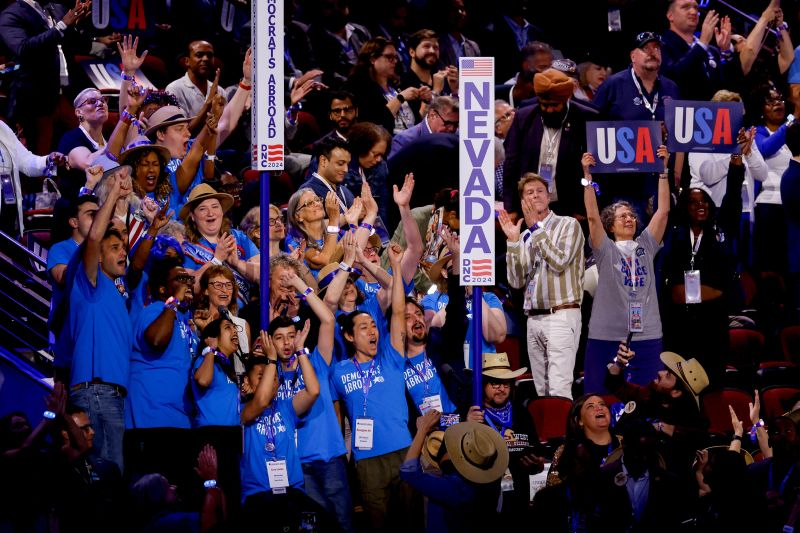
The calendar elevates South Carolina as the first nominating contest on January 22, 2028, followed by Nevada on February 1, and New Hampshire on February 8. New Mexico, Michigan, and Virginia will also participate in the early voting lineup, with New Mexico's primary scheduled for February 15, Michigan on February 22, and Virginia on February 29.34589
This overhaul aims to better reflect the party's diverse voter base, as highlighted by DNC Chair Ken Martin, who described the new calendar as “the most diverse in the party’s history.” He emphasized that it will “battle-test our nominee with key parts of our coalition and key parts of the country in a way that we’ve never seen before.”
The decision to exclude Iowa, a state that traditionally held the first nominating contest, has sparked controversy. Iowa Democratic Party Chair Rita Hart expressed concerns, stating, “We need a Midwest and a truly rural state to be among the first four states if we hope to build sustainable and lasting majorities.”6
Proponents argue that the new calendar will help Democrats engage with crucial voter demographics, particularly in states with significant Latino and Black populations, which are essential for winning the upcoming presidential election.
“The new calendar gives greater influence to states with more racial diversity, with South Carolina's Black population at roughly 25% and Nevada and New Mexico having large Latino populations. Iowa Democrats warned the move could send a wrong signal to rural voters, and New Hampshire was pushed deeper into the calendar despite its state law.”