- DMK suffered an electoral defeat, which Stalin acknowledged openly, stating that the party's office-holders' functioning was among the reasons for the loss.
- Stalin announced a comprehensive self-assessment and plans for major changes, emphasizing the need for every member of the party to perform well.
- The DMK's executive committee passed resolutions to restructure the party, expanding districts from 77 to 110 and introducing age and term limits for various posts.
- Under the new rules, branch secretaries must be aged 45 or below and can serve for a maximum of two terms.
- The most significant change is the expansion of district units from 77 to 110, with each district covering two assembly constituencies.
- District secretaries must be below 70 years old and may serve for a maximum of three terms.
- The party has fixed the maximum age cap for district unit secretaries at 70, limiting them to a maximum of three terms.
- Stalin stated that the DMK is a specialist of comebacks and expressed confidence that the party will return stronger.
- Stalin emphasized the need for younger faces in leadership positions to restore trust among youth and women.
- The DMK's restructuring aims to professionalise party operations and foster generational succession.
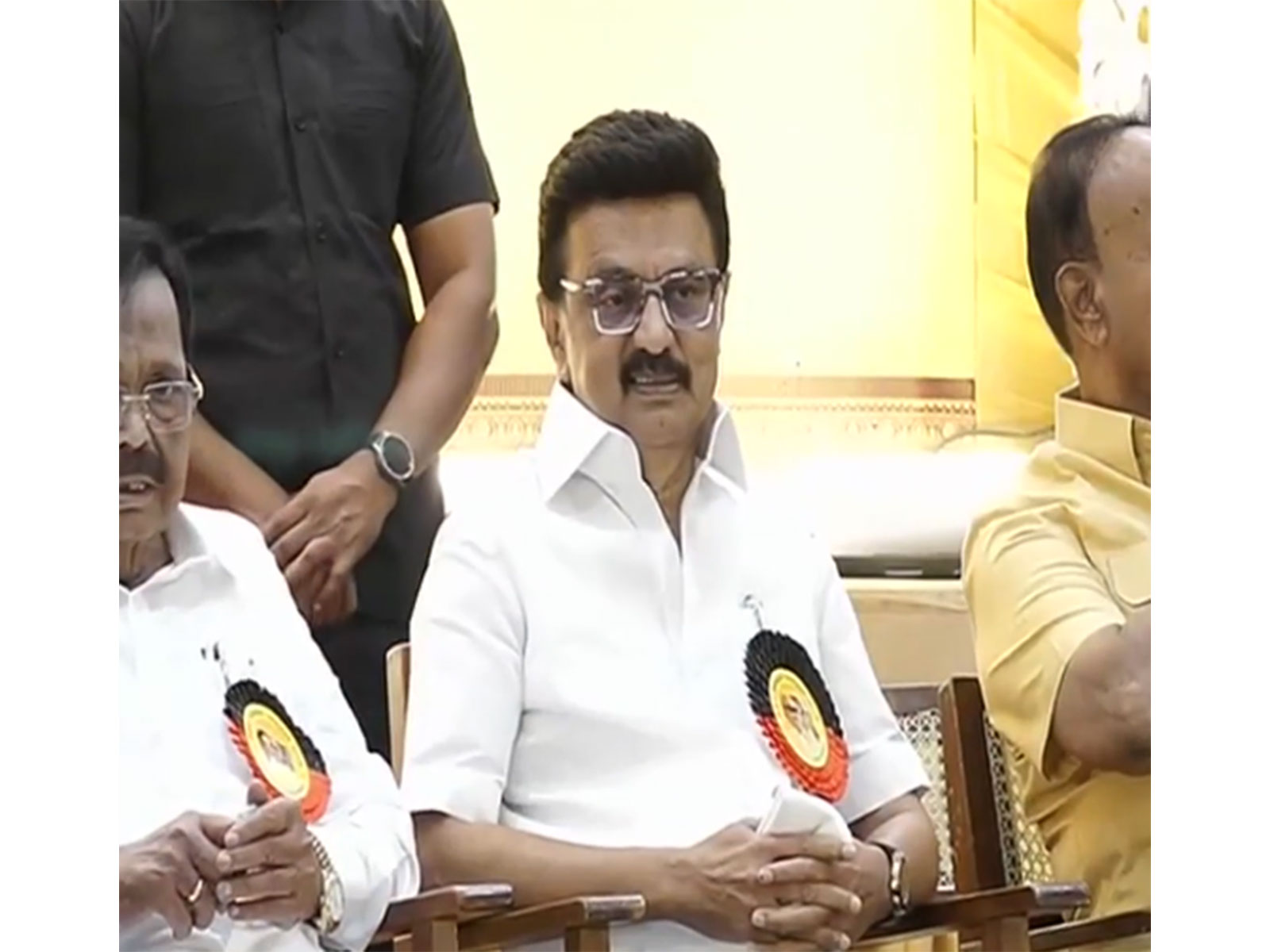
DMK chief MK Stalin has initiated a sweeping overhaul of the party's structure, introducing strict age limits and term caps for leadership roles following a recent electoral setback. The party's executive committee approved the expansion of districts from 77 to 110, aiming for localized governance.
Stalin acknowledged the party's defeat, stating, "Although there are several reasons for our defeat, the functioning of our party office-bearers is also one of them." He emphasized the importance of accountability, urging members to recognize their mistakes openly. “We must first acknowledge our mistakes. We must acknowledge them openly,” he added.

The new rules stipulate that branch secretaries must be aged 45 or below and can serve a maximum of two terms, while district secretaries must be under 70 and limited to three terms. This move aims to introduce younger leadership and ensure sustainability for the DMK over the next century.4
Stalin described the DMK as a “specialist” in comebacks, asserting that the party will return stronger. The restructuring includes abolishing the city secretary position in major urban centers and creating new organizational units based on voter density, with divisions in Chennai averaging 40,000 voters.8

The resolutions passed during the executive committee meeting reflect a commitment to professionalize party operations and foster generational succession, with a focus on restoring trust among youth and women.
Stalin concluded, “We are introducing age and term limits for party positions. Priority will be on new faces for party positions.”
“The executive committee approved increasing party districts from 77 to 110, with each district covering two assembly constituencies. Stalin said the party is a 'specialist' of comebacks and will 'give it back with interest and principal.'”