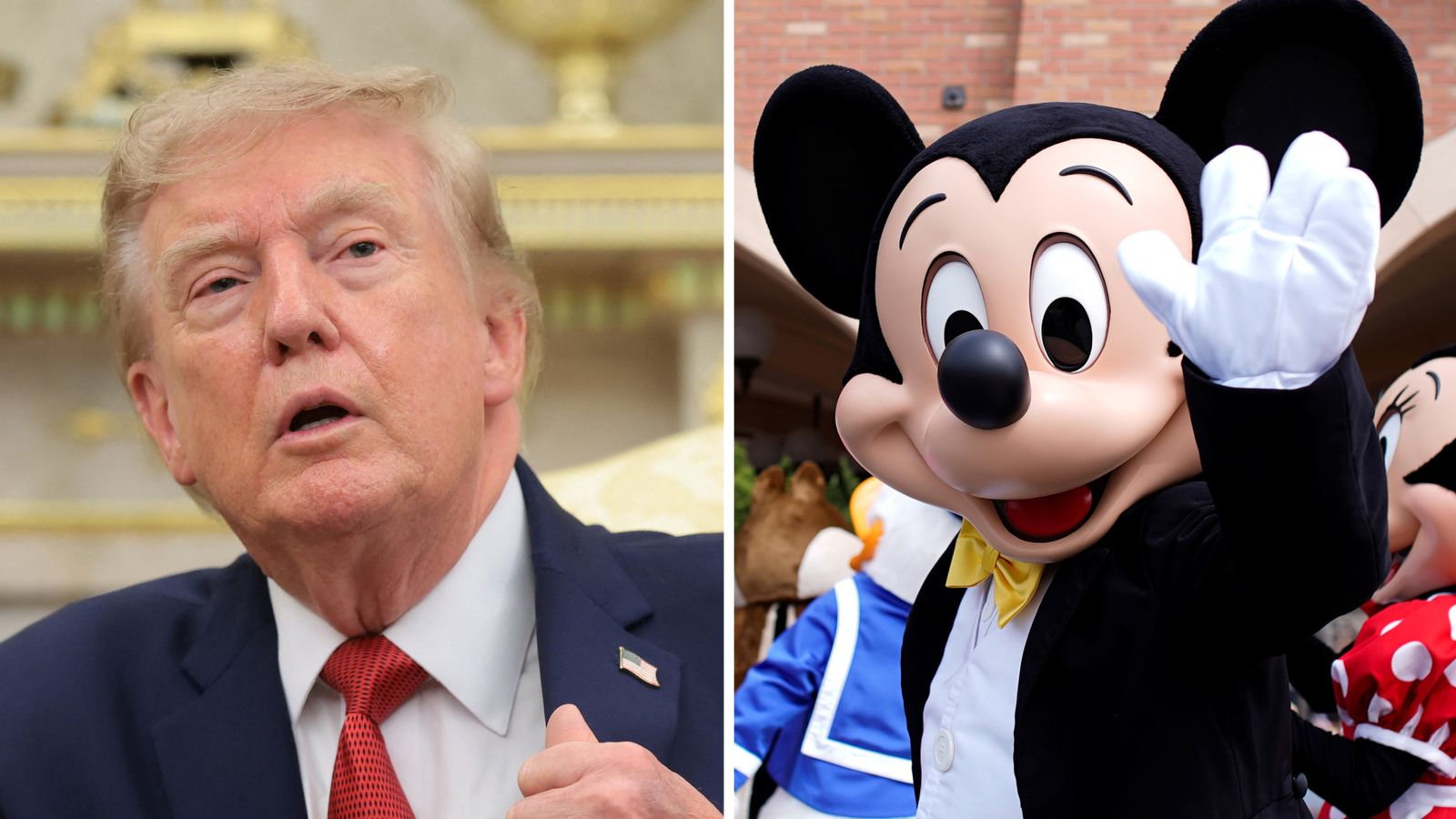
- Disney has sued the Trump administration's media regulator over what the entertainment giant described as an 'extraordinary assault on free speech'.
- In a lawsuit filed in a Washington court on Tuesday, Disney said the FCC was seeking to coerce and punish a network "that refuses to bow to the administration's demands".
- The lawsuit accuses the Trump administration of threatening the company's free speech rights, protected under the constitution, because of programming and editorial decisions the administration dislikes.
- Disney and ABC have filed a lawsuit to stop the Trump administration from launching an early licence renewal process, arguing that the network is being unfairly targeted over its editorial content.
- The lawsuit states that government censorship is deeply un-American, highlighting the Administration's sustained effort to do just that.
- The lawsuit claims the FCC is being pressured to renew broadcast licences years early, stemming from complaints under the direction of President Donald Trump.
- Disney and its eight owned-and-operated TV stations are plaintiffs in the lawsuit filed on Tuesday against the FCC and its chairman.
- ABC and Disney have requested a 'speedy hearing' from the court and a temporary restraining order.
- The FCC has been examining claims that Disney engaged in illegal DEI discrimination for over a year.
- The lawsuit notes that the FCC has never demanded early renewal applications from a group of stations commonly owned by a single broadcast network.
- In September 2025, President Trump openly threatened to take action against media companies that did not push back against comedian Jimmy Kimmel after he made remarks about the murder of conservative activist Charlie Kirk.
- Under pressure from Carr, Disney pulled Kimmel off air.
Disney has initiated legal action against the FCC, claiming that the agency's push for early license renewals for ABC stations constitutes an 'extraordinary assault on free speech'. The lawsuit, filed in Washington, argues that the FCC is being coerced by the Trump administration to punish Disney for its editorial choices.1
In the complaint, Disney asserts that the FCC's actions are a direct response to programming decisions that the administration disapproves of. The lawsuit states, 'Government censorship is deeply un-American', highlighting the constitutional protections of free speech that the company believes are being violated.5
Disney's legal team contends that the FCC has never before demanded early renewal applications from a single broadcast network's stations, indicating that this is an unprecedented move aimed at silencing dissenting voices. The lawsuit also notes that the FCC has been investigating claims of illegal DEI discrimination against Disney for over a year, further complicating the situation.10
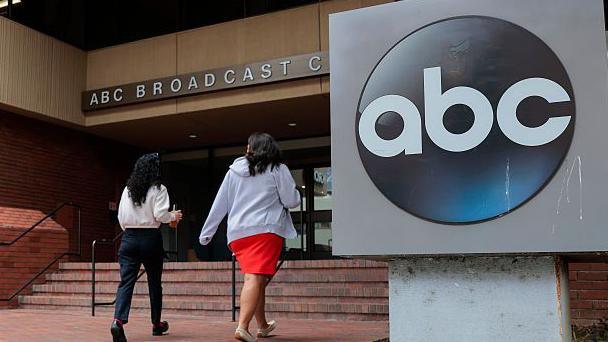
Disney and ABC are seeking a 'speedy hearing' and a temporary restraining order to halt the FCC's actions. The lawsuit underscores the tension between media companies and the government, particularly in light of President Trump's previous threats against media outlets that do not align with his views.9
As the case unfolds, it raises significant questions about the intersection of media freedom and government influence in the United States.
“The lawsuit alleges that the FCC is being pressured to renew broadcast licenses early due to complaints directed by President Trump. Disney argues that this constitutes an attack on its editorial independence, as the FCC has never previously demanded early renewal applications from a single broadcast network.”