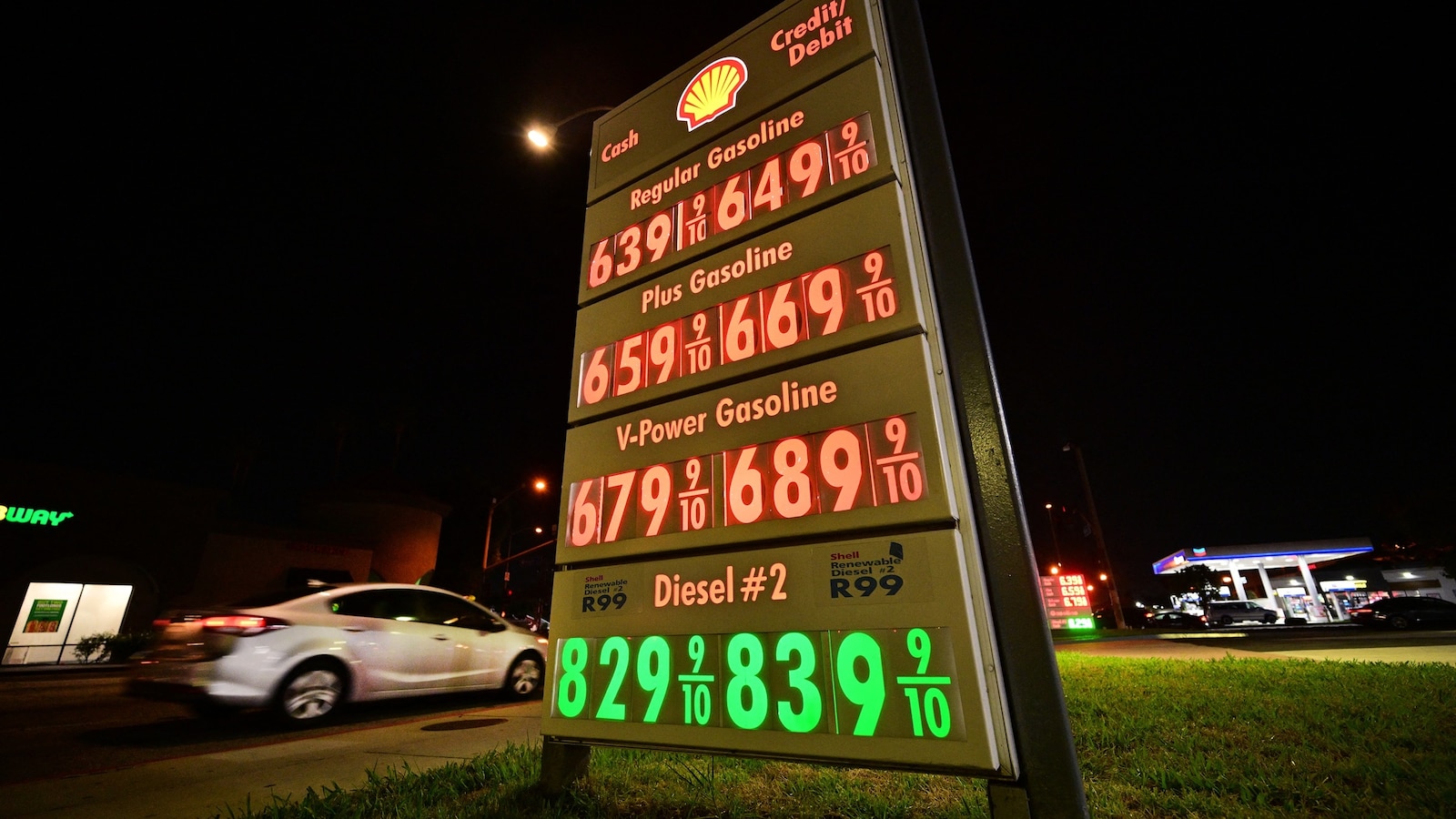
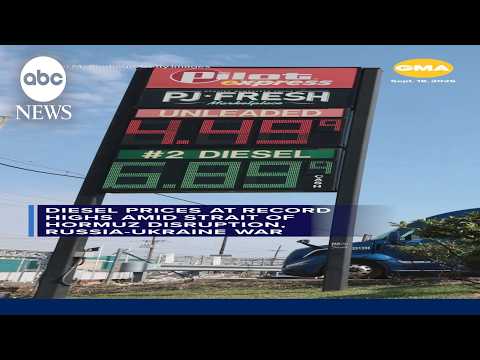
- Diesel prices reach a record high of $6.43 per gallon as of Friday morning, according to the latest data published by GasBuddy.
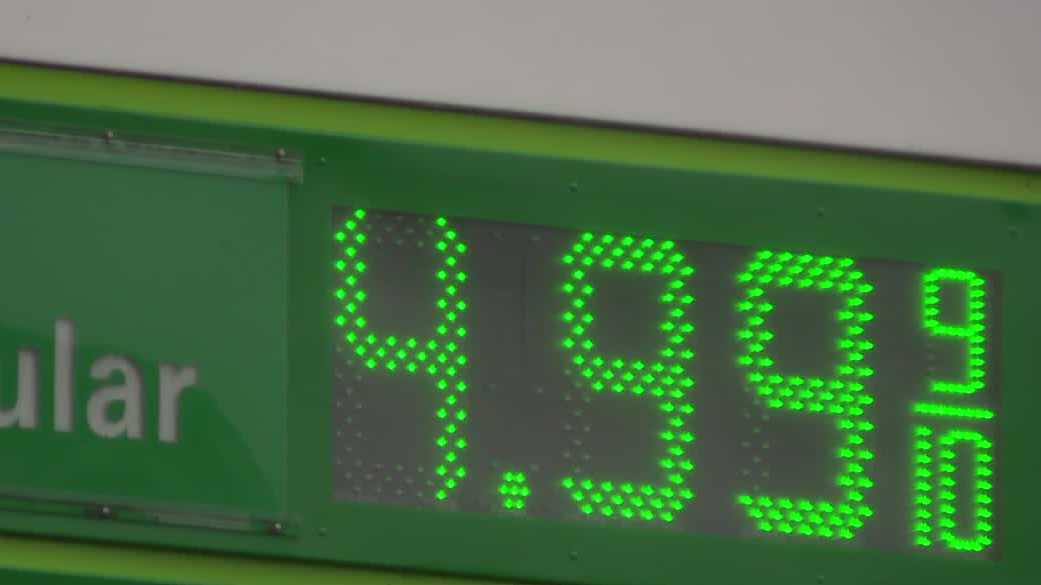
- Regular gas averages $4.47 per gallon, which is up $1.53 since the U.S. war with Iran started.
- The Federal Reserve raised interest rates for the first time since 2023 on Wednesday in an effort to contain price increases.
- Fed chair Kevin Warsh stated that the rate hike would not directly address fuel prices but aims to prevent broader inflation.
- The disruption in the Strait of Hormuz was sparked by the U.S. war with Iran in February, contributing to rising fuel prices.
- Russia's ongoing invasion of Ukraine has intensified long-range Ukrainian attacks on Russian oil facilities, further impacting oil prices.
- A report from NEADA warns that winter heating costs could rise by 31% for oil-heated homes and 8.7% overall.
Diesel prices have surged to a record-high of $6.43 per gallon as of Friday, driven by ongoing disruptions in the Strait of Hormuz and the Russia-Ukraine war. The conflict has intensified long-range Ukrainian attacks on Russian oil facilities, exacerbating supply chain issues.16
The nationwide average price for regular gas is now at $4.47, reflecting a $1.53 increase since the U.S. war with Iran began. Households relying on heating oil are particularly affected, facing potential winter bills over 31% higher than last year, according to a recent report.2
Even those not using oil for heating will see overall winter heating costs rise by more than 8.7% this year, as reported by the NEADA. Oil prices remain high, with Brent crude at around $103 per barrel and WTI crude at approximately $102 per barrel.78
The rise in diesel costs threatens to worsen inflation, which stood at 3.4% as of August, exceeding the Federal Reserve's target of 2%. In response, the Federal Reserve raised interest rates for the first time since 2023, although Chair Kevin Warsh noted that this would not directly address fuel price surges. He emphasized the goal of preventing price hikes from spreading throughout the economy, stating, "We cannot affect any individual price... But what we can do, and will do, is ensure that any change in relative prices don't broaden out."34
“The nationwide average for regular gas is $4.47, up $1.53 since the U.S. war with Iran started, and winter heating costs could rise 31% for oil-heated homes. Fed chair Kevin Warsh said the rate hike won't directly affect fuel prices but aims to prevent broader inflation.”

 abcnews.com
 6abc Philadelphia