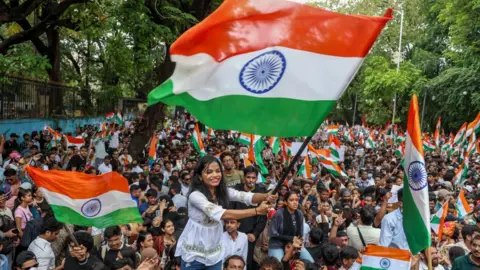
- Dharmendra Pradhan has resigned as India's education minister amid widespread protests led by Gen Z activists.
- Sakhi, a student activist, expressed that the protests showed they could make change happen, stating, "for the first time, it felt like we can make things happen through protests".
- Somaya Korde stated that Pradhan's resignation is not the end but just the beginning, emphasizing the need to address larger issues.
Dharmendra Pradhan's resignation as India's education minister marks a pivotal moment in ongoing protests sparked by a NEET exam scandal that forced nearly two million students to retake the test. The protests, which began in May, were fueled by a question paper leak and subsequent student suicides, with families holding the government accountable.1
Activists, including the founders of the protests, demanded not only Pradhan's resignation but also education reforms and compensation for bereaved families. The protests intensified after Delhi police forcibly removed hunger-striking educator Sonam Wangchuk, leading to a massive demonstration where tens of thousands marched on parliament.
The situation is exacerbated by rising youth unemployment, which climbed to 16.2% in June from 13.8% a year earlier, according to government data. A viral video of a protester being threatened by police further galvanized public sentiment, with one protester stating, "for the first time, it felt like we can make things happen through protests".
As Pradhan's resignation is celebrated, many activists assert that this is merely the beginning of a larger movement for accountability and reform in India's education system, emphasizing that the fight for justice continues.
“Somaya Korde emphasized that Pradhan's resignation is not the end but just the beginning, highlighting the need to address larger issues. Student activist Sakhi expressed optimism, stating, 'for the first time, it felt like we can make things happen through protests.'”
 BBC
BBC





